Loud Women at Rebellion and Beyond
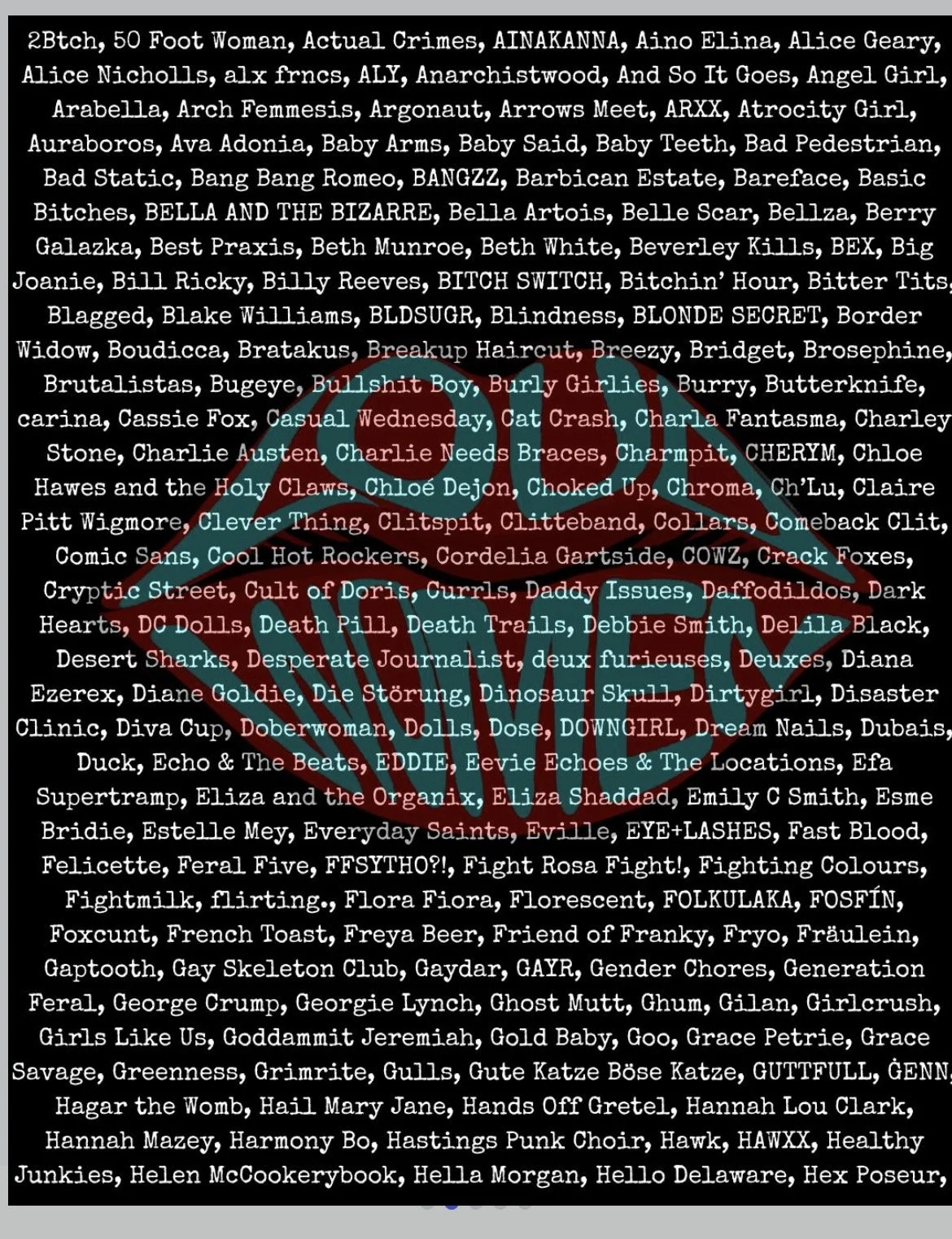
In the three years since the introduction of the LOUD WOMEN stage at the Rebellion Festivals, it has become a true highlight of the festival itself and a big part of my Sunday, because Cassie Fox has a true gift for curating bands that keeps on giving.
Two favorites that I was introduced to through the LOUD WOMEN stage, and that ISM readers will probably know, or should, are Las Fokin Biches from Mexico, who I wrote a feature on last year and who returned to Rebellion this year on a much bigger stage, and, of course, Las Vegas’ favorite family punk band, The Dollheads, who have appeared many times in ISM and have become Rebellion regulars.
But somewhere along the way, I realized LOUD WOMEN is much more than a stage at Rebellion. It’s a magazine, an organization, and a global community putting women, femme-fronted, and feminist bands where they belong: on more stages.
Cassie organizes shows around the world and fosters the creative endeavors of countless other artists. I wanted to know more, and I thought, who better to educate us about the LOUD WOMEN organization than Cassie herself? So I asked Cassie, and she gracefully agreed
So I will now shut the hell up, add photos, and let Cassie take it from here.
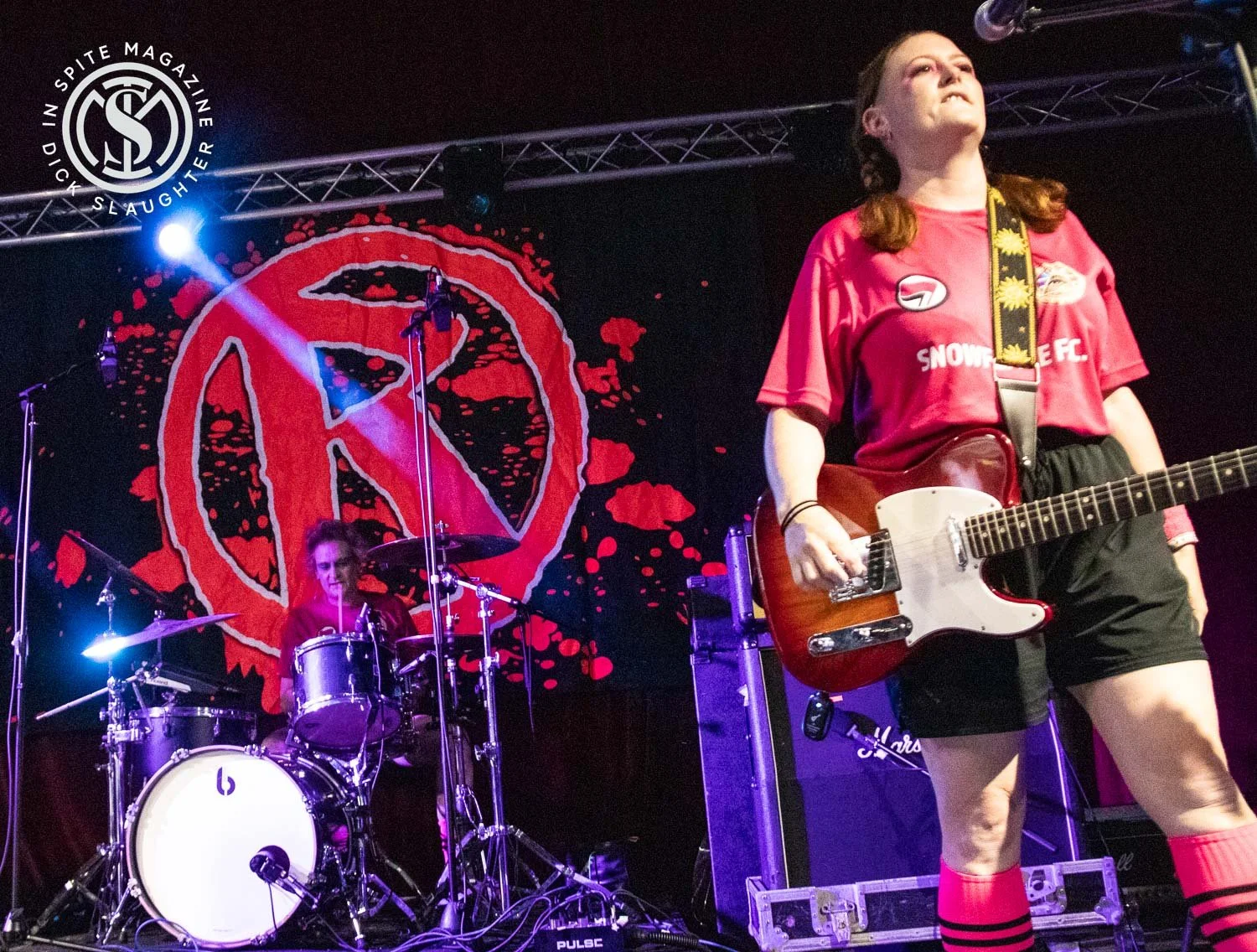
WOKERATI PARTY at Rebellion Festivals 2026—All Photos ©dickslaughter.com
If you first encountered LOUD WOMEN at Rebellion Festival, you could reasonably assume we are a stage: a very loud room somewhere inside the glorious labyrinth of Blackpool Winter Gardens, full of women and nonbinary people making an unholy racket while several thousand punks charge around trying to work out whether they have time for one more band before going for chips.
And I absolutely love our Rebellion stage. Since 2024, Rebellion has trusted LOUD WOMEN with its Sunday Introducing Stage, which means I get the frankly ridiculous privilege of filling an entire day at the UK’s biggest punk festival with artists I think people urgently need to see. This year we had Breakup Haircut, Gaydar, HAWXX, Hex Poseur, Lady Lazarus, Mona Freaka, THWACK!, Violet Violet, Whoremones, Witch Spit, Wokerati Party, and YAKKIE. That is a lot of excellent punk, and no male guitarists were harmed in the process.
The year before, we brought BEX, Goo, Anarchistwood, Quick Romance, The Twistettes, 50 Foot Woman, Bridget, COWZ, Blagged, WENCH!, and Las Fokin Biches to the stage. I could happily spend the rest of this article listing bands, which would certainly make my job easier, but the Rebellion stage is really just the most visible bit of something that has been growing, slightly alarmingly, for the past 11 years.
I started LOUD WOMEN in London in 2015 because I was fed up. I was playing in bands, going to gigs constantly and spending an awful lot of time being the only woman in a green room. I kept seeing festival posters made up almost entirely of men, gig bills made up almost entirely of men, and women’s bands routinely shoved on first as though we all had to be safely finished before the important music started. Whenever anybody questioned it, out came that immortal music-industry excuse: “We’d love to book more women, but there just aren’t enough bands.”
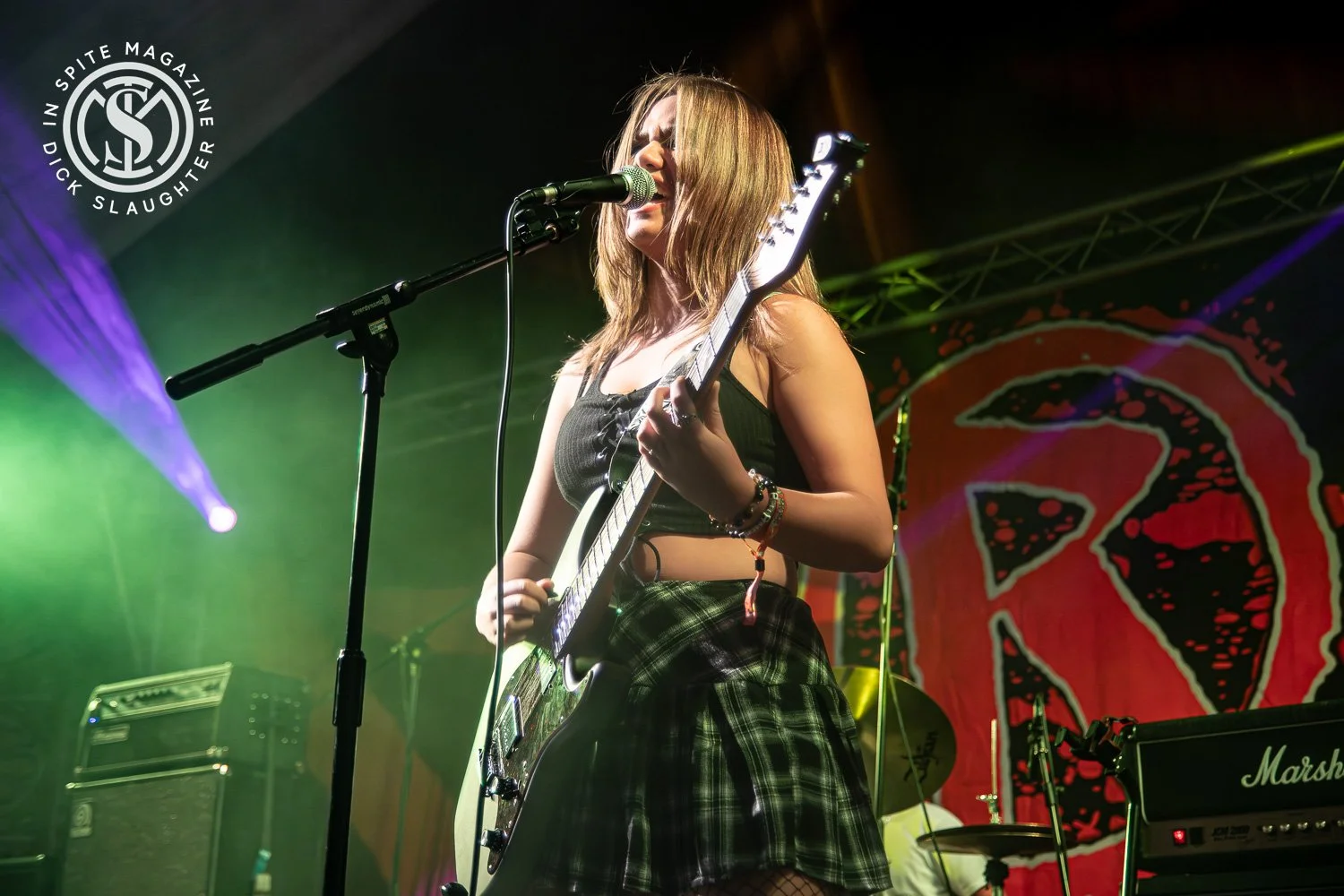
The Dollheads at Rebellion Festivals 2024
I knew perfectly well that wasn’t true, so I started booking them. What was meant to be a gig became another gig, and then another, and in 2016 we put on the first LOUD WOMEN Fest. Somewhere along the way, this little London gig night escaped from its cage and refused to come home.
Since then, we have put on hundreds of artists and taken LOUD WOMEN shows and festivals around the UK and to the US, Canada, Ireland, Germany, Australia, and Japan. I have now reached the point where somebody can email me about a feminist punk band on another continent, and there is a worrying chance I either know them, have booked them, have interviewed them, or know somebody who can lend them a bass amp. A surprisingly large part of international cultural exchange turns out to involve asking, “Does anyone in Toronto have a keytar?”
Alongside the gigs grew the LOUD WOMEN music magazine, because putting a band onstage is brilliant, but it is even more useful if somebody reviews them, photographs them, interviews them, plays them on the radio, and tells other people they exist. We now have radio shows, writers and photographers around the world, mentoring and artist-development projects, compilations, and a huge community of musicians, promoters, and assorted troublemakers sharing contacts, opportunities, expertise, instruments, spare bedrooms, and occasionally emergency drummers.
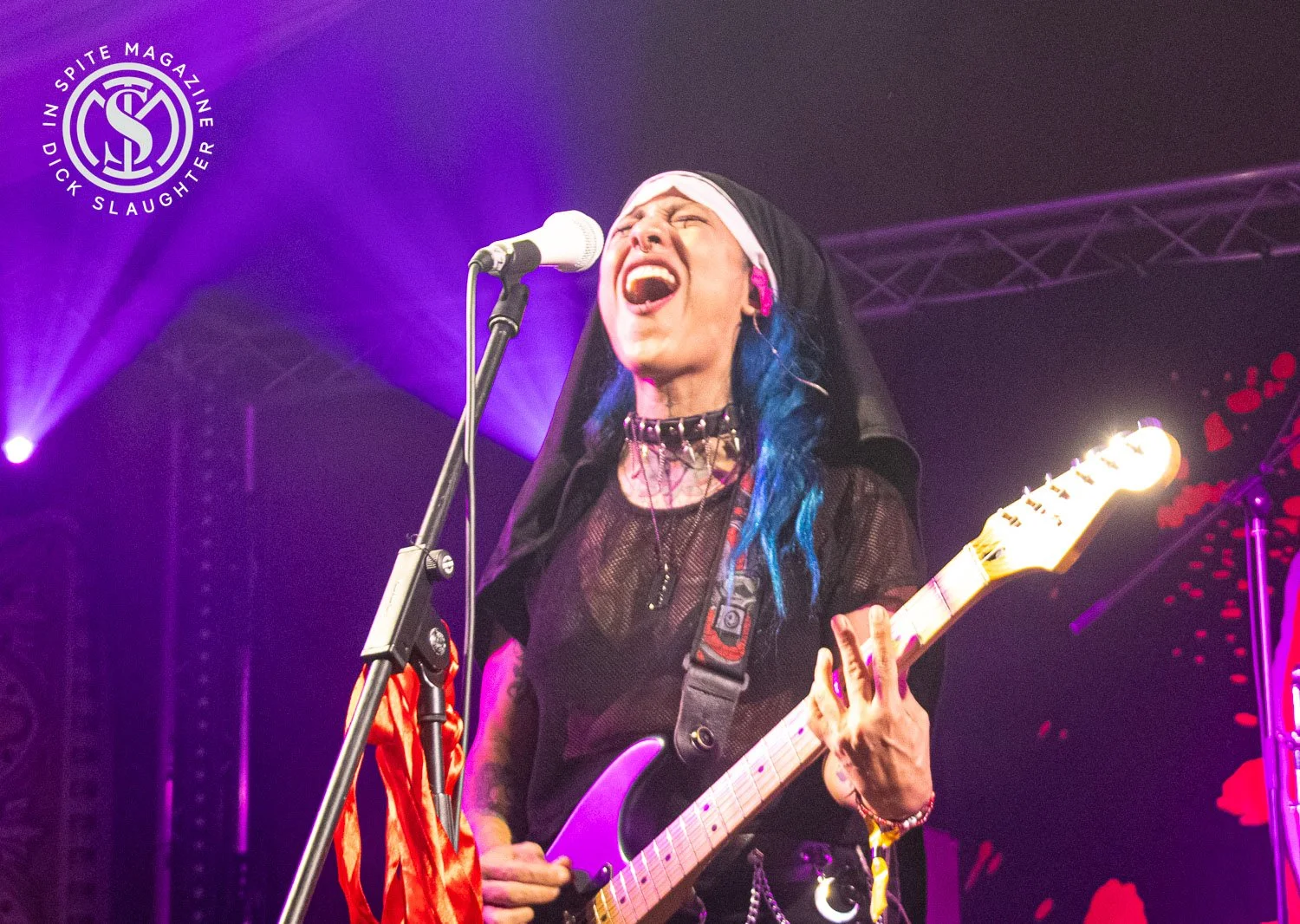
The organization itself is still resolutely DIY. LOUD WOMEN is a CIC, but anyone imagining a gleaming international headquarters full of highly paid feminist executives is going to be disappointed. It is much more likely to involve me at one in the morning with 47 browser tabs open, trying to work out why a band's flight has been cancelled while somebody else is finding a cymbal stand and another volunteer is designing a poster.
There is, of course, a serious point underneath all of this. Representation in music is not only about who is standing at the front of the stage holding the microphone. It is about who books the room, who runs sound, who takes the photographs, who writes the reviews, who gets played on the radio, who receives the funding, who gets invited into the meeting and who ultimately gets to decide what a successful musician is supposed to look and sound like.
If the same kind of people keep controlling all of those stages in the process, the same artists keep being seen as the obvious choices. LOUD WOMEN has always been about interfering with that system as early and as enthusiastically as possible.
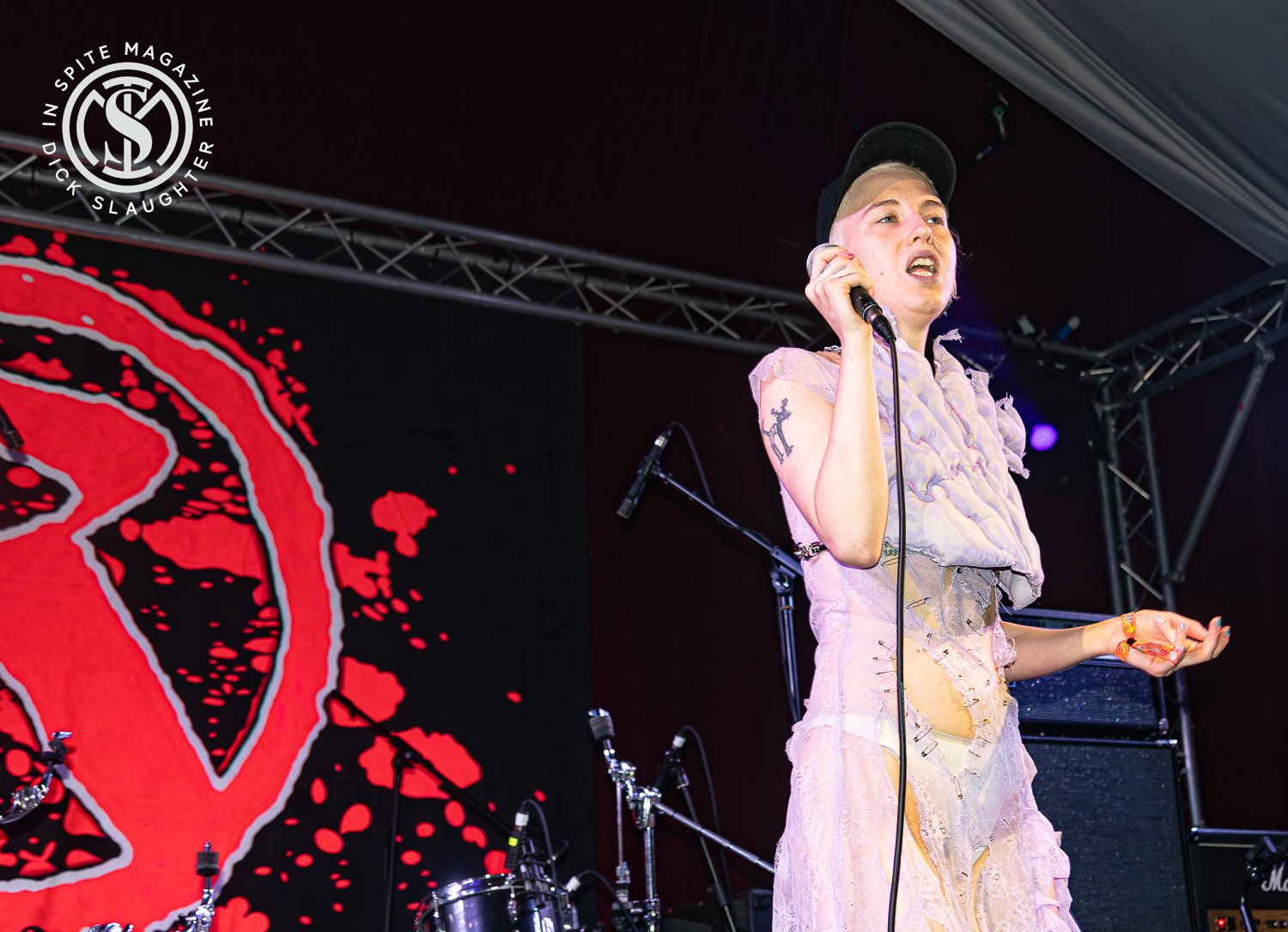
That is one reason the Rebellion partnership makes me so happy. The Introducing Stage is a genuine gateway, not a diversity holding pen. We have already watched artists come through the LOUD WOMEN stage and move onwards: The Dollheads travelled over from Las Vegas to play for us in 2024, then returned the following year to open the enormous Empress Ballroom, while Playing Alice and The Red Stains also graduated onto bigger Rebellion stages.
That progression matters enormously to me. I am not interested in building a lovely feminist enclosure where women can play to other women forever while everybody congratulates themselves on being inclusive. The whole point of LOUD WOMEN is there in our tagline: putting more women on more stages and turning up the volume. “More stages” is the important bit.
In fact, I actively want other promoters to nick bands from our lineups. Please do. That is literally the plan. Come to our stage, find the best band you have never heard of, book them for your festival, pay them properly, put them higher up your poster, and tell everyone you discovered them. I will know the truth, but I promise not to make a fuss.
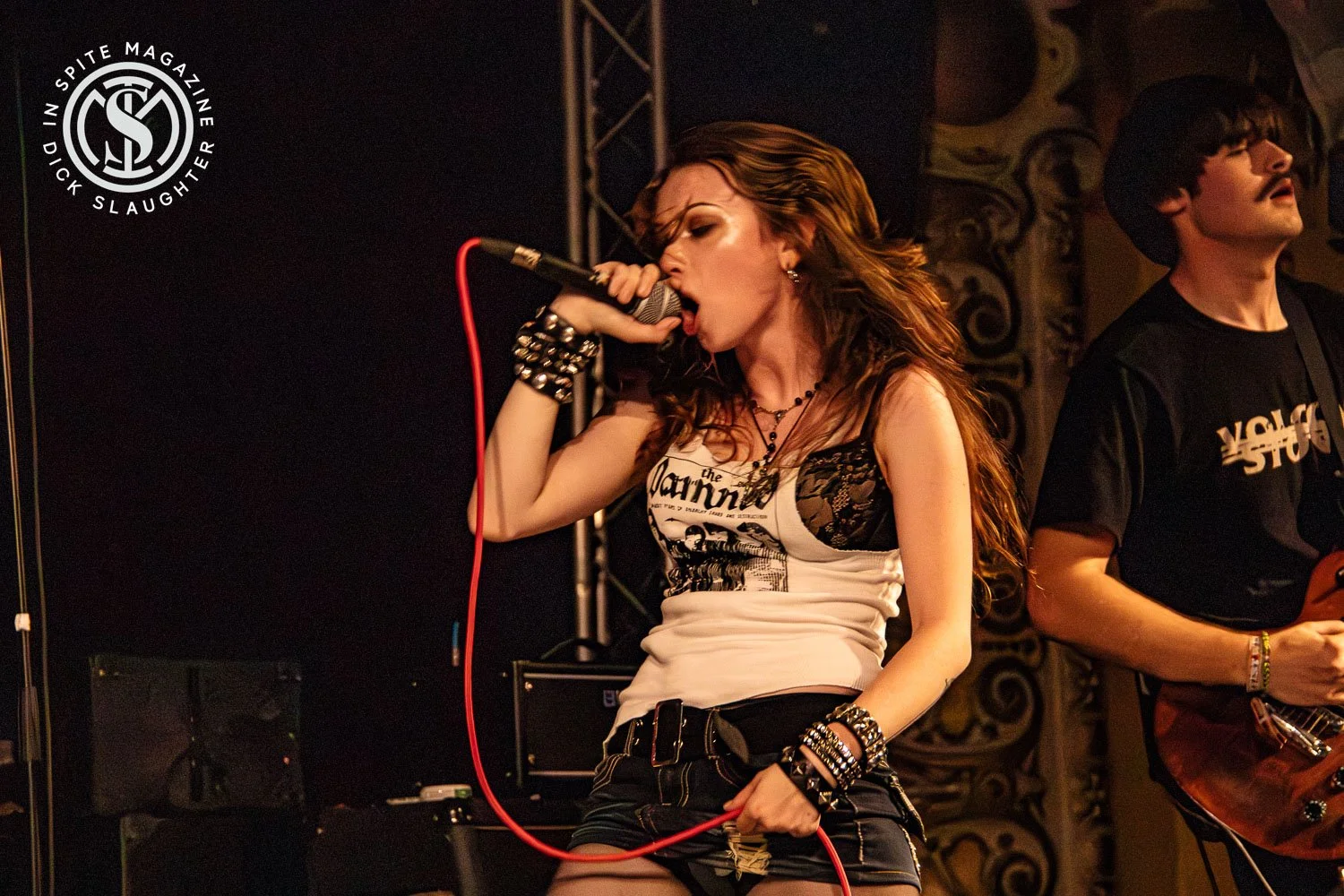
WHOREMONES at Rebellion Festivals 2026
My own band, I, Doris, grew out of this same world. We are a feminist punk band with a rotating cast of Dorisses, songs about bodies, aging, sexism, and whatever else is annoying us, and live shows that have at various points involved synchronized dancing, several guitarists, a fiddle, protest placards, and considerably more leopard print than is medically advisable. Being both a musician and a promoter means I know what it feels like from both sides: desperately wanting somebody to take a chance on your ridiculous band and then finding yourself in the position to take that chance on somebody else’s ridiculous band.
It has also reinforced something I feel very strongly about: there is no correct age to start doing this. The music industry is still weirdly obsessed with youth, particularly when it comes to women, as though somewhere around the age of 30 a trapdoor opens beneath the stage. I love seeing younger musicians coming through, but I am equally interested in the woman who has always wanted to play drums and finally starts at 45, or the person who forms their first punk band at 60. Nobody from Punk Headquarters is coming round to inspect your birth certificate.
That DIY philosophy has now followed me into another part of my life. I am a Music Business lecturer, and much of what I teach is essentially the useful stuff punk taught me: how to make things happen without waiting for somebody important to give you permission, how to build an audience, put on a gig, communicate what you are doing, understand the business around your music, create your own media, and find your people.
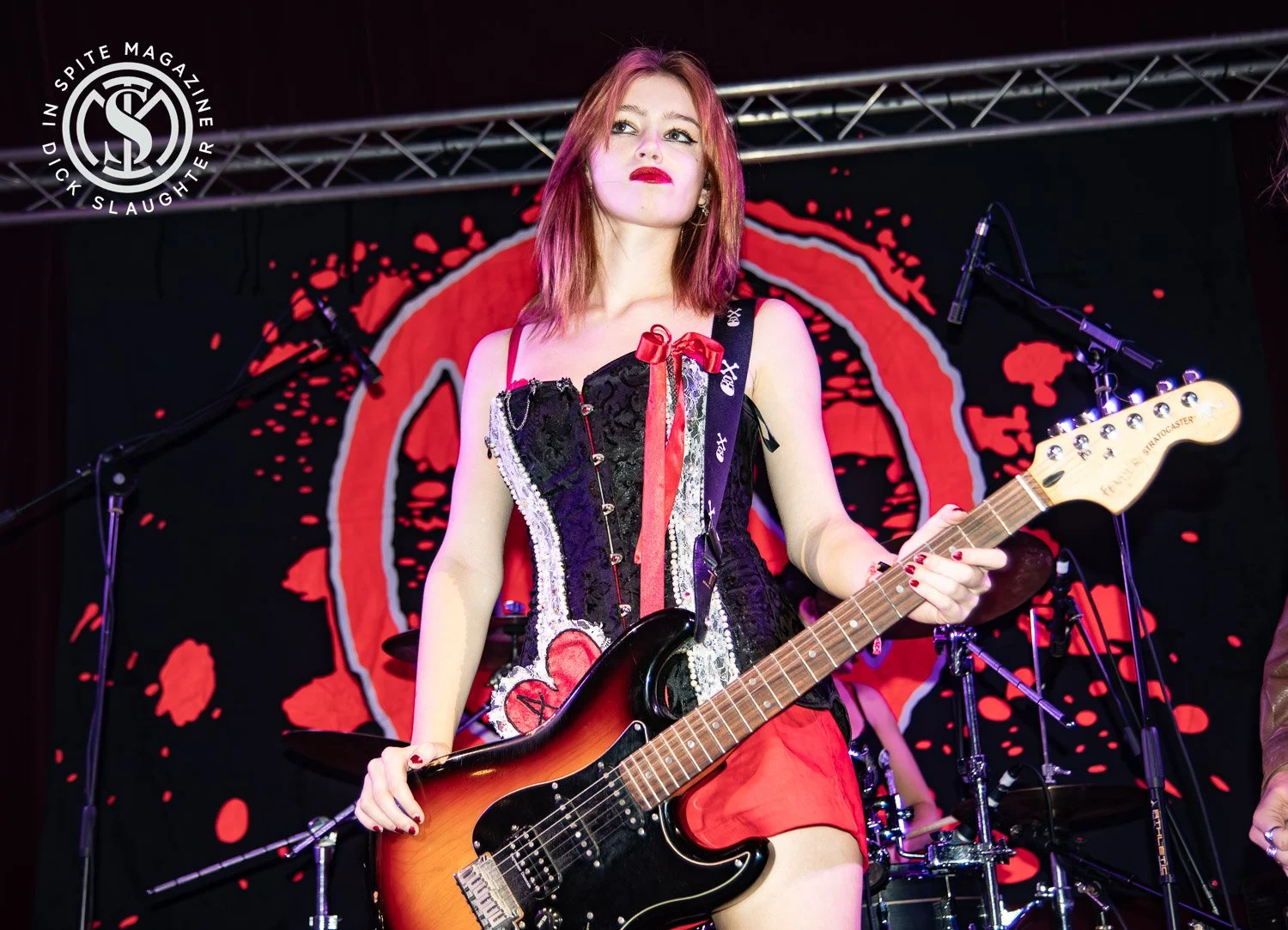
SNM 2024
To me, DIY does not mean doing absolutely everything yourself until you collapse under a pile of tote bags and unpaid invoices. The good version of DIY means learning how things work, sharing what you know, building networks, and recognizing that you already have the ability to start something. You do not need a mysterious Important Music Person to descend from a cloud carrying a record contract. Get on with it.
That community aspect is probably the thing I am proudest of with LOUD WOMEN. People come to a gig alone, start talking to someone and end up joining a band. Somebody volunteers on the door, then joins Team LOUD WOMEN. A writer publishes their first review, a photographer shoots their first festival, musicians from different countries meet backstage and end up touring together. Every so often I manage to look away from the spreadsheets long enough to realise that people who would never otherwise have met are now creating things together because of this network we have all built.
We are proudly intersectional and trans-inclusive because feminism that only works for one particular kind of woman is not much use to me. Punk has always attracted people who have been told they are too loud, too queer, too angry, too old, too weird, too political or simply taking up rather more space than somebody would prefer. Excellent. They are usually the people I want to hear from.
Sometimes I am still asked whether women-focused organizations are really necessary. Surely things are equal now? Surely women are everywhere in music? I would suggest looking at a few festival posters before reaching a verdict.
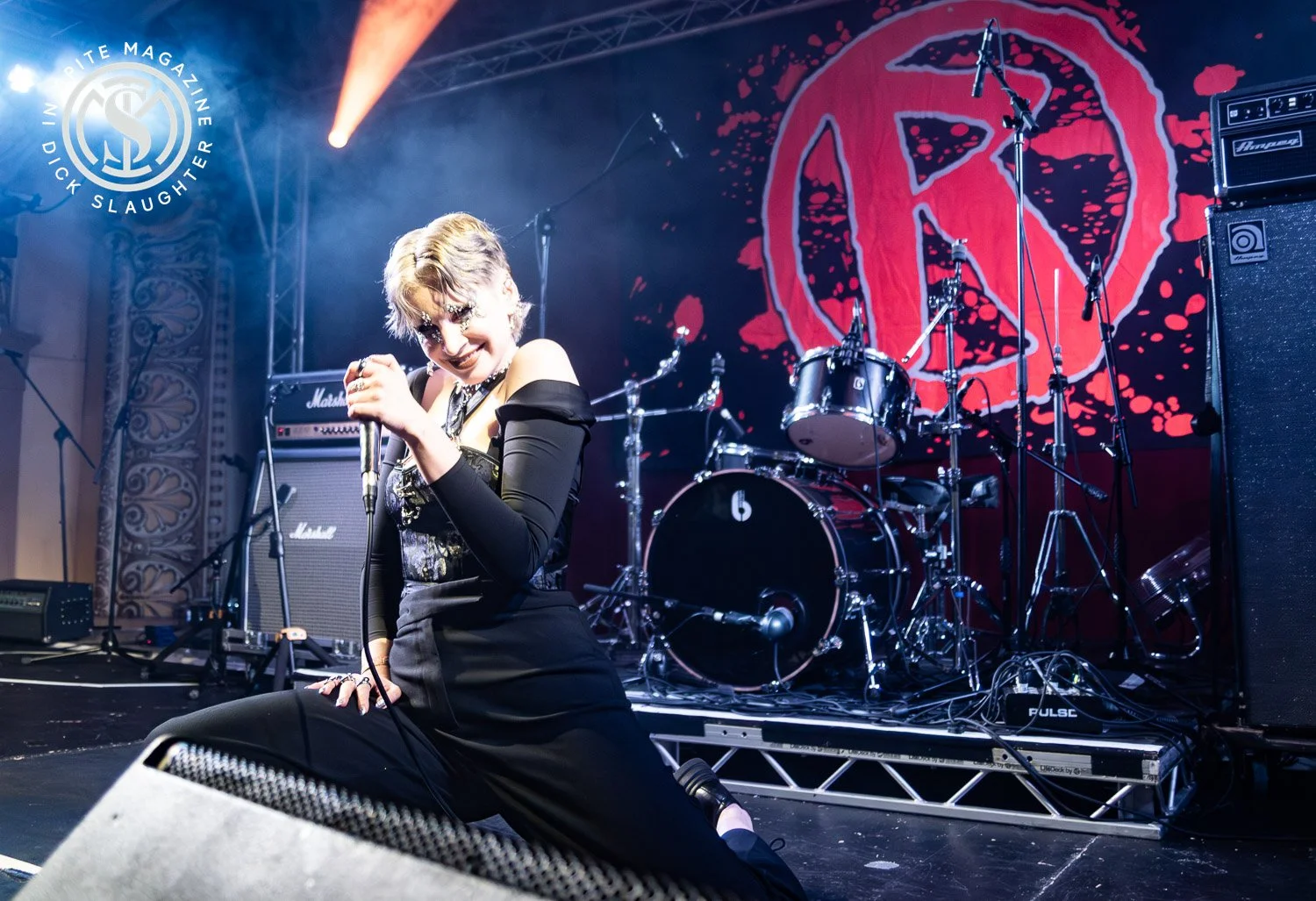
NXKXTA 2024
Things are certainly better than they were, and I am delighted about that. But one of the most persistent arguments is still the mythical “pipeline”: festival bookers wondering where all the female headliners are, as though headliners emerge fully formed from the sea carrying a Marshall stack. Artists become headliners because somebody gives them the 50-capacity gig, then the 200-capacity room, then the support slot, the festival stage, the better slot the following year, and eventually the big stage. Somebody has to make that first booking.
That is the part of the job I am interested in. I do not especially need history to remember LOUD WOMEN as an important organization; I would much rather it remember hundreds of brilliant artists who got an extra push at the right moment and thousands of people who realized they were perfectly entitled to take up space in music.
If one day LOUD WOMEN genuinely becomes unnecessary because festival bills, stages, and the music industry finally represent all the people making the music, brilliant. I will declare victory, switch off my laptop, and have an extremely long lie down. I suspect I have a few more spreadsheets to get through first.
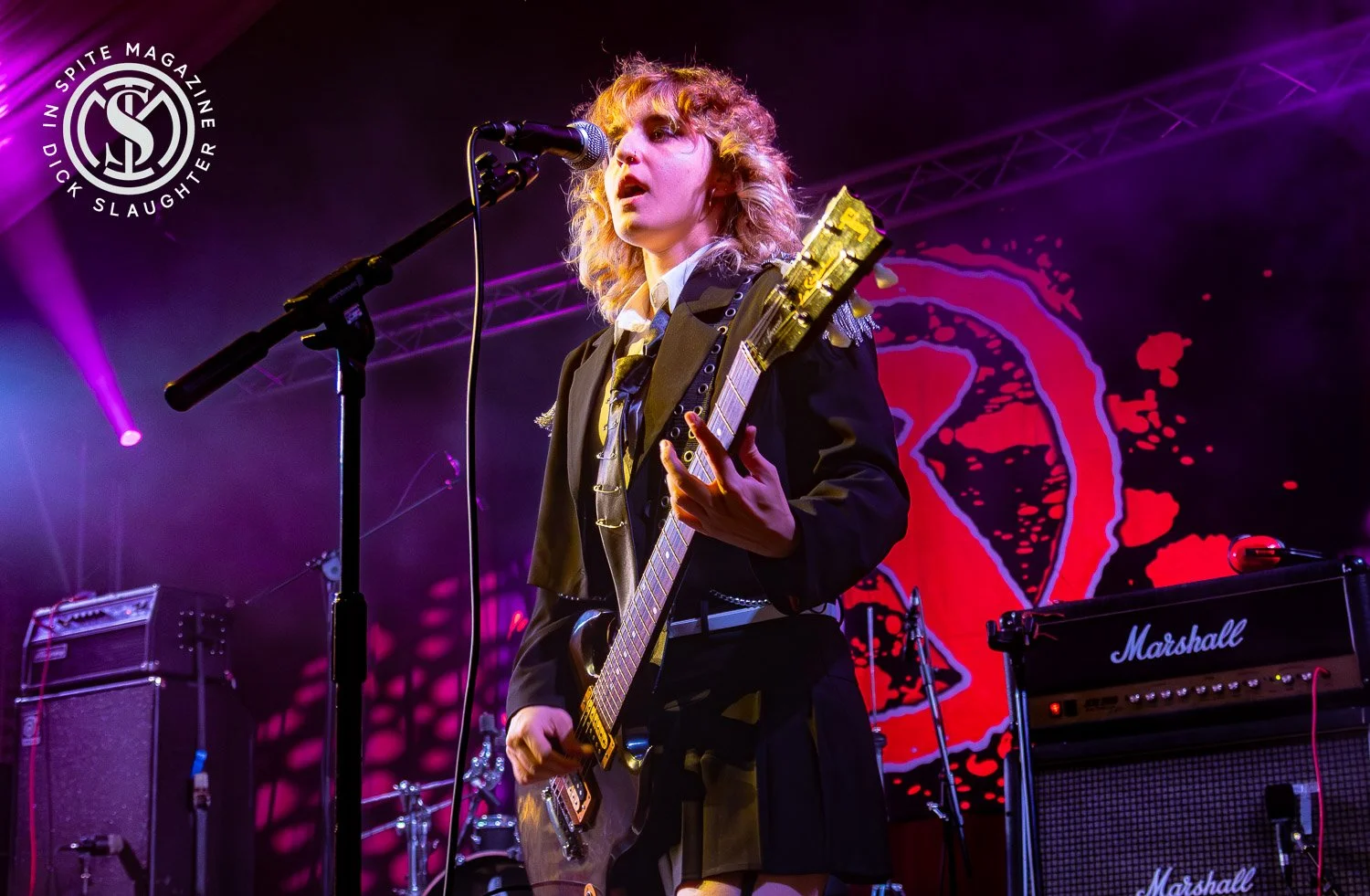
HİPERSONA 2024
So if you discover LOUD WOMEN at Rebellion, come in. Stay for the band you have never heard of. Buy their merch if you can, tell somebody they were brilliant, follow them, book them, photograph them, write about them, play them on your radio show, and invite them to your town. Maybe start a band yourself while you are at it.
The stage in Blackpool is just one part of what LOUD WOMEN is. The important bit is the enormous network of people underneath it, around it and increasingly standing on top of it, helping one another climb up and making sure there is room for whoever comes next.
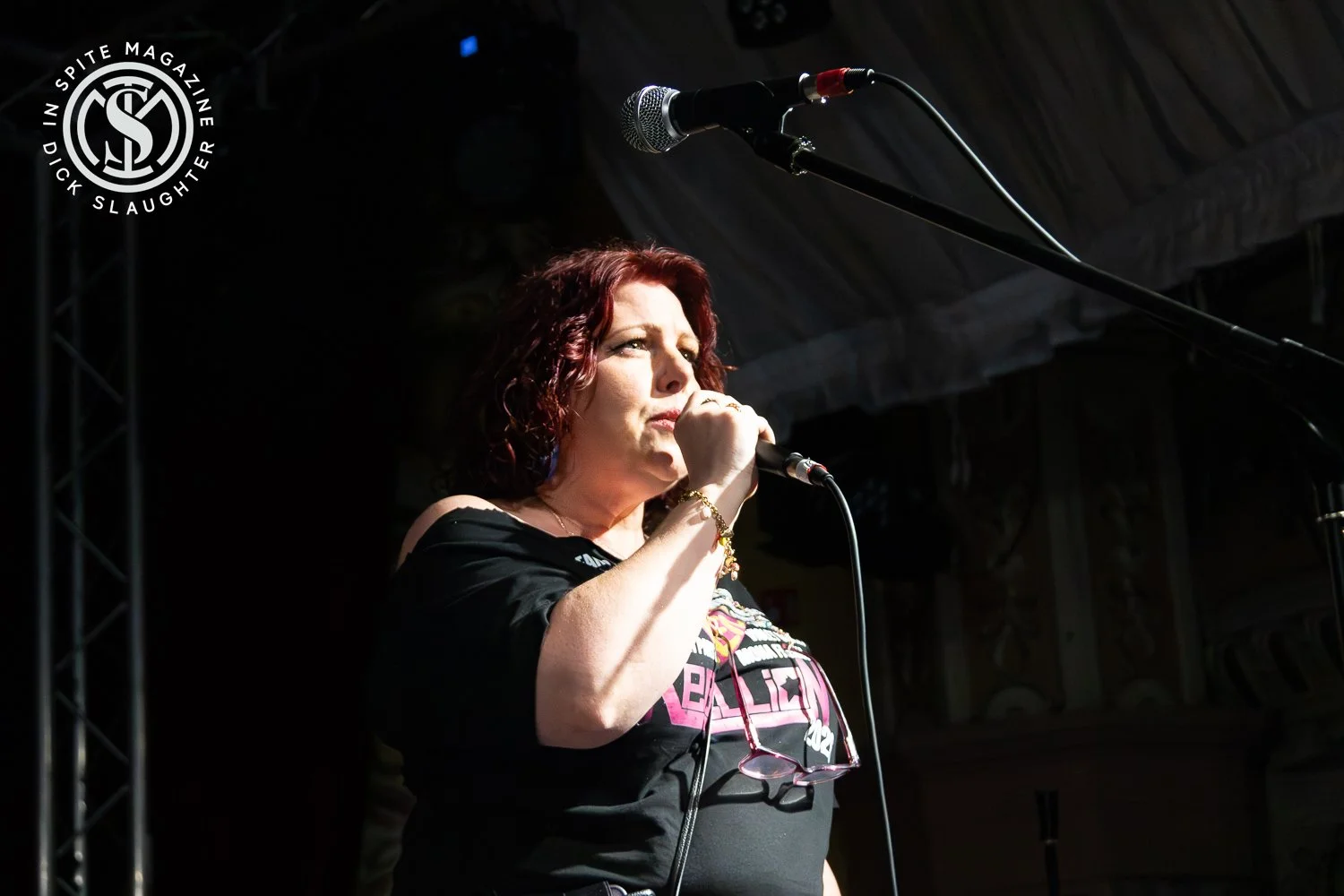
Casandra Fox 2026
Preferably while making a tremendous amount of noise.
loudwomen.org
In Spite Magazine (ISM) is a volunteer run, not for profit journalism and artists' cooperative built by people who love music, art, photography, and independent culture.