
A Brief History of a Word That Refused to Heel
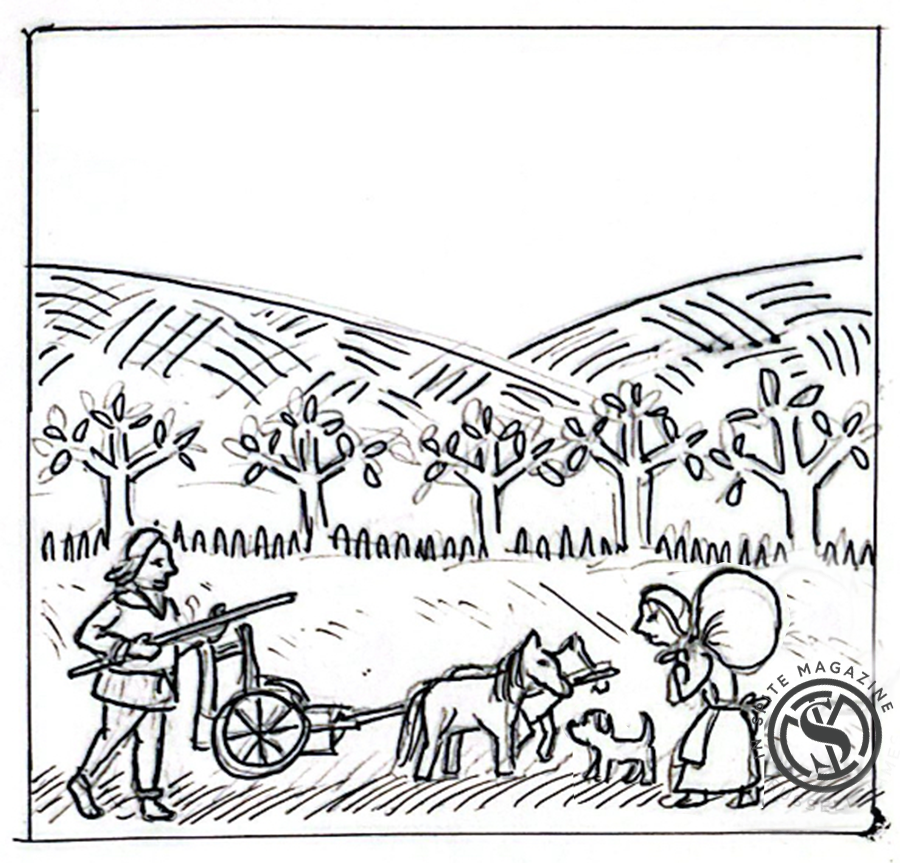
Pre 1400
The beginnings: Literal Dog (Old English, pre-1400s)
He: “What a fayre bicce. Hath she taken much vermin this morrow?”
She: “Yeah, that she did.”
He: “For a stout bicce she be nimble than, is she not?”
She: “Aye…she is with puppies…a litter mayhap as many seven in number may be upon us if God grant favor”
He: “Ah! But then will come her sloth…”
She: “If thou meanest she must lie and give feed unto her brood…”
He: “In sooth, in sooth.”
Once upon a time, “bitch” was just a dog. A female dog, specifically. From Old English bicce, possibly from Old Norse bikkjuna. Scholars can’t even agree where it came from.
Translation: men arguing about origins while women are still being left out of the conversation. At this stage, “bitch” is zoology. Neutral, harmless, furry.
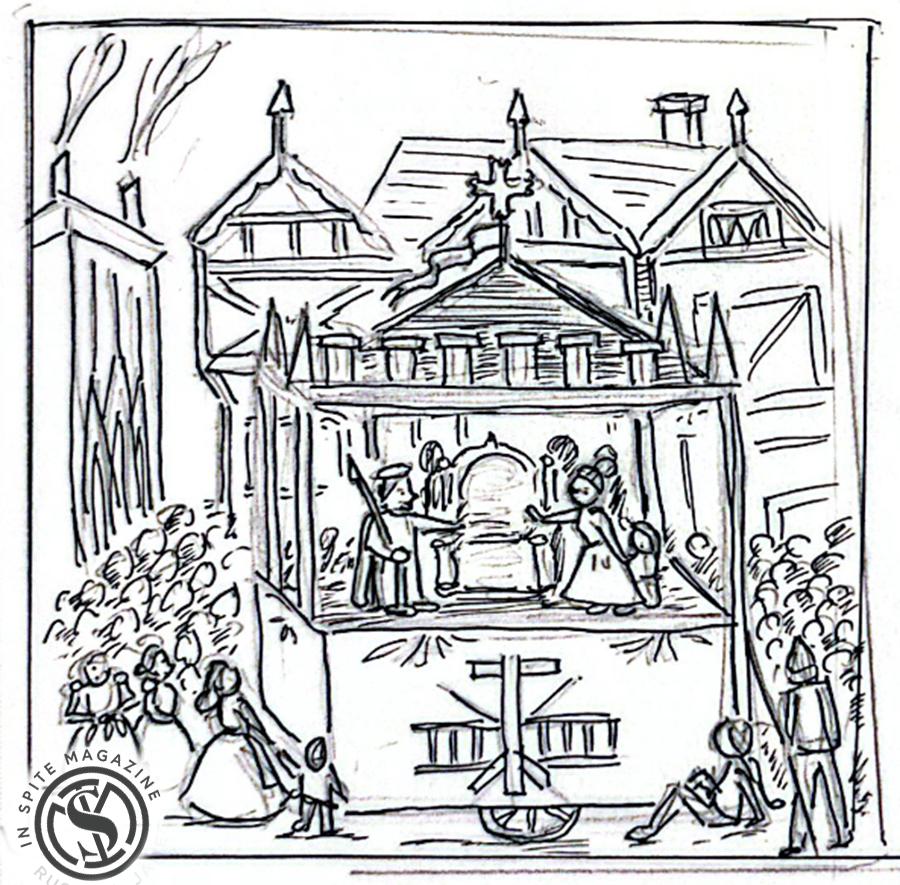
Post 1400
Enter the Patriarchy: Mediocre White Men Have Something to Say…
In the Chester Mystery Plays, when a mother refuses to hand over her son during the Slaughter of the Innocents, she snaps back:
“Whom callest thou ‘slut’, scabbed bitch?”
Now “bitch” means loud woman, disobedient, resistant, a woman who will not surrender her child to murderous knights in biblical pageants. The word has now pivoted from dog to insult for women.
The female-aligned insult is weaponized.
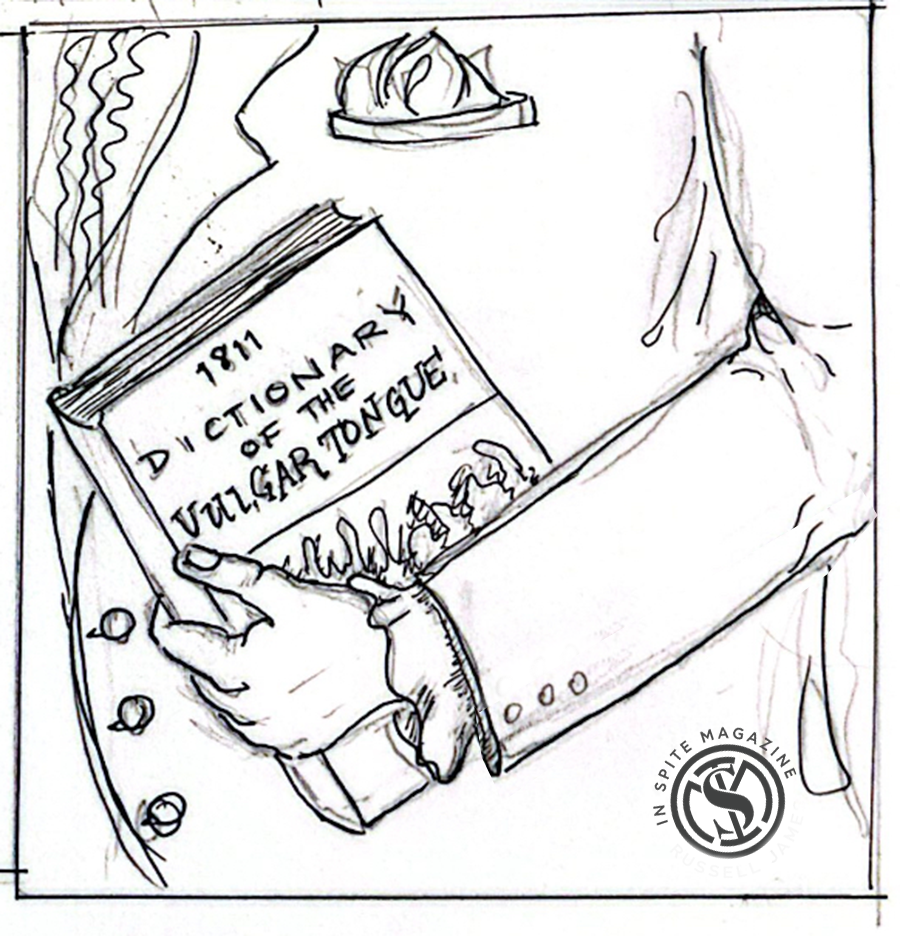
1811 The Dictionary of the Vulgar Tongue
A: “I see you have Grose’s Dictionary of the Vulgar Tongue!”
B: “I have. A most industrious catalog of our nation’s vices.”
A: “I noted something curious, that to name a woman ‘bitch’ is reckoned more provoking than to call her ‘whore.’”
B: “Indeed. For a ‘whore,’ sir, may yet be forgiven provided she be useful. But a ‘bitch’?”
A: “Ah. That is another creature altogether.”
B: “The greater offense is not that she sins…but that she will not submit.”
A: “Precisely. Desire may be purchased. Defiance cannot.”
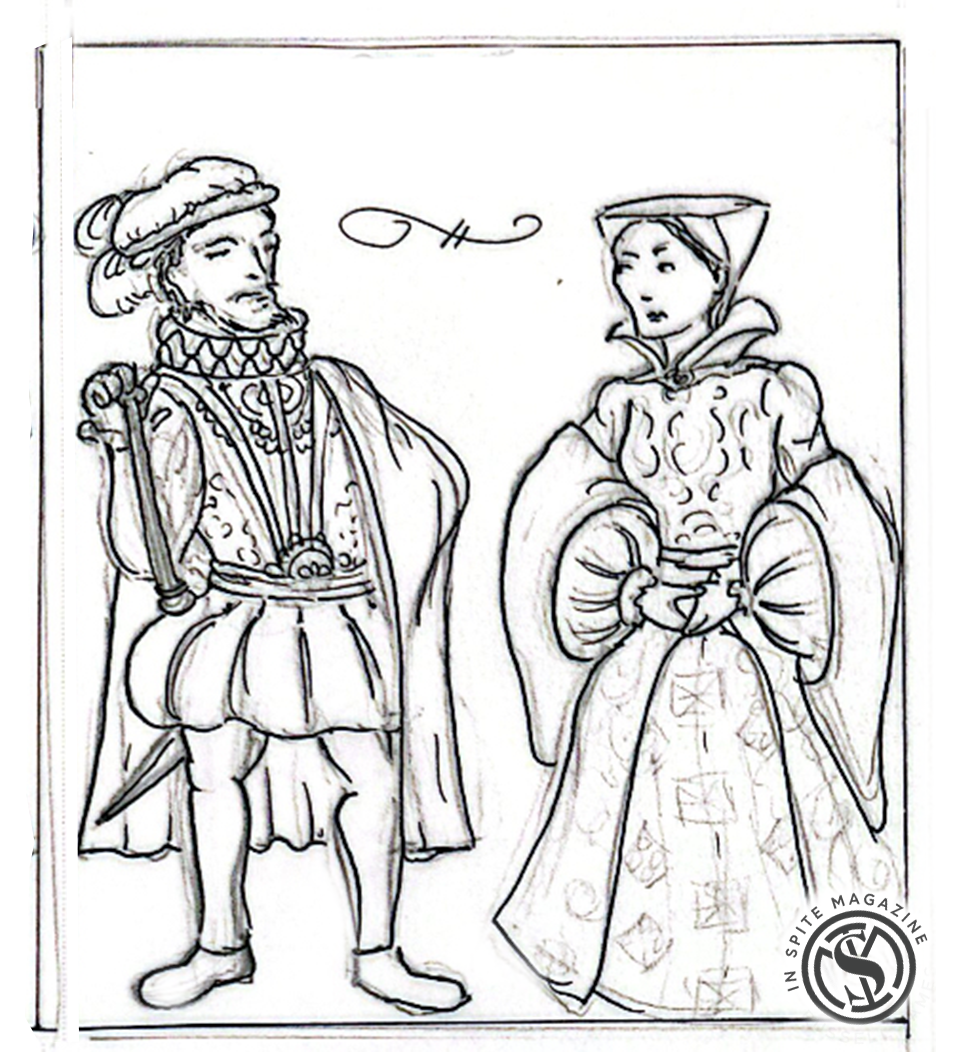
1800s-1900s
He: Was called a bitch today.
She: How dreadful. Did they mean you were hysterical, venomous, tyrannical?
He: No. They implied that I folded. That I lacked spine.
She: Ah. So you were insufficient.
He: Precisely. And you?
She: A bitch as well. I expressed an opinion. Without apology. Apparently that constitutes aggression.
He: Remarkable elasticity, the word.
She: Elastic? No. Strategic. Power must be distributed correctly and if it isn’t we are reclassified …not as dogs. Dogs may be loyal. As “Bitches” which implies rebellion.
He: The word survives because it punishes women for excess and men for deficiency. What do we do with that?
She: I intend to keep my excess.
He: And I?
She: You might consider acquiring some.
1930s Bitch as a Complaint
By the 1930s, “to bitch” meant to complain. Which is fascinating. Because when women articulate dissatisfaction with inequality, they are “bitching.” Middle English even had bicched meaning “cursed” or “bad.” Chaucer wrote of “bicched bones”, unlucky dice.
Imagine being so powerful, so threatening that your name becomes shorthand for bad luck.
1960s-70s The Redo
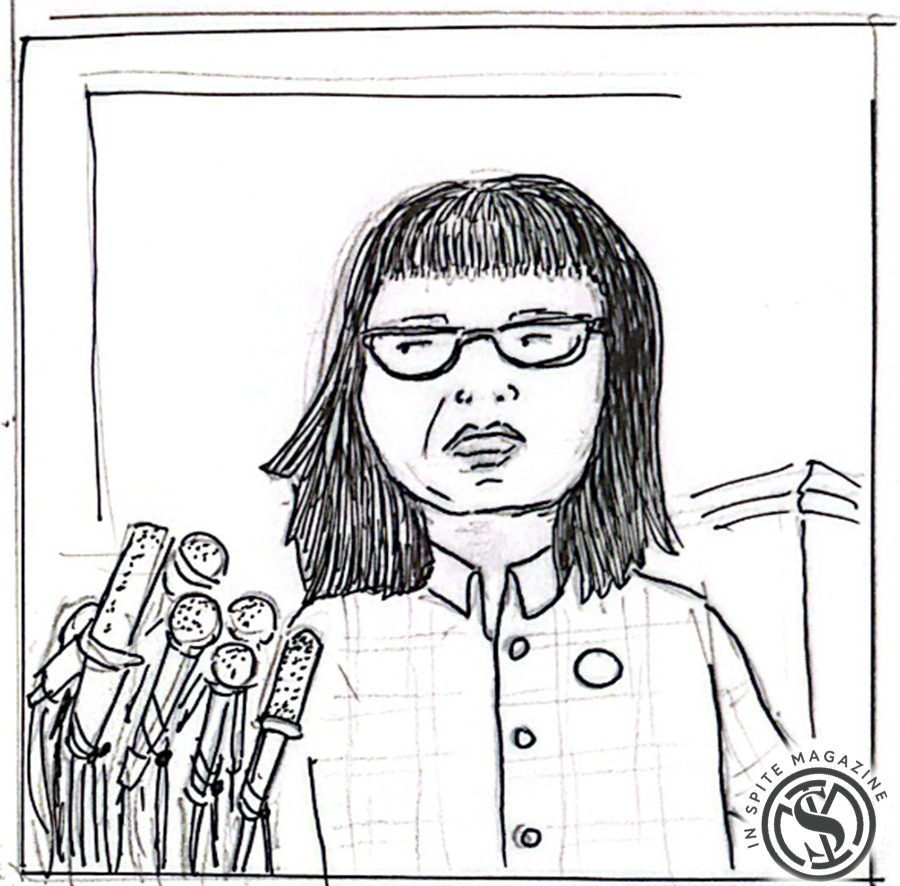
In the 1960s–70s Second-wave Feminism welcomes in Jo Freeman and her work, The Bitch Manifesto (1968).
Freeman quotes Simone de Beauvoir, “Man is defined as a human being and woman is defined as a female.” Boom.
The insult gets flipped. Being a bitch becomes a conscious act. It means you understand yourself. You refuse vicarious humanity through a man. It means you behave like a full human, and accept the label patriarchy hurls at you for it. “Bitch is Beautiful.”
THIS IS NOT A REBRAND, IT’S A HOSTILE TAKEOVER.
1980s-Now: Pop Culture Appropriation & Modern usage
Suddenly “bitchin’” means rad. Excellent. Sick. Marty McFly throws it around in Back to the Future.
The word that once meant “subordinate female” now means “awesome.”
Meanwhile, in African-American vernacular and queer communities, the term morphs again, sometimes contemptuous, or alternately playful. Language travels. It mutates. It cannot be contained.
Despite reclamation, despite ironic usage, despite “bitchin’” as suburban slang for excellence, the insult’s skeletal structure remains intact. It still hinges on the idea that femininity is degradable and that to assign it to someone may be to diminish them.
Which makes its partial reclamation both radical and unstable.
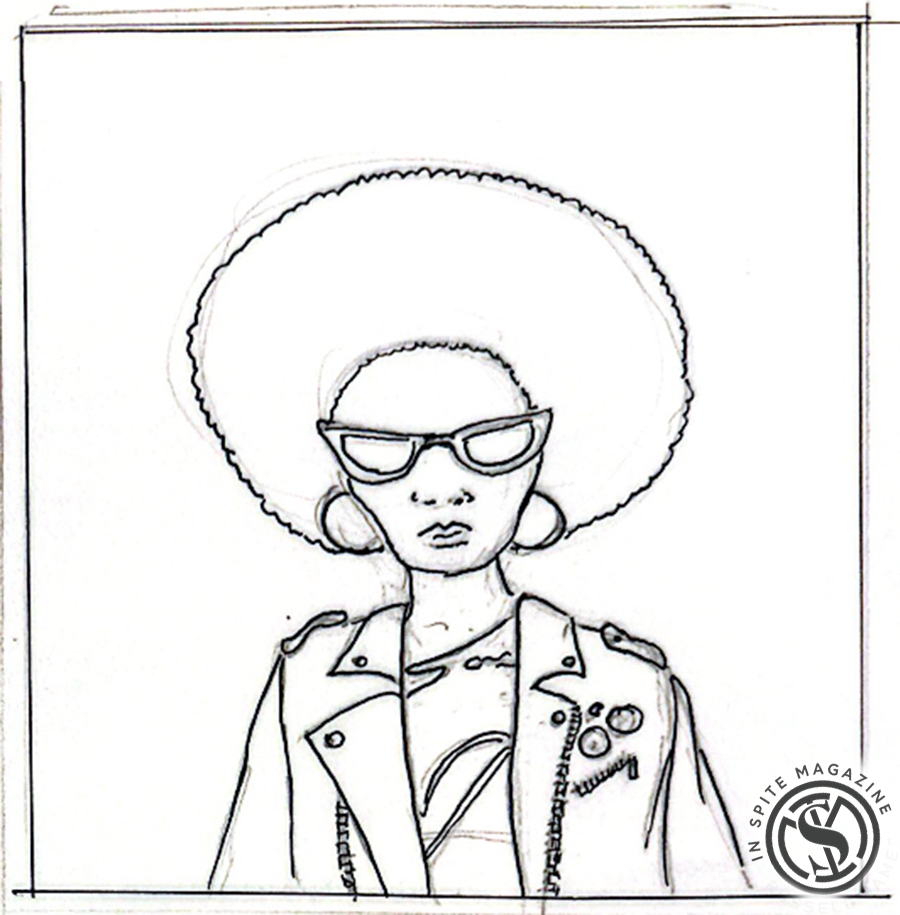
Conclusion: Bitch began as a term for an animal. It became a leash.
An attempt to make a women heel. To communicate to them that they were valued most, only when obedient. Along the way, women leaned into something crucial: Dogs can bite.
The insult is proof of impact.
In a patriarchal society any woman insisting on her full humanity can be labeled a bitch. Don’t heel.

Bitch, Please is an ongoing series that is NOT just about being called a bitch. It is a cultural analysis explored through personal narratives.
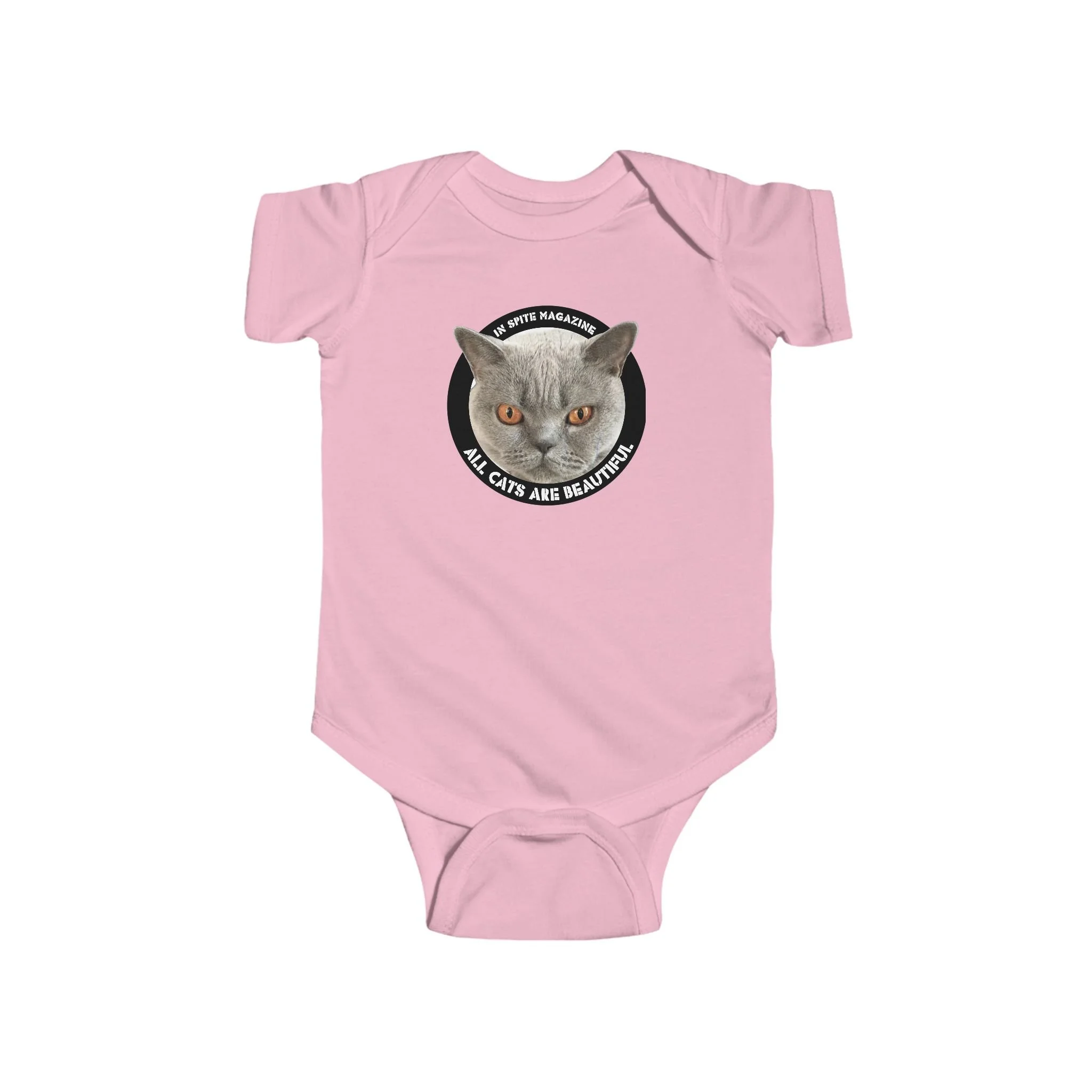
Wrap your little tyke in comfort and mild controversy with this Bubble Kim onesie. And yes, it comes in black.
Bring it to your conservative sister’s baby shower as a gift and say absolutely nothing about what it means.