
The Replacements: It’s Been a Decade Since They Last Played Together. Why Can’t We Let Them Go?
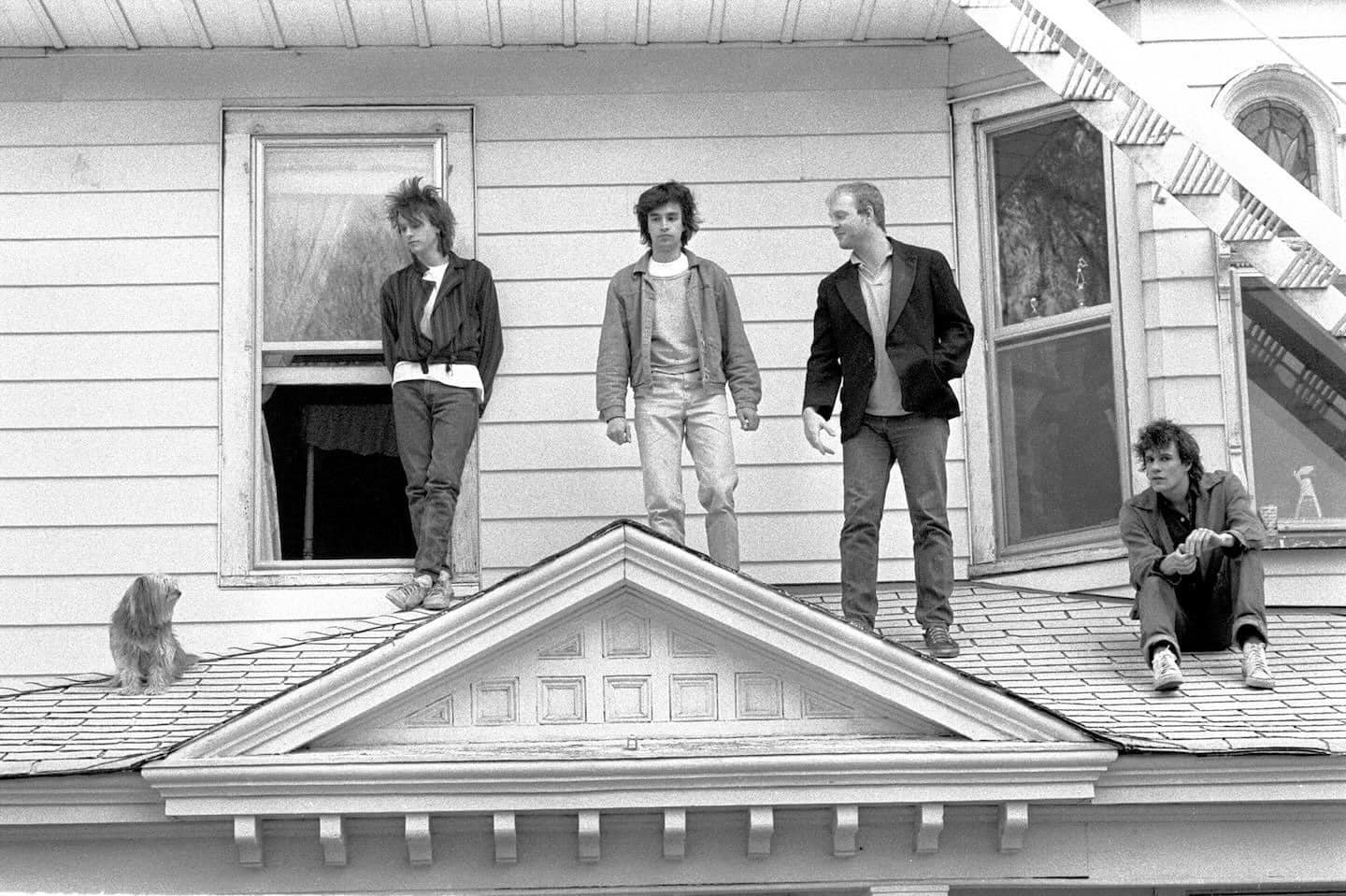
Photo: Daniel Corrigan at the Stinson family home in Minneapolis.
The Replacements (aka the ‘Mats) could’ve easily been forgotten to time. With no hit records, no music videos fit for MTV, and arguably more of their time spent trying to annoy their audiences than please them, The Replacements actually should’ve been forgotten - maybe even reviled.
But what separates The Replacements from the countless forgotten bands out there is that if you’ve ever laid eyes on them, odds are, you can’t forget them - they’ll live in your mind forever.
When you think of them, you vividly picture the wild, messy hair; Gibson Les Paul Juniors; flannel shirts and 501s; and tired, unsatisfied eyes gazing from American Midwestern rooftops. You can smell the cigarettes and the beer and feel their hunger for something more - their internal struggle for a way out of a predetermined fate of mundane janitorial work, but with no tools to truly articulate their desire.
They know music is their only way to escape, and yet they seem determined to blow it: one more chance to get it all wrong. Still, you can’t forget The Replacements, even if you try. That’s why the band is more popular today than ever.
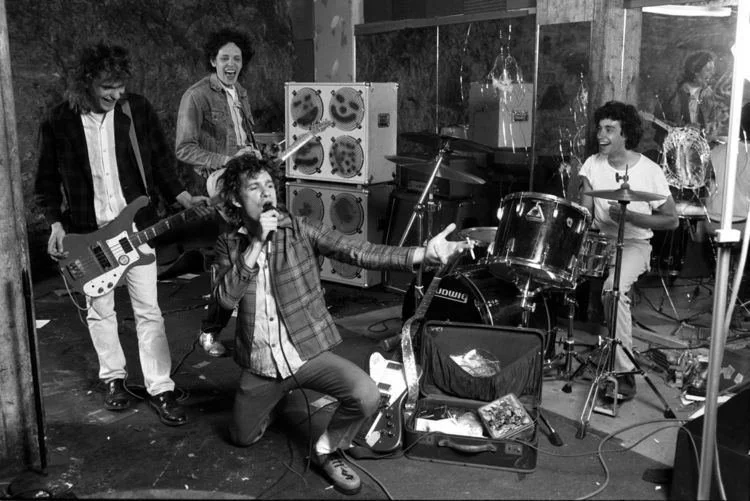
Photo: Daniel Corrigan (credited in select Twin/Tone-era archives)
2026 is already shaping up to be a Replacements-heavy year. The band is making headlines thanks to stars like Finn Wolfhard championing them in the press, a mention in Netflix's Goliath Stranger Things, the anniversary reissue of their seminal 1984 record “Let It Be," and even rising rock star MJ Lenderman sporting a “Let It Be” t-shirt in his GQ profile this year are telling signs of a cultural resurgence.
Much like the underdog story of the band itself, it took years of hard work and dedication to reach this point in molding their legacy. They officially broke up in 1991 and haven’t played together since their brief reunion from 2013 to 2015, but the last decade has seen a major shift in the way The Replacements are regarded.
Each generation that becomes aware of them desperately wants to get to the bottom of The Replacements, from people like myself, a 24-year-old woman, to Grammy Award-winning journalist and author Bob Mehr, a crucial figure in shaping The Replacements legacy.
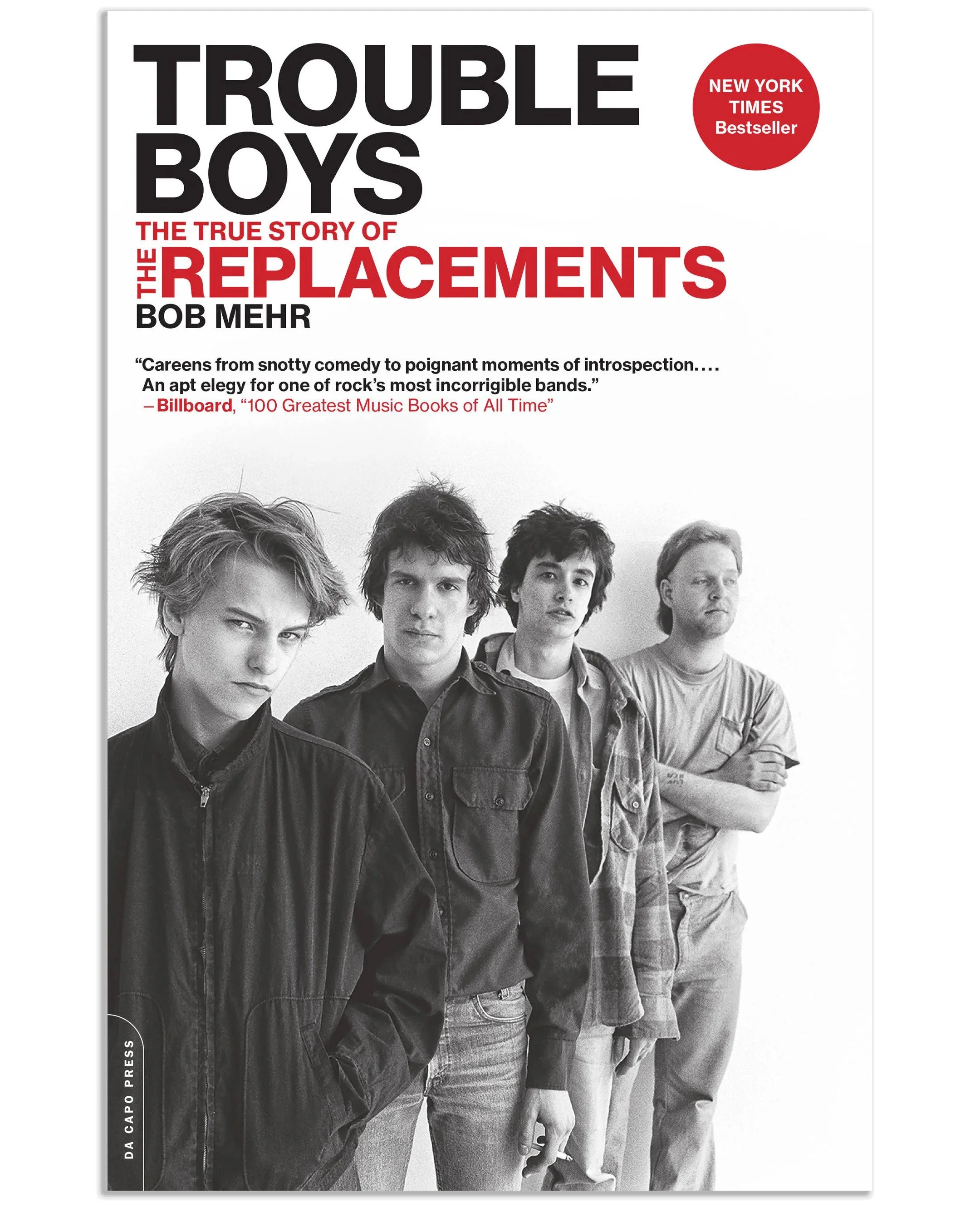
Having celebrated its tenth anniversary this March, Mehr’s rock biography masterpiece “Trouble Boys: The True Story of The Replacements” was the answer to the many question marks that punctuate the band’s story.
In 2026, it continues to introduce folks to the wild world of The Replacements.
Mehr first became aware of The Replacements in junior high through their infamous Saturday Night Live performance in 1986 and rediscovered them as a teenager. His initial infatuation would ultimately spark a lifelong love for the group: “There are a few casual fans, but most people who love The Replacements love them dearly, profoundly, and passionately,” Mehr told me.
During his subsequent career as a music journalist, Mehr had contact with members of the band and found that the more he knew of their story, the less he understood. In true Replacements-fan form, he became determined to figure them out, leading him to the decade of research, reporting, and interviews that became the indelible “Trouble Boys.”
“I think there's a kind of romance attached to them because they were the band that, as everyone says, could have been big stars but didn't end up being,” said Mehr. “And the truth is, because they never had a kind of breakout song or one-hit-wonder kind of thing that got them on the charts, they're not frozen or fixed to any time period.”
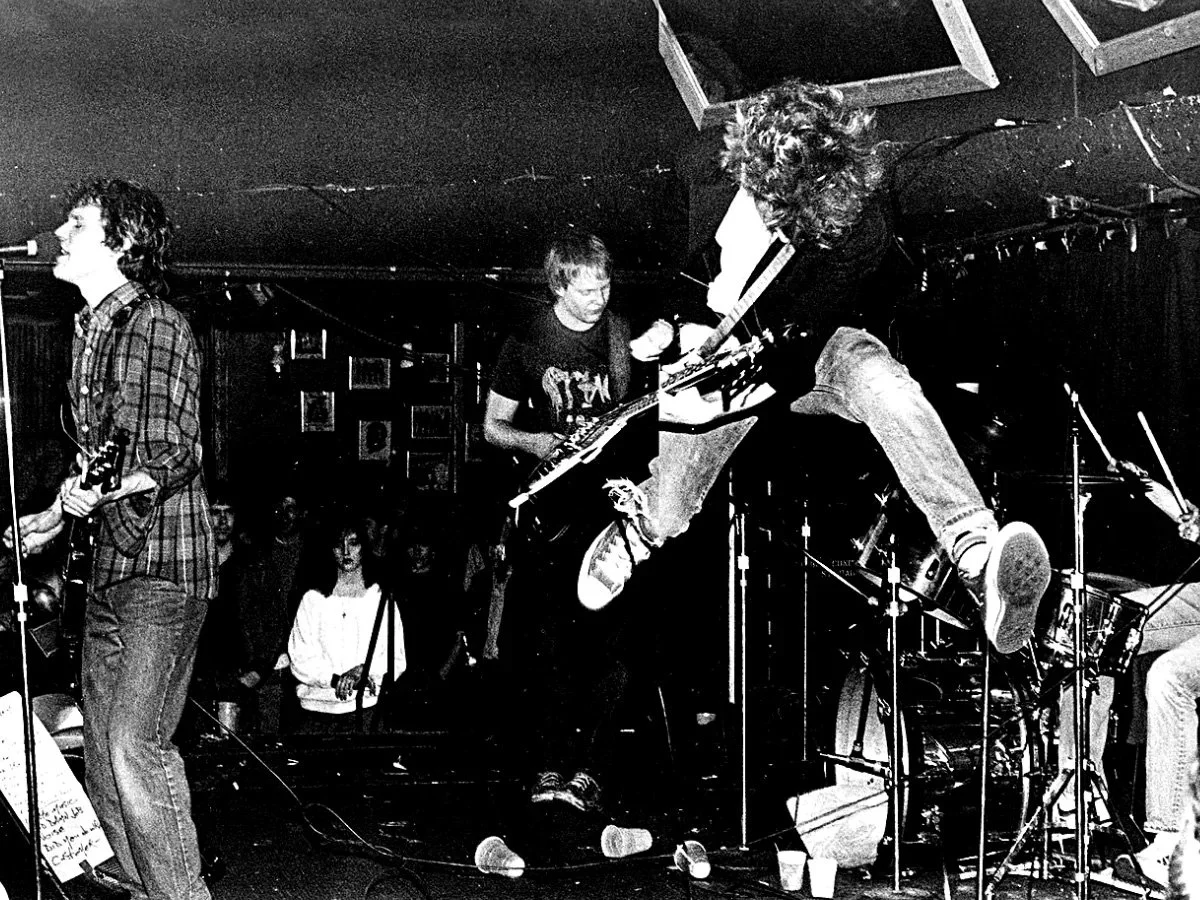
Unidentified photographer - distributed as a publicity photo by Twin/Tone Records around 1982
Forming in Minneapolis in 1979 and fronted by exceptional singer-songwriter Paul Westerberg, the massive potential The Replacements possessed throughout their decade-long career was not lost on the people around them. Managers, peers, producers, and label executives alike were rooting for their success. But pressure to release a chart-topping album began to mount, along with copious amounts of partying and substance abuse, and eventually the band called it quits.
This sounds like the classic rock and roll story we’ve all heard before; add in the tragic death of original guitarist Bob Stinson, and you get all the traits that one might expect in a tale of sex, drugs, and rock and roll. But there is something deeper in their story, a kernel of real magic, that’s had people coming back for more 35 years after their first breakup.
“They never became hugely successful, but they weren’t some obscure act. They never became millionaires; they never had hits, so they occupy a unique middle ground,” Mehr explained. “In a way, I didn’t have to make the book about their great success. It was just a much more human story, and that’s why it’s more relatable.”
“Trouble Boys” was released off the back of their final reunion shows in 2016, and subsequent reworkings of their classic material through the Rhino division of the Warner Brothers catalog have kept The ‘Mats sounding fresh and relevant for younger generations. These steps in reimagining the band’s catalog were taken in part to emphasize the band’s timeless appeal and now serve as an accessible entry point for people discovering The Replacements.
By and large, the band’s appeal with younger listeners only continues to grow.
Between the book and the album reissues, Mehr was intimately involved with the band’s online catalog and witnessed the under-30 demographic rise in The Replacements’ streaming numbers over the last decade.
And of course, the music in itself draws in younger audiences. The Replacements’ pop-disguised-as-punk sound, those songs that seem like they were written just for you, will always stand the test of time. Paul Westerberg’s gut-wrenching lyrics; the pairing of scorching punk tunes right alongside softer ballads, and Tommy Stinson’s bassline heartbeat remain energizing and vibrant, eternally speaking to the adolescent experience. The Replacements are a little bit sensitive, a little bit crass, but human through and through - young people will always identify with that.
“I think what makes them so special is their singer-songwriter kind of approach to things. It’s very literary in a cool way,” said Aidan Atkinson, a 22-year-old musician, friend, and fellow writer. “I think that’s what endures about them the most is the fact that they showed that you could be a punk rocker but also a songwriter. And they were dressing grunge before grunge was a thing. They’re authentic; they’re just themselves.”
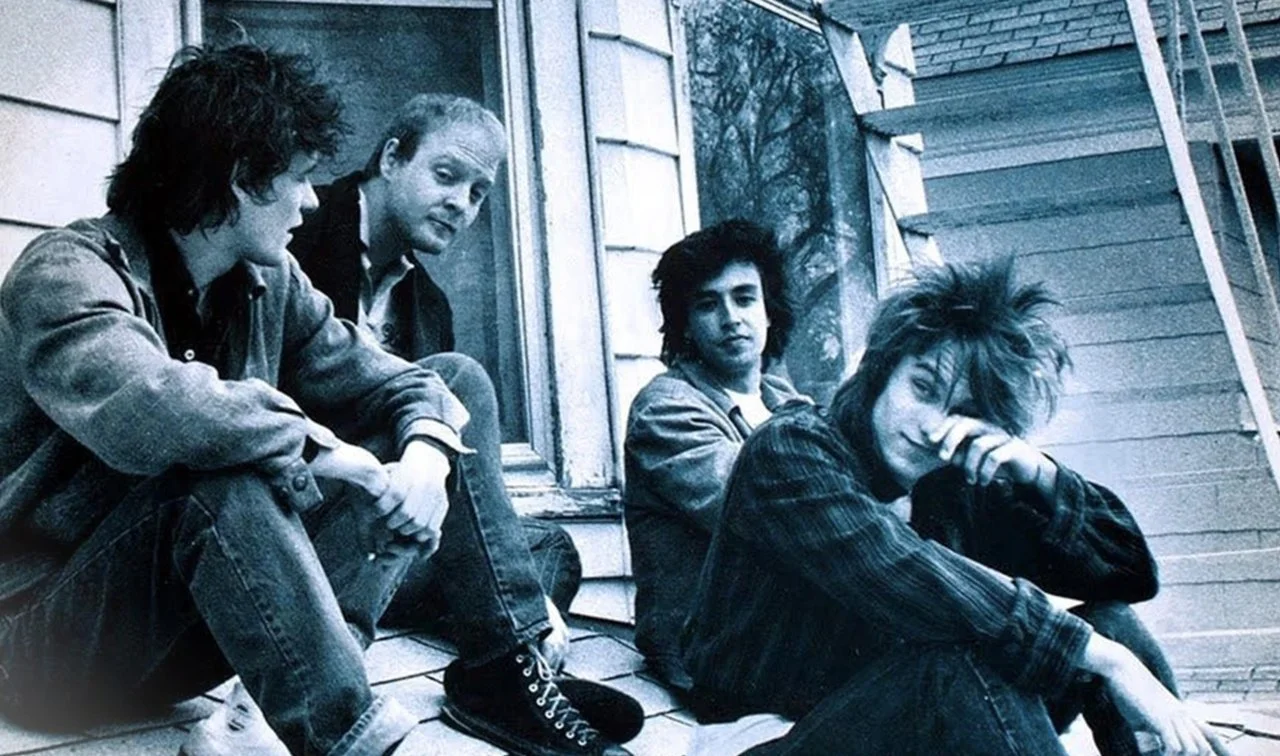
Photo: Daniel Corrigan (credited in select Twin/Tone-era archives)
Maybe more so than previous generations, Gen Z takes cues from aesthetic markers. The Replacements were never a fashion-forward bunch, but their style and their organic embrace of masculine and feminine qualities translate to Gen Z’s visual sensibilities and come across as genuinely who they are.
“They could be a band from the 60s or the 80s or right now,” Mehr said. “There’s just something about them that makes it easier for successive generations to relate to, beyond the music, on a visual or a stylistic level.”
As of March 2026, they have nearly 900K monthly listeners on Spotify, have influenced decades of music, and have been recognized as key players in creating the alternative rock boom of the 1990s. But success was never a straightforward concept for The Replacements, particularly Paul Westerberg, who found his desire for recognition hard to accept. You see in Trouble Boys at times, he was resentful of only being remembered as an influence, a small part in a larger band’s story.
“There was always a conflict in him about the fact that they didn’t have the kind of marker of success, or what he would’ve considered success, and yet I think in his heart he knew that their success wasn’t gonna come in the short term; it would probably come in the long term,” said Mehr. “The things they did, consciously or subconsciously, were establishing this legend that would feed generations to come and build them to be a bigger band for all time rather than for the moment.”
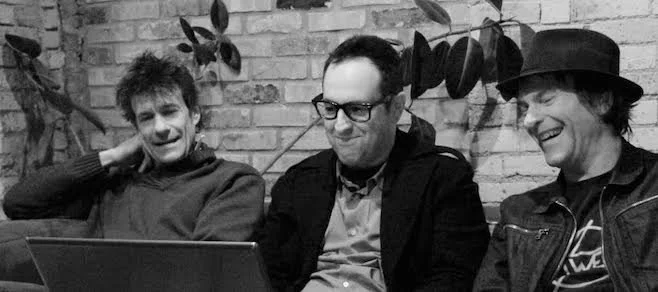
Bob Mehr (center), author of Trouble Boys. Photo courtesy of Da Capo Press.
The band was never great stewards of their own story, which made the work people like Bob Mehr (pictured center above) did in relaying their memory and curating their legacy all the more important. Mehr’s own moment of realization that the band had crossed into the mainstream came at the end of 2023, when they were featured in a New York Times piece on artists who had reworked their catalog that year. The article praised the band, and the accompanying artwork featured The Beatles, Taylor Swift, and The Replacements - three names he never thought would all be spoken in the same breath.
To Bob, me, and the rest of the world who regard their songs as generational anthems, it’s safe to say the Replacements made it. But did Paul Westerberg himself ever have this realization?
“I think the reunion was probably a real validation and, in a way, a confirmation for him that they were on the right track and that they did contribute something and left a legacy behind. And I think that’s partly why, after that, Paul hasn’t done anything musically or creatively. I think that was what he needed to give him some peace about the band’s career,” Mehr speculated.
Mehr and his colleagues’ work has seemingly left no stone unturned in the band’s story: most of their major archival work has been completed, and for what it’s worth, he doesn’t think they’re going to play together again. But the band’s intrigue has yet to fade with talks of a film adaptation of “Trouble Boys” swirling around.
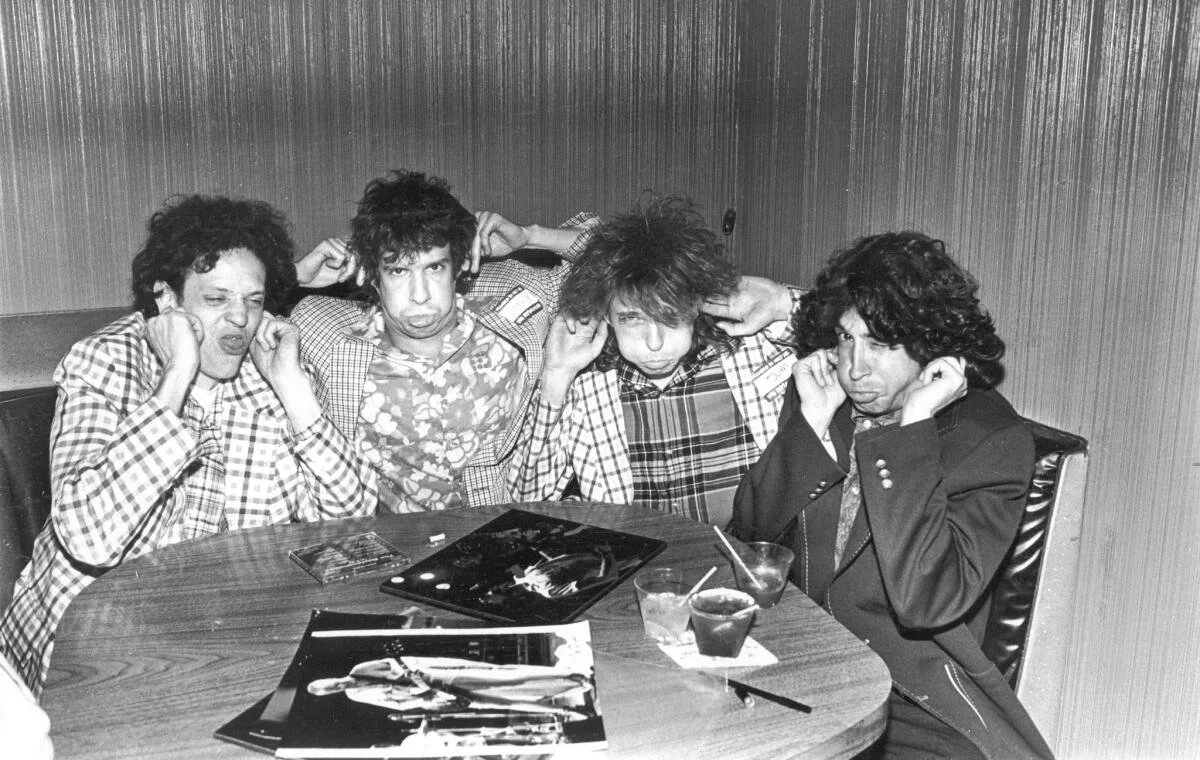
Photo: Aurelio Jose Barrera,
1987—Courtesy of The Replacements archive
“I’m curious just as much as anybody to see what the next ten years yield,” Mehr told me. “At the end of the day, you go back to the music, to the story, and to the humanity of the band. Those three things are always going to be vital and visceral and fresh for people who are discovering them for the first time, or revisiting them, or trying to get deeper.”
Perhaps the most enduring quality about The Replacements in today’s context is their uninhibited drive to be themselves at all costs, even if it was a detriment. Teenagers continue to see through people’s falsities better than anyone, and say what you may about The ‘Mats, but you could never call them fake. Beyond the structures in place to maintain their legacy, people’s infatuation with The Replacements will never die as long as the music exists.