
An Institution Does Not Have To Be The Lengthened Shadow of One Person, The Gee Vaucher Foundation.
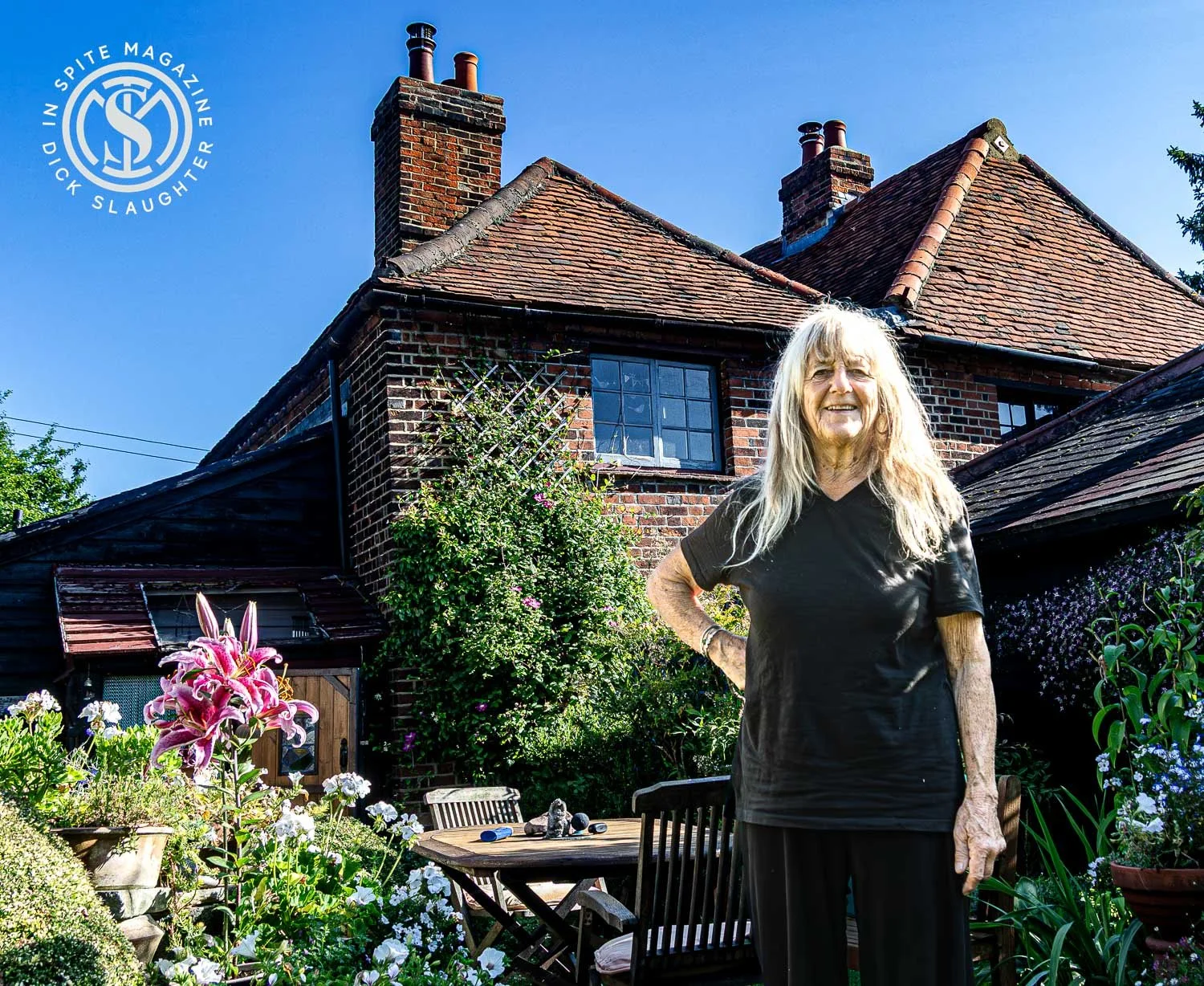
Gee Vaucher at home at Dial House—photo courtesy of ©dickslaughter.com
Gee Vaucher is one of the most important artists of the last 500 years. While many people first encountered her work through the iconic visual work she created with CRASS, her significance extends far beyond a collection of punk record sleeves.
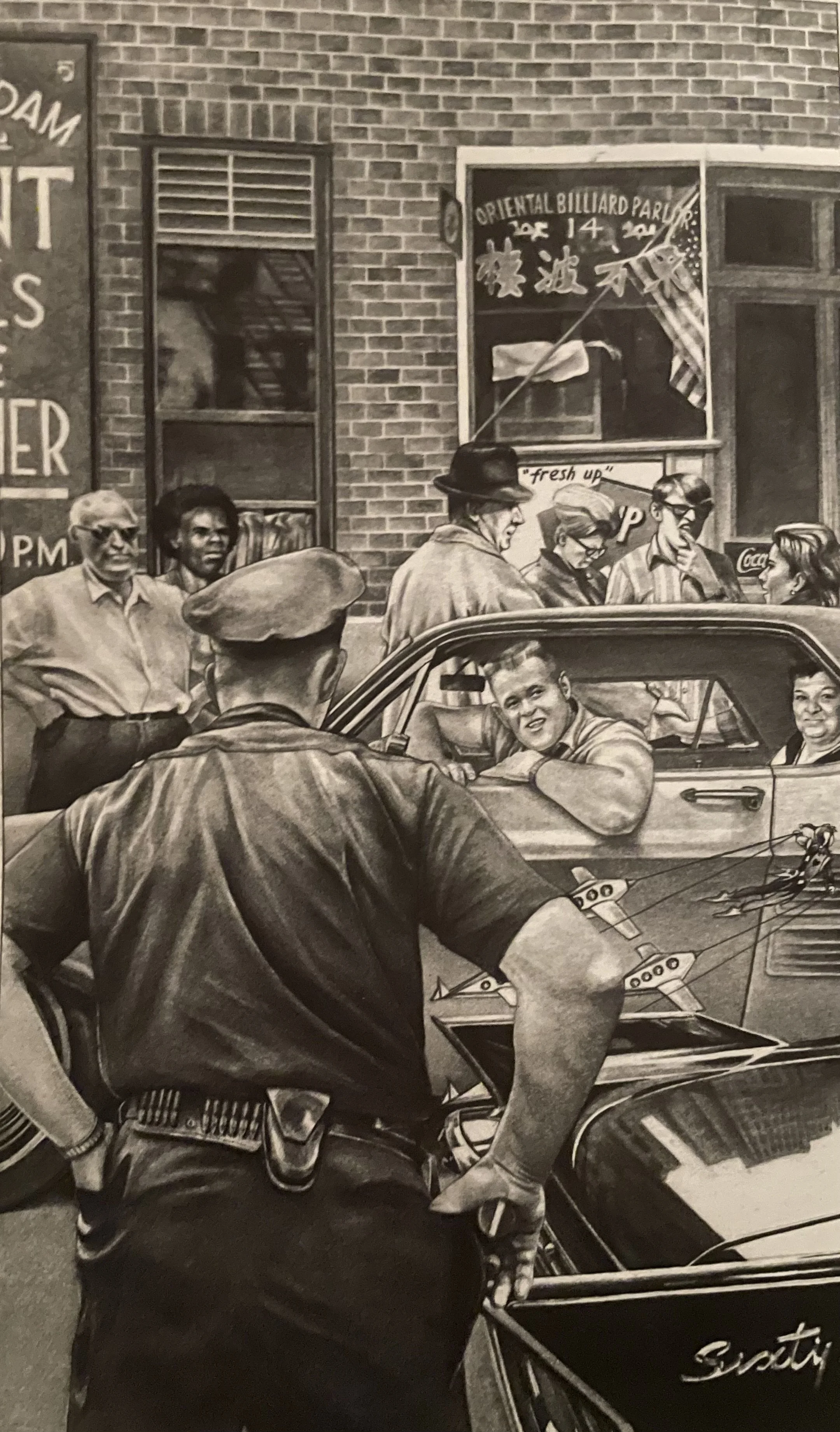
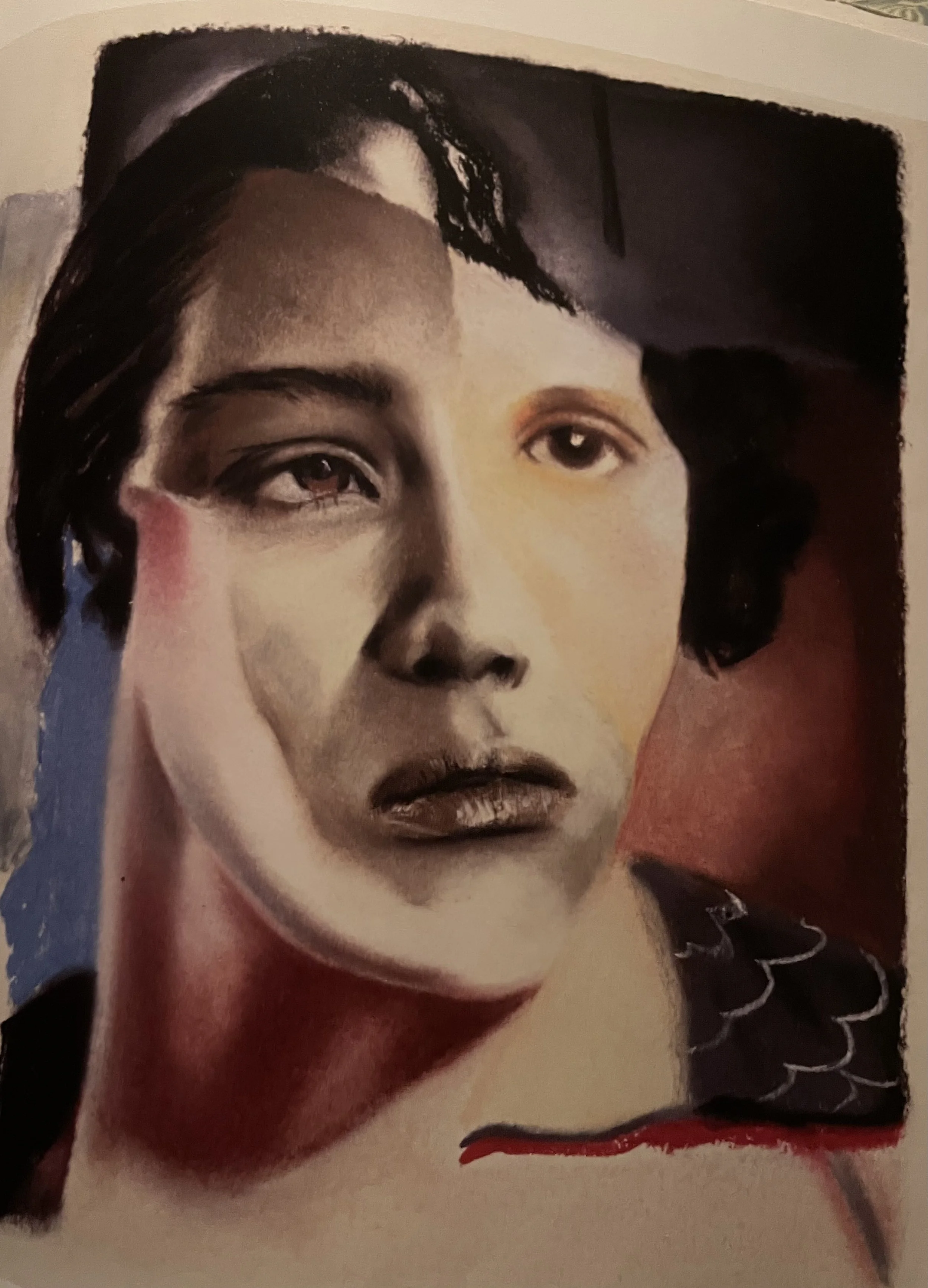
Gee’s work has appeared in countless publications, including, of course, the now historic International Anthem. But it has also turned up in a few places you might not expect, like New York Magazine, Rolling Stone, The New York Times, children’s books, and recurring covers of Britain’s Daily Mail, featuring Oh America whenever America deserves it.
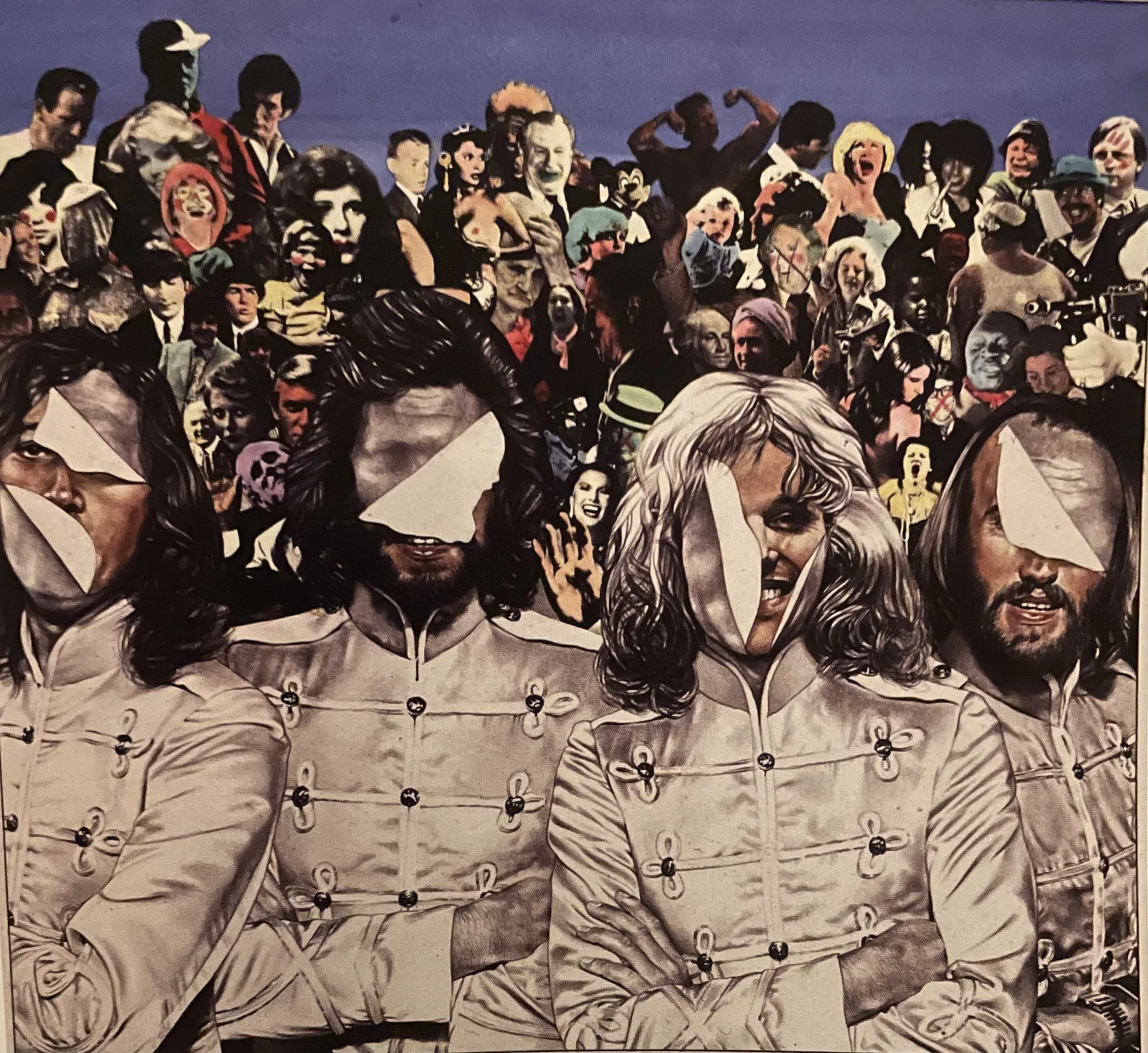
1977 Bee Gees record review, Rolling Stone. Gouache and collage—all artwork by Gee Vaucher.
Her paintings, collages, sculptures, and films have explored war, inequality, gender, consumerism, environmental destruction, and the human condition with a clarity and fearlessness that will remain relevant forever. Finally, there are plans to preserve that extraordinary body of work and make it permanently accessible to the public through the Gee Vaucher Art Foundation.
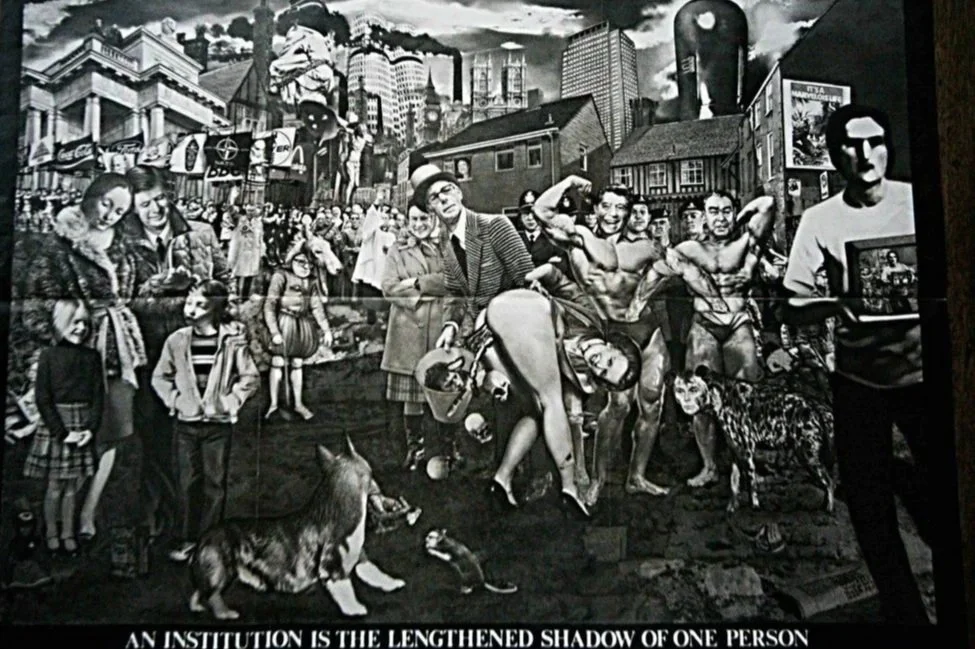
1981 poster insert for CRASS’s Christ the Album. - All artwork by Gee Vaucher.
The idea is simple enough. Preserve, protect, and promote Gee’s artistic legacy. Give the work a permanent home where people can actually see it. And create a space that can help, inspire, and facilitate the work of future generations of artists.
Actually doing it is the difficult part.

1980. An illustration that appeared in International Anthem 3—Gouache—All artwork by Gee Vaucher.
A building in London has already been found. Now they only need £2 million to secure it. That is about 3 million in dollars.
Dick: Why now?
Gee: “Why not?”
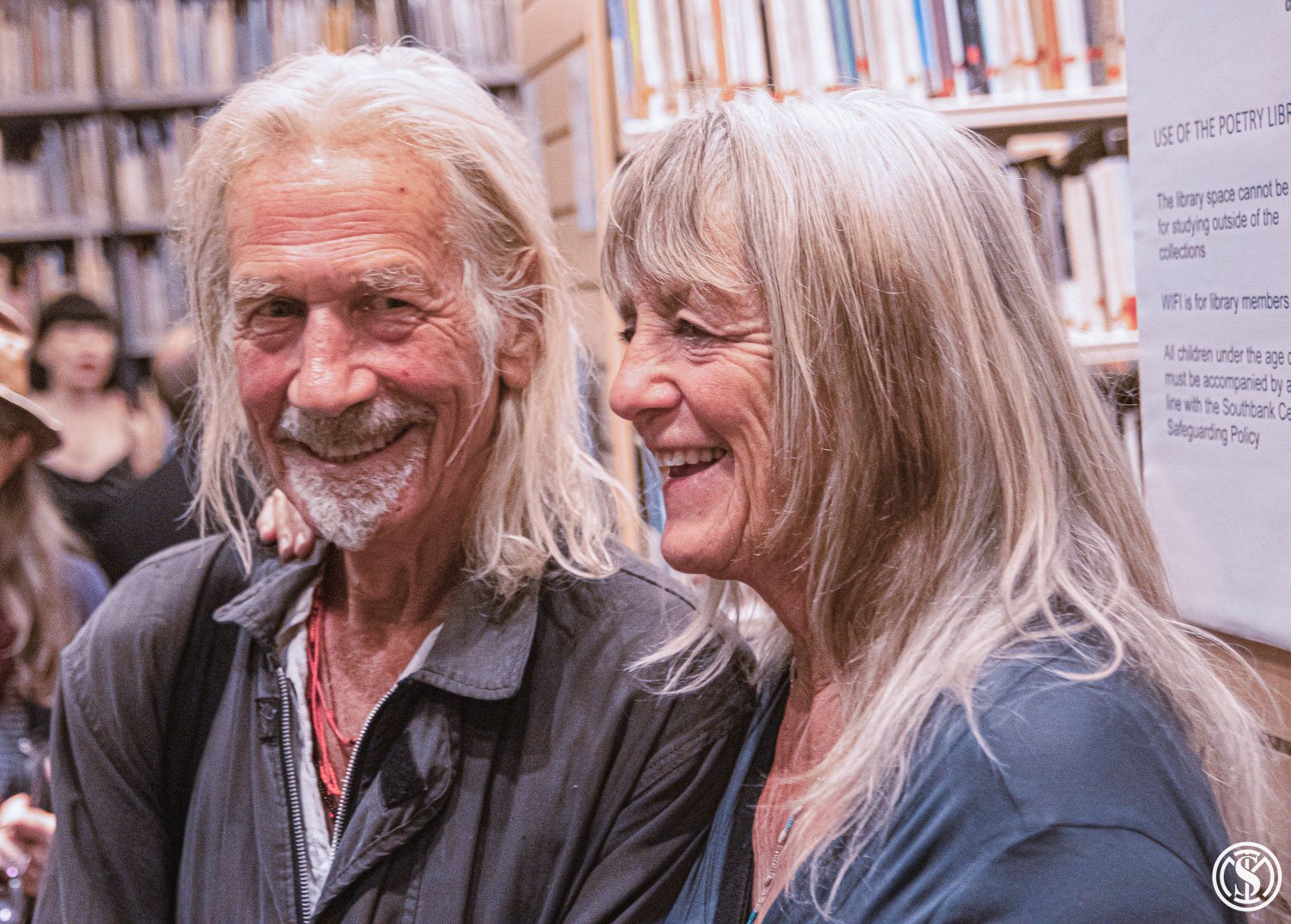
Penny and Gee in London—photo courtesy of ©dickslaughter.com
Fair enough. A perfect answer if ever there was one. For many of us, Gee’s work with CRASS was our introduction to real art. Those images helped create an entire visual language for anarcho-punk that has been copied, borrowed, and often outright stolen ever since.

Gee, in London. —photo courtesy of ©dickslaughter.com
But calling Gee “the artist who did the CRASS art” is a little like calling Michelangelo the guy who painted that ceiling. It’s technically true. It just leaves quite a lot out. Gee was an artist before CRASS and remained one long after the band ceased to exist. There have been countless museum/gallery shows, installations, collaborations, and movie screenings.

Patron and a piece from the 2006 series Children Who Have Seen Too Much Too Soon—all artwork by Gee Vaucher.
Her work has attacked militarism, consumerism, political power, and the way advertising and mass media manipulate the images around us. Other pieces are intensely personal. And after 60 years, the world has somehow failed to stop giving Gee things to make art about.
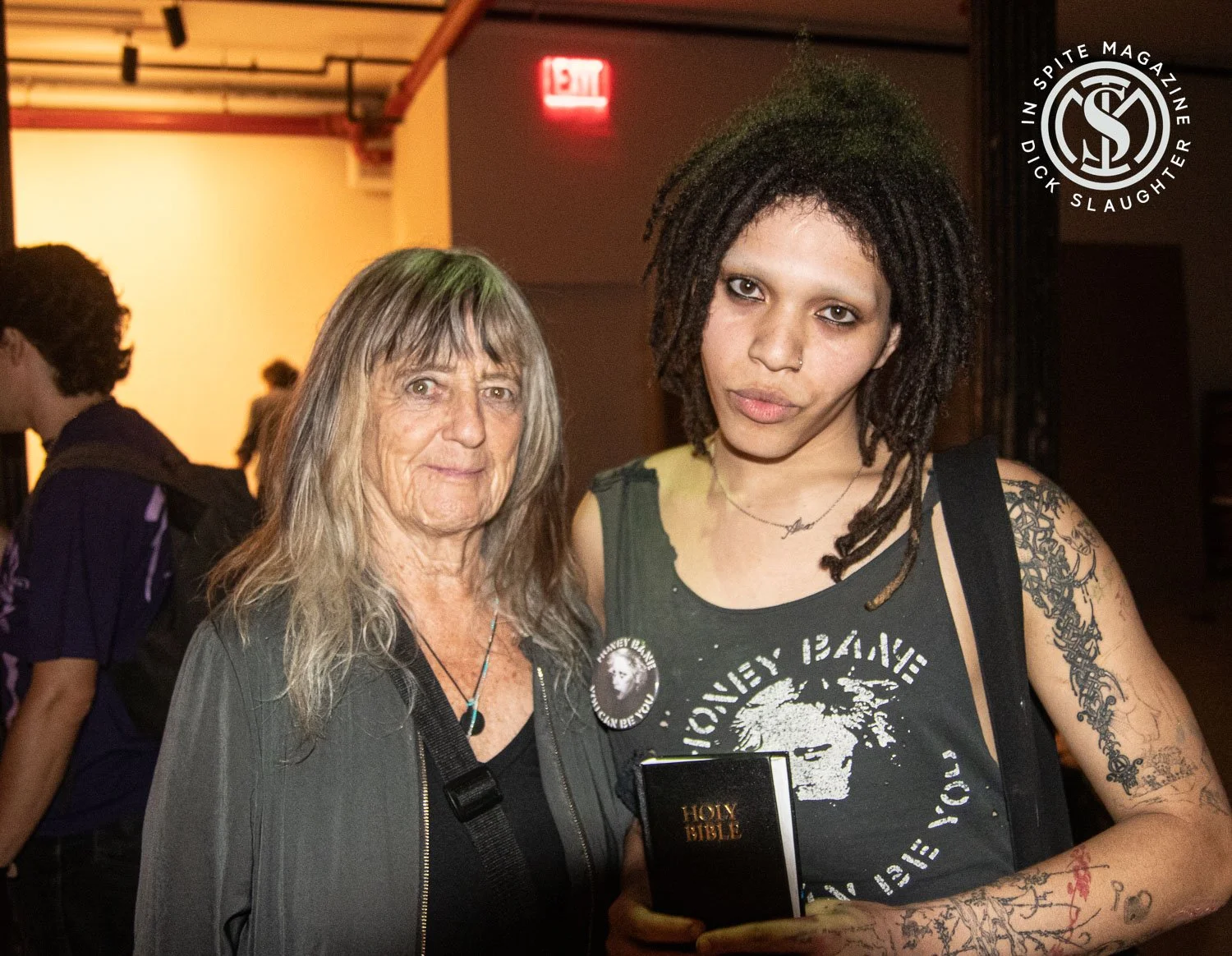
Gee with a fan and a bible in New York. —photo courtesy of ©dickslaughter.com
Dick: Your work has spent 60 years attacking war, consumerism, inequality, and people in power. Are you annoyed that humanity has continued providing you with material?
Gee: “No.”
Apparently I’m more annoyed about it than Gee is.

1994 Self portrait. Pastel —all artwork by Gee Vaucher.
The foundation needs a permanent home, and this isn’t some vague plan to maybe find a building someday. They have found one. It’s in London.
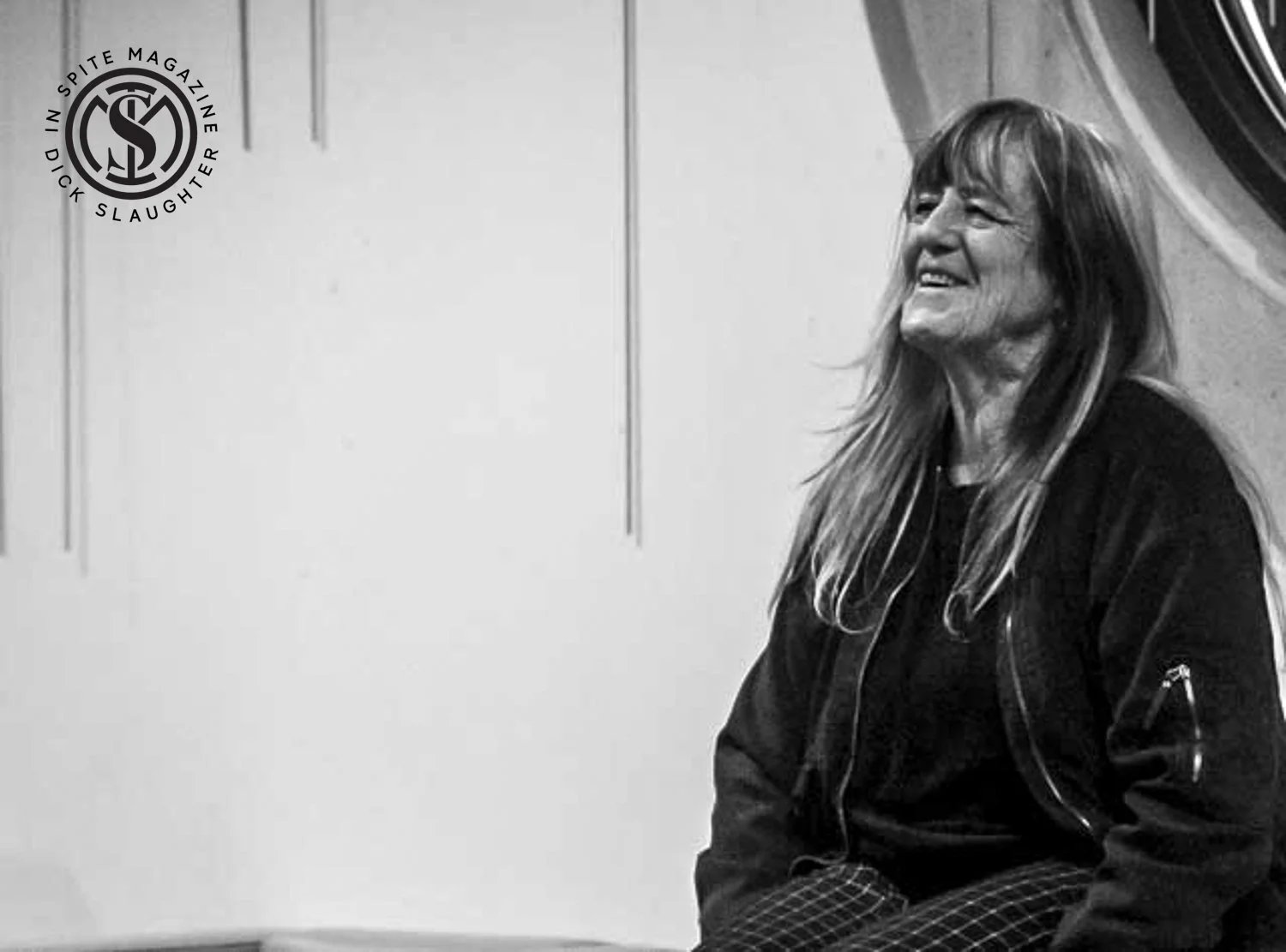
Gee, laughing it up in Colchester
That raised another question for me because Gee is so closely associated with Dial House in Essex.
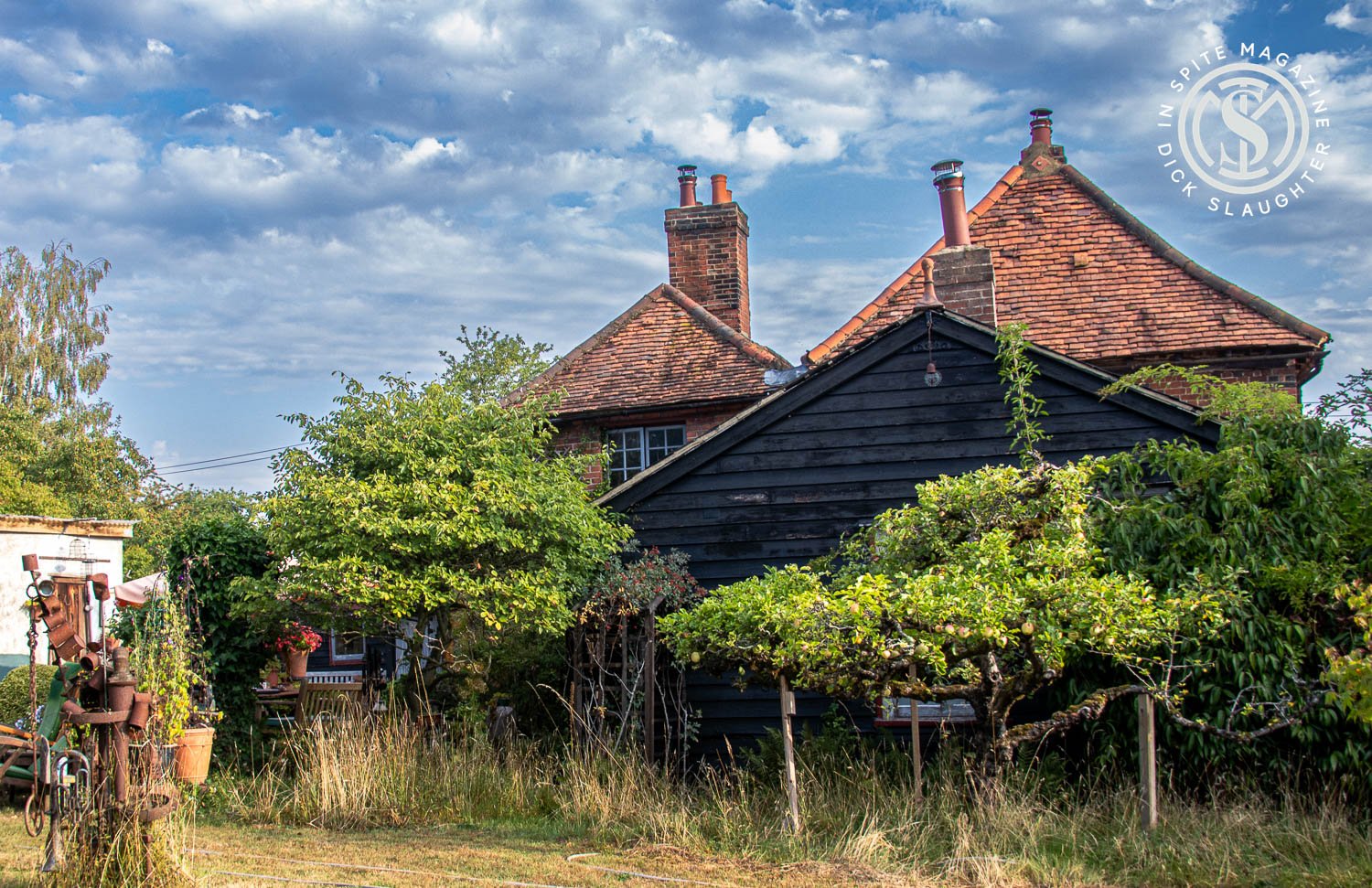
Dial House—photo courtesy of ©dickslaughter.com
Dick: Why London when Dial House is in Essex?
Gee: “I was born in London.”
Another mystery solved.
Now comes the slightly inconvenient part. They need £2 million.
The money will allow the foundation to secure the building and create a permanent home for Gee’s work. Importantly, the permanent collection is intended to be free for the public to view.
That matters.
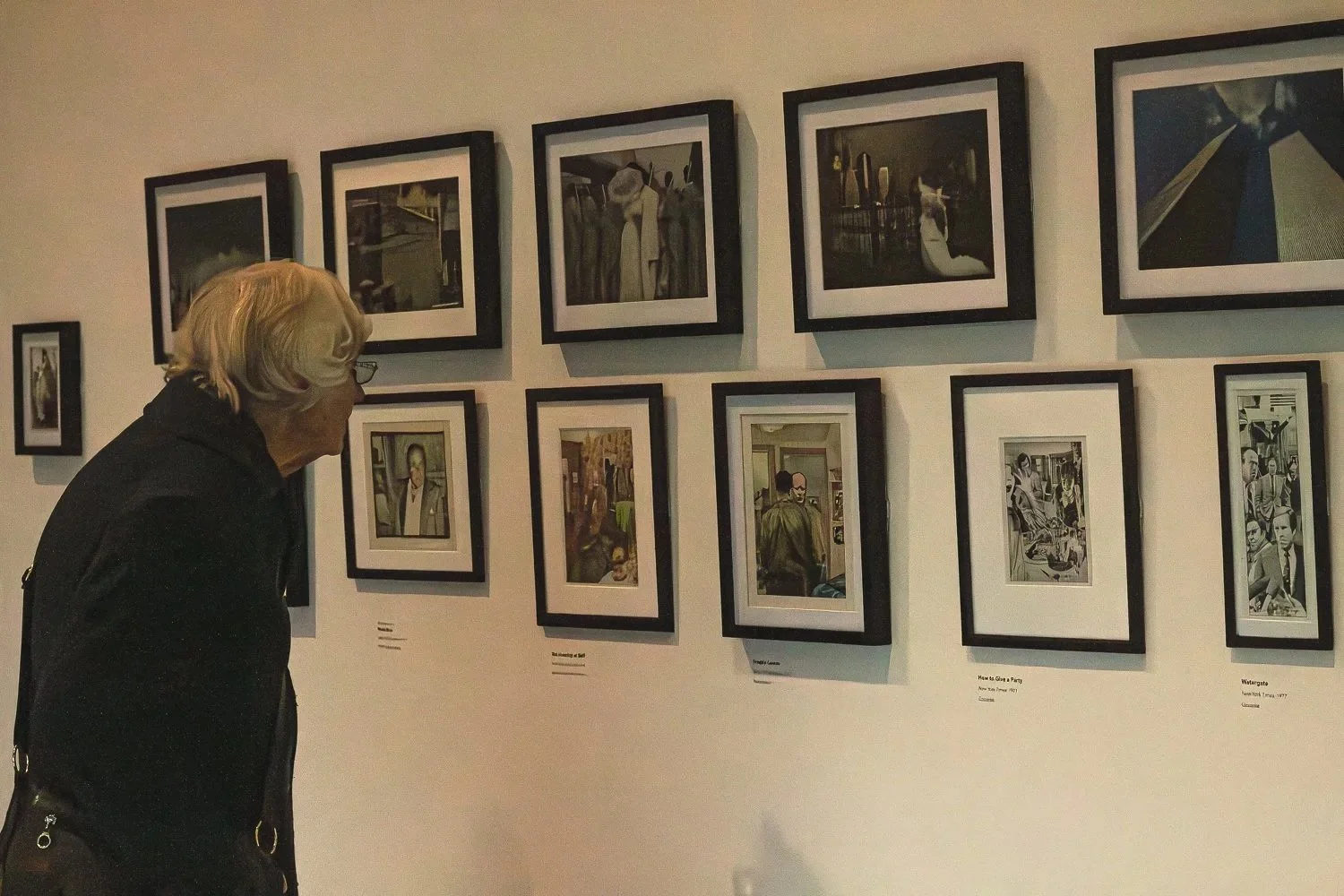
Patron admiring part of Gee’s exhibit, An Introspective, at Firstsite in Colchester—all artwork by Gee Vaucher.
There is something wonderfully appropriate about work that has spent decades challenging ownership, capitalism, and cultural gatekeepers not disappearing into private collections where only people with money or connections can see it.

1979. An illustration that appeared in International Anthem 2: Domestic Violence. Collage—all artwork by Gee Vaucher.
But this isn’t intended to become a mausoleum to Gee Vaucher. The foundation is also plans to support artists and give new work somewhere to be seen.
Naturally, I wanted to know how somebody gets through the door.
Dick: How will new artists be chosen and supported?
Gee: “Supported by being chosen for what they have to share.”
Dick: What does a young artist actually need? Money? Space? An audience? Encouragement?
Gee: “Passion and honesty.”

1977. Illustration for The New York Times—Gouache—all artwork by Gee Vaucher.
The music and art industries spend an enormous amount of time discussing careers, markets, branding, networking, and what it takes to become successful. Gee manages to boil the qualifications down to passion and honesty. Maybe everybody is making this far too complicated.
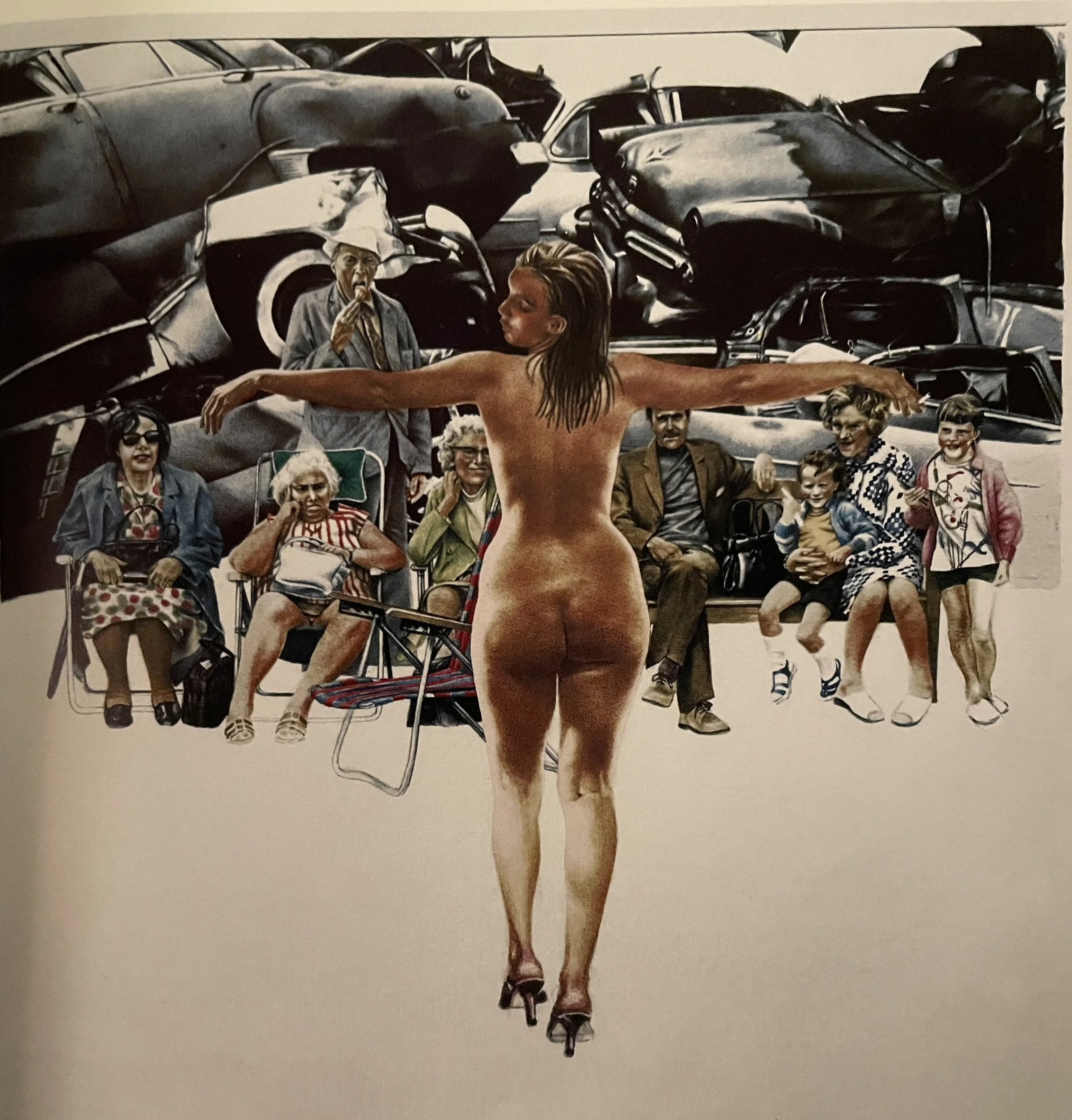
1975 Illustration for Pent-Up Magazine—Gouache—all artwork by Gee Vaucher.
Dick: A lot of people probably have one of your images on a shirt, record sleeve, or wall without knowing who Gee Vaucher is. Does that bother you or amuse you, or is that exactly how it should be?
Gee: “It is what it is.”
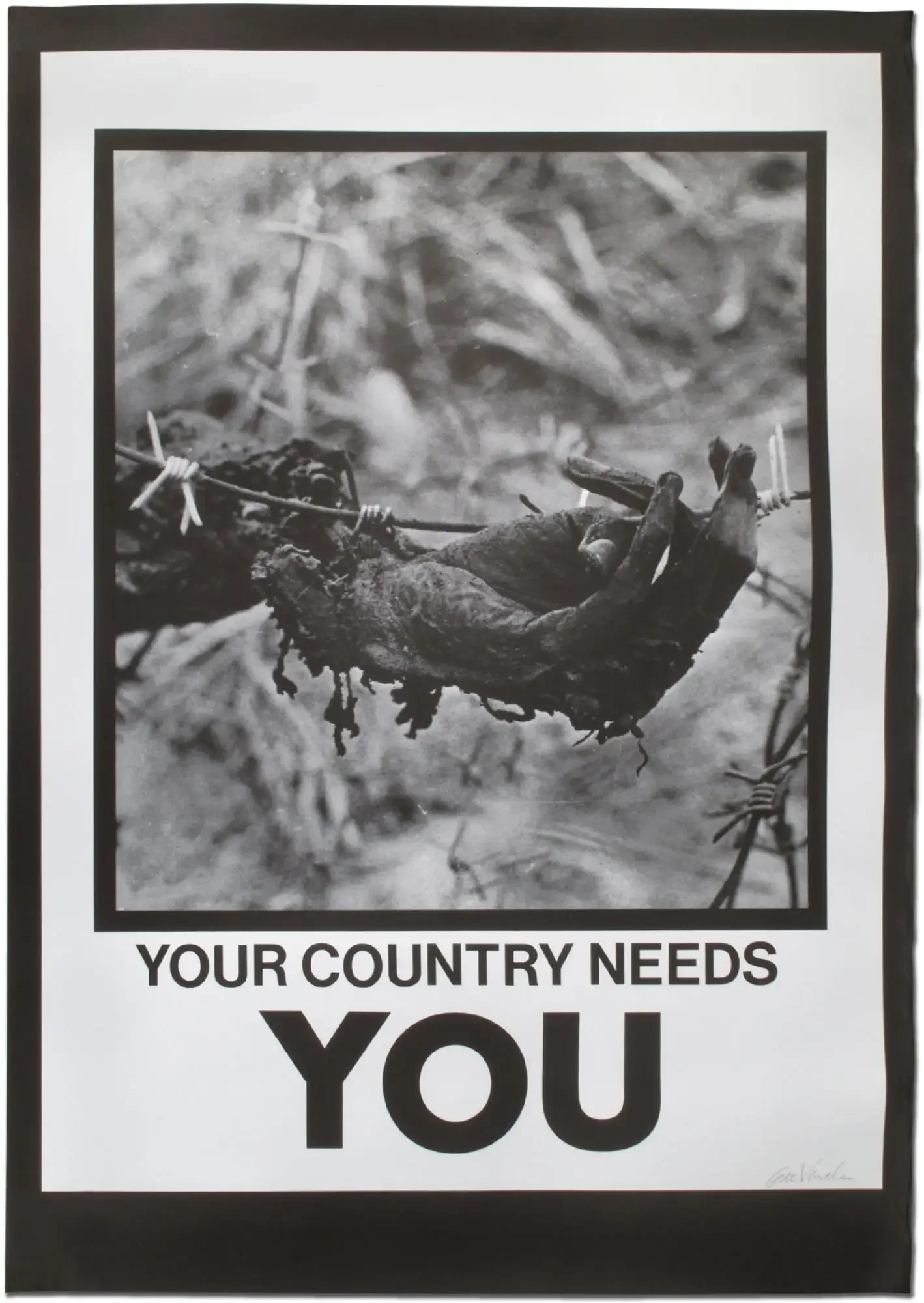
Fold-out poster from CRASS’s record version of The Feeding of the 5000. Photograph taken in Vietnam in 1968 by Ghislain Bellorget—all artwork by Gee Vaucher.
At this point, we had covered artistic legacy, capitalism, public access, young artists, and £2 million worth of London real estate.
I felt I had earned the right to get to the question a serious art magazine will undoubtedly overlook.
Dick: Will there be a vegetarian cafe?
Gee: “Yes.”
Dick: Excellent.
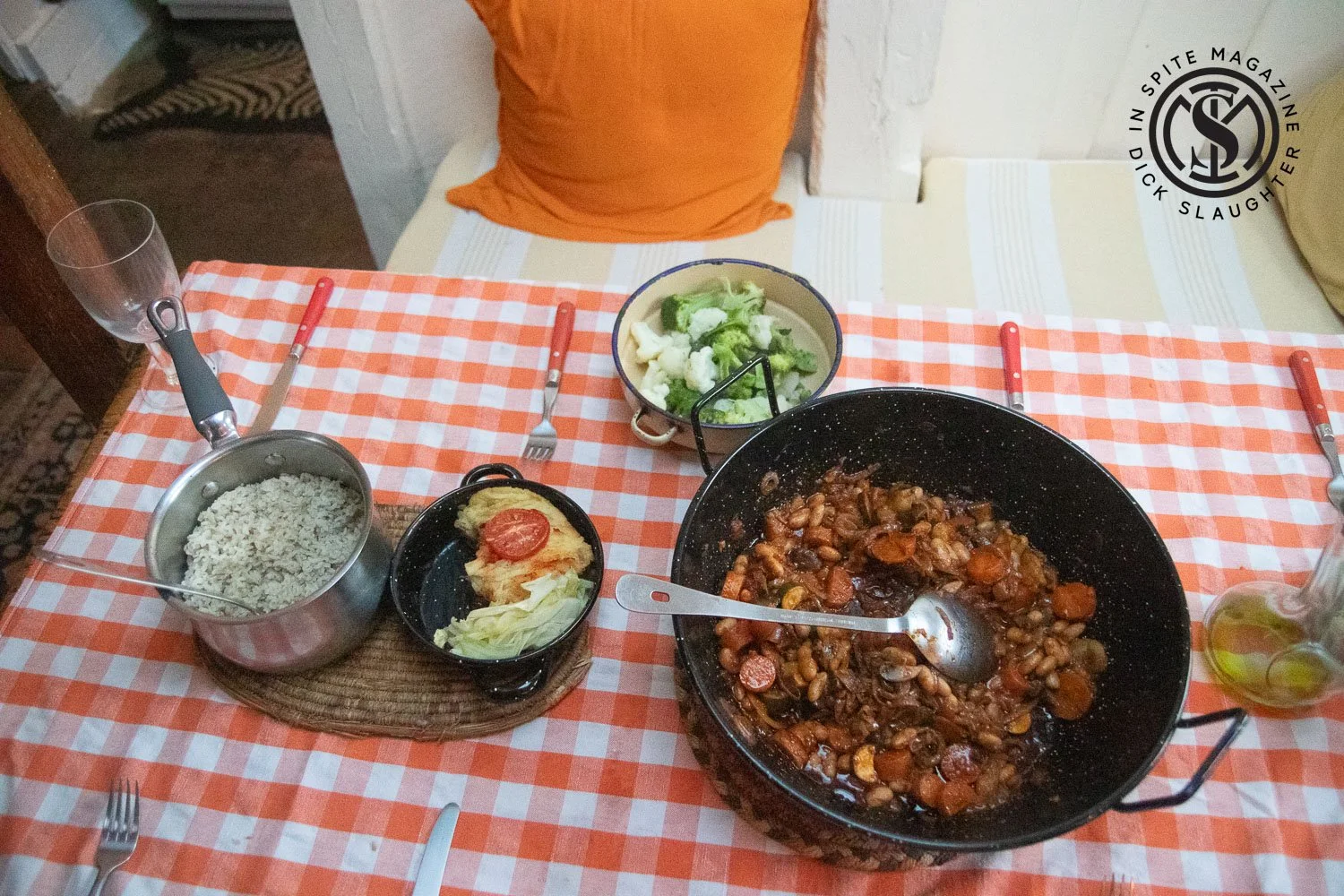
I think Penny cooked this, so he will probably be working in the kitchen because it was delicious. —photo courtesy of ©dickslaughter.com
Dick: Will your horticultural work and gardening tips be part of the exhibits?
Gee: “Who knows?”
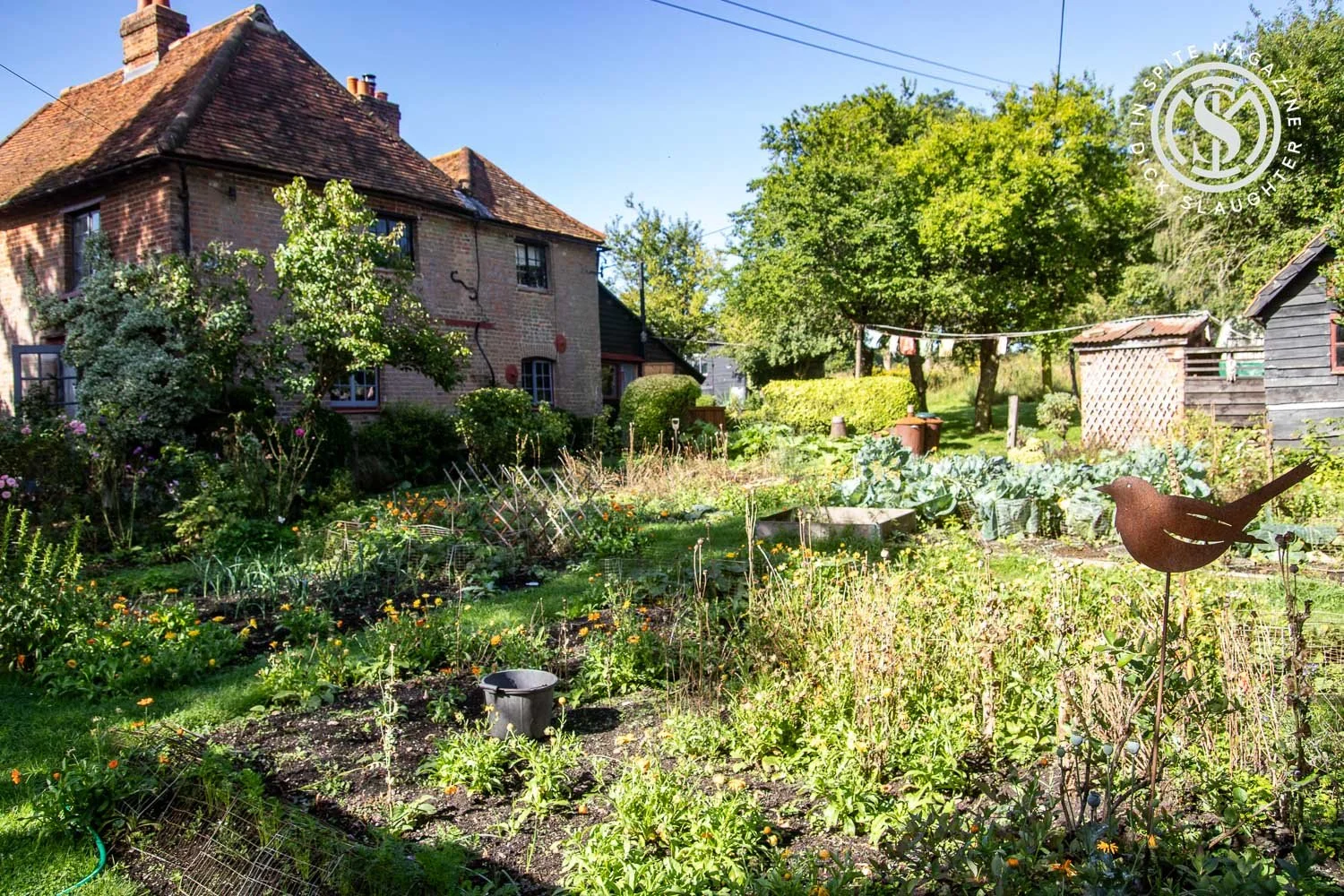
Vegetable garden at Dial House, where the best tomatoes in the world are born. —photo courtesy of ©dickslaughter.com
Dick: Will there be any nude photos of Penny in the collection?
Gee: “Might be.”
Now we’re getting somewhere.
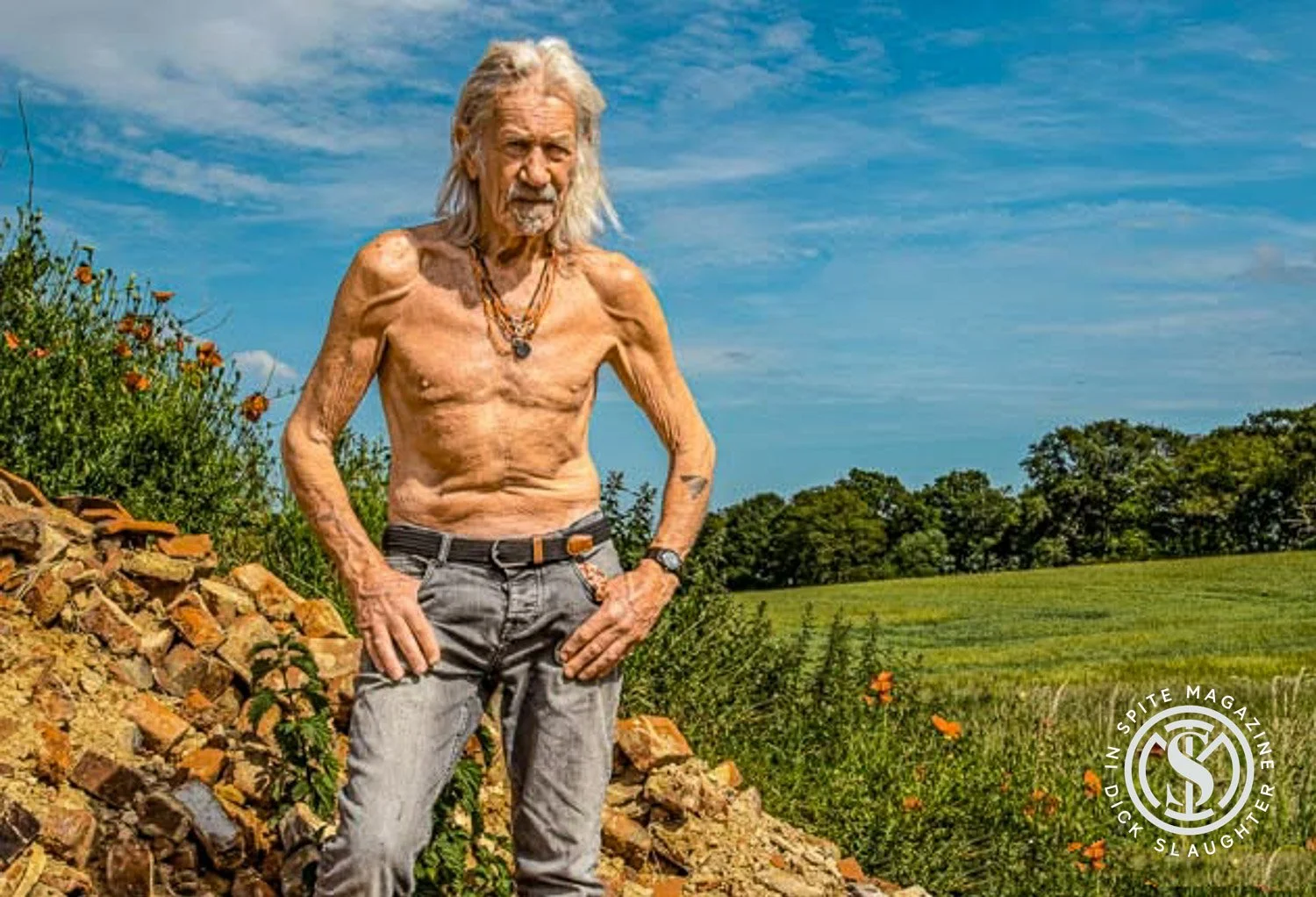
Punk Hunk of the Month, July 2024: Penny Rimbaud. When I told Penn he won Punk Hunk, he replied, "I am no punk," and did not argue the hunk part—photo courtesy of ©dickslaughter.com.
Dick: Can I put up that photo I took of you mowing the lawn in the museum?
Gee: “No.”
Apparently I will not be joining the curatorial staff.
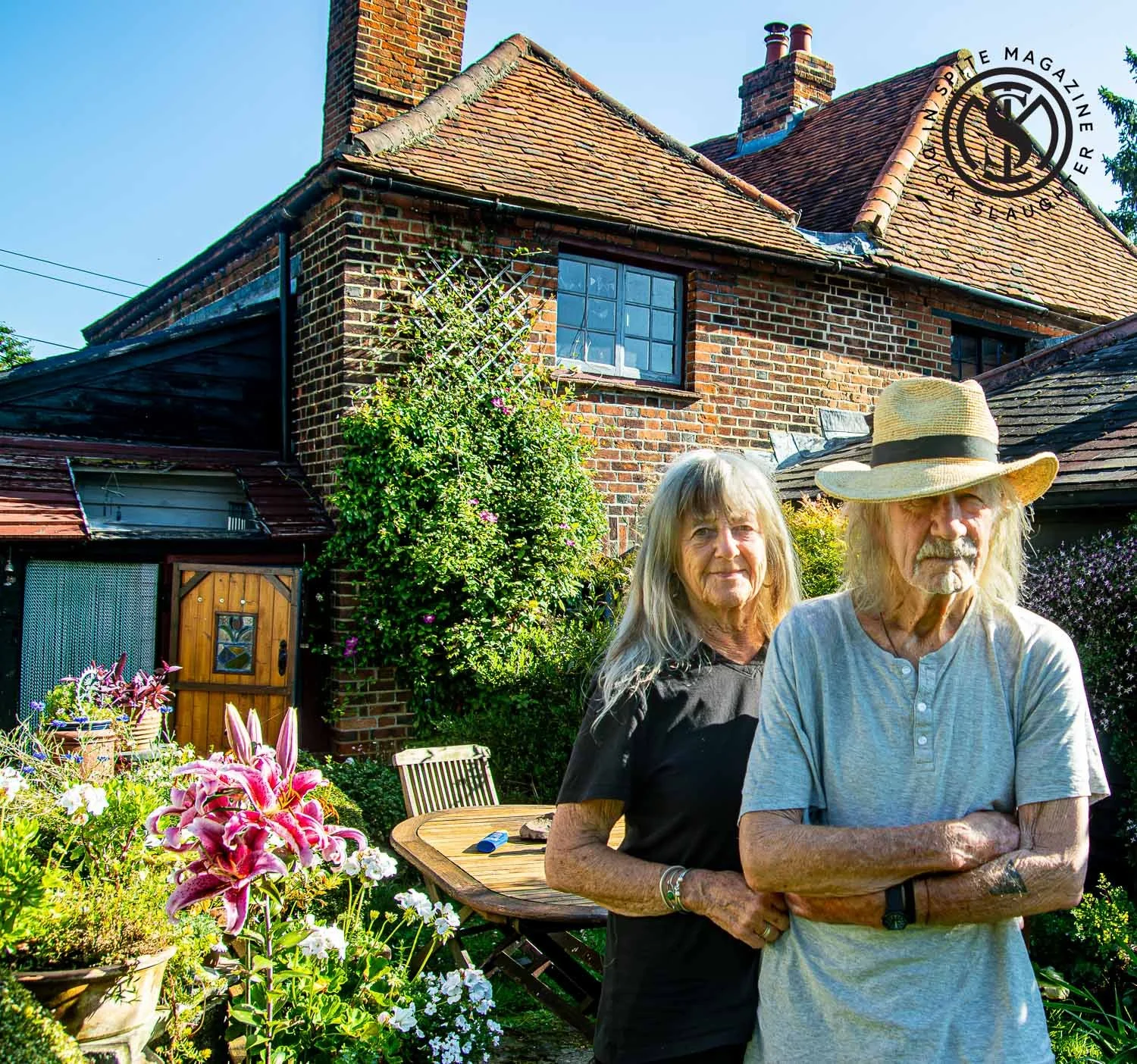
Penny and Gee at home at Dial House—photo courtesy of ©dickslaughter.com
Dick: Can I stay there when I’m in London?
Gee: “No.”
There goes the artist-in-residence program.
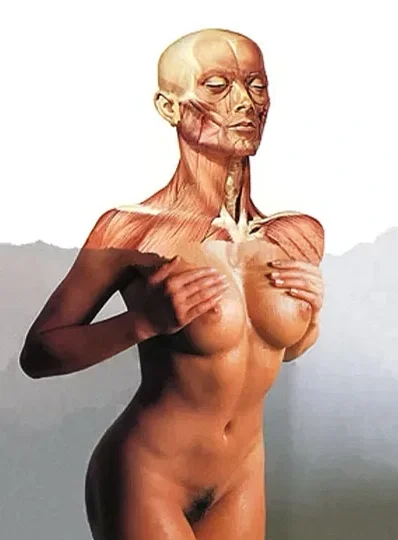
2010. Inside Out. Giclée print with silkscreen—all artwork by Gee Vaucher.
Dick: Will there be a gift shop?
Gee: “No.”
I think I found my place, merch guy in the alley out back.
Dick: Well, speaking of gift shops, why doesn’t Banksy just pay for it since he owes everything to you?
Gee: “Who knows?”
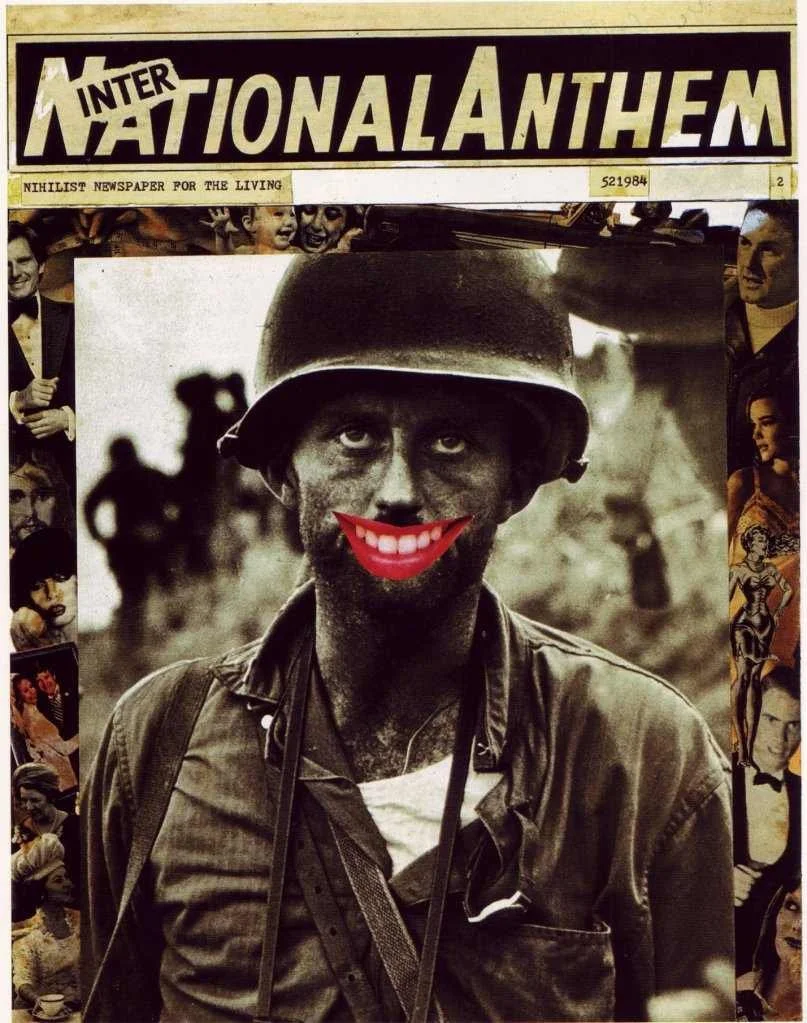
1979. Cover of International Anthem 2: Domestic Violence. Collage. All artwork by Gee Vaucher.
Banksy, if you’re reading this, you know where to find them. And that goes for the lot of you celebrities and one-percenters who are sporting that bootleg CRASS shit. You could throw down some real money into the kitty. I will save the photos and any shaming of celebrities for a future article about the roof at Dial House.
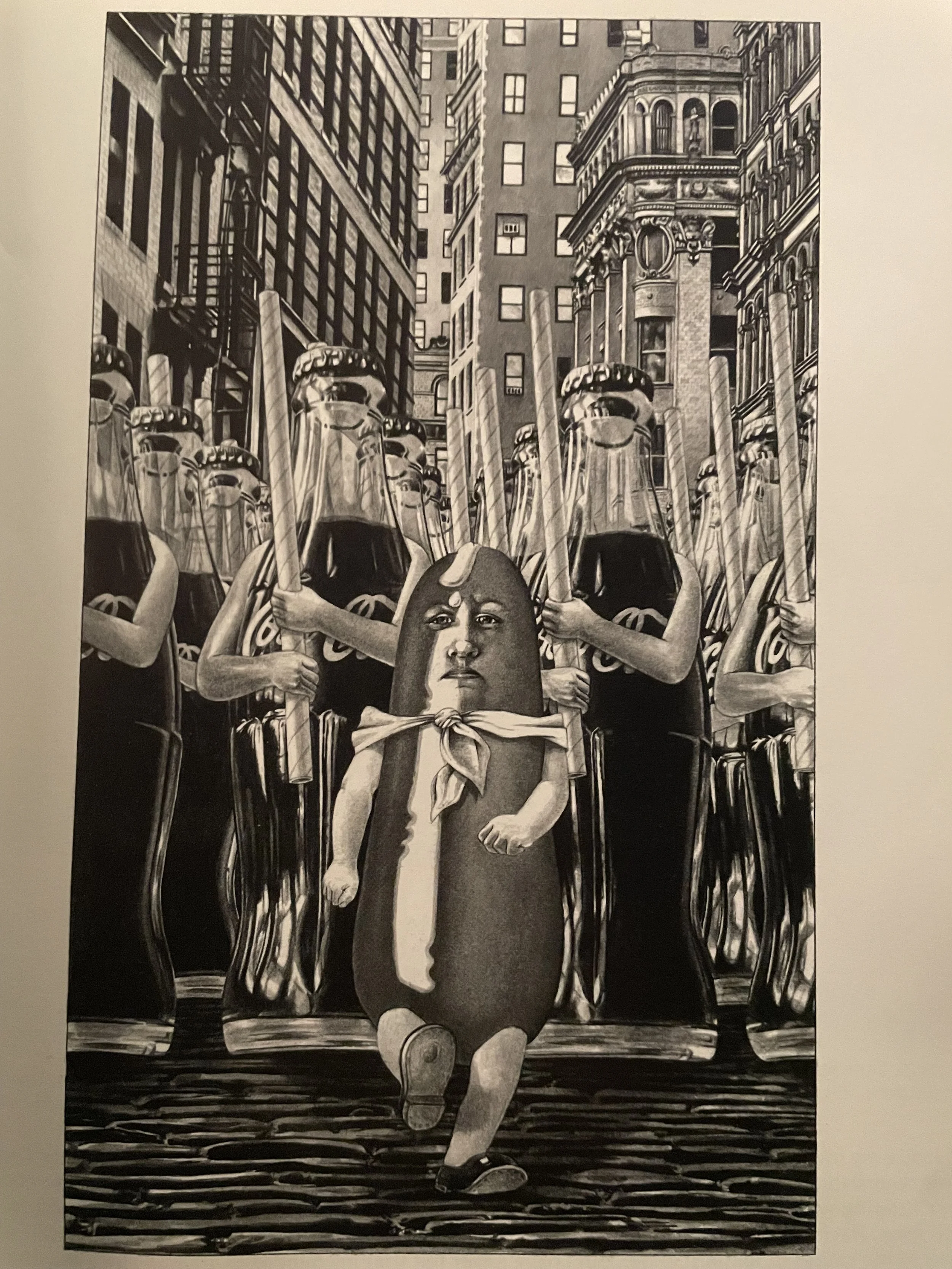
1974 Children’s book illustration. Gouache.—all artwork by Gee Vaucher.
And also to those of you who have been making money off CRASS and Gee with your buttons, patches, and T-shirts since the 1980s, it wouldn’t hurt you to throw £100 in the kitty. Sadly, that’s about $154 these days. But if just those of us who have been inspired by Gee’s work come together and give what we can sort of afford, we can probably raise the money ourselves.
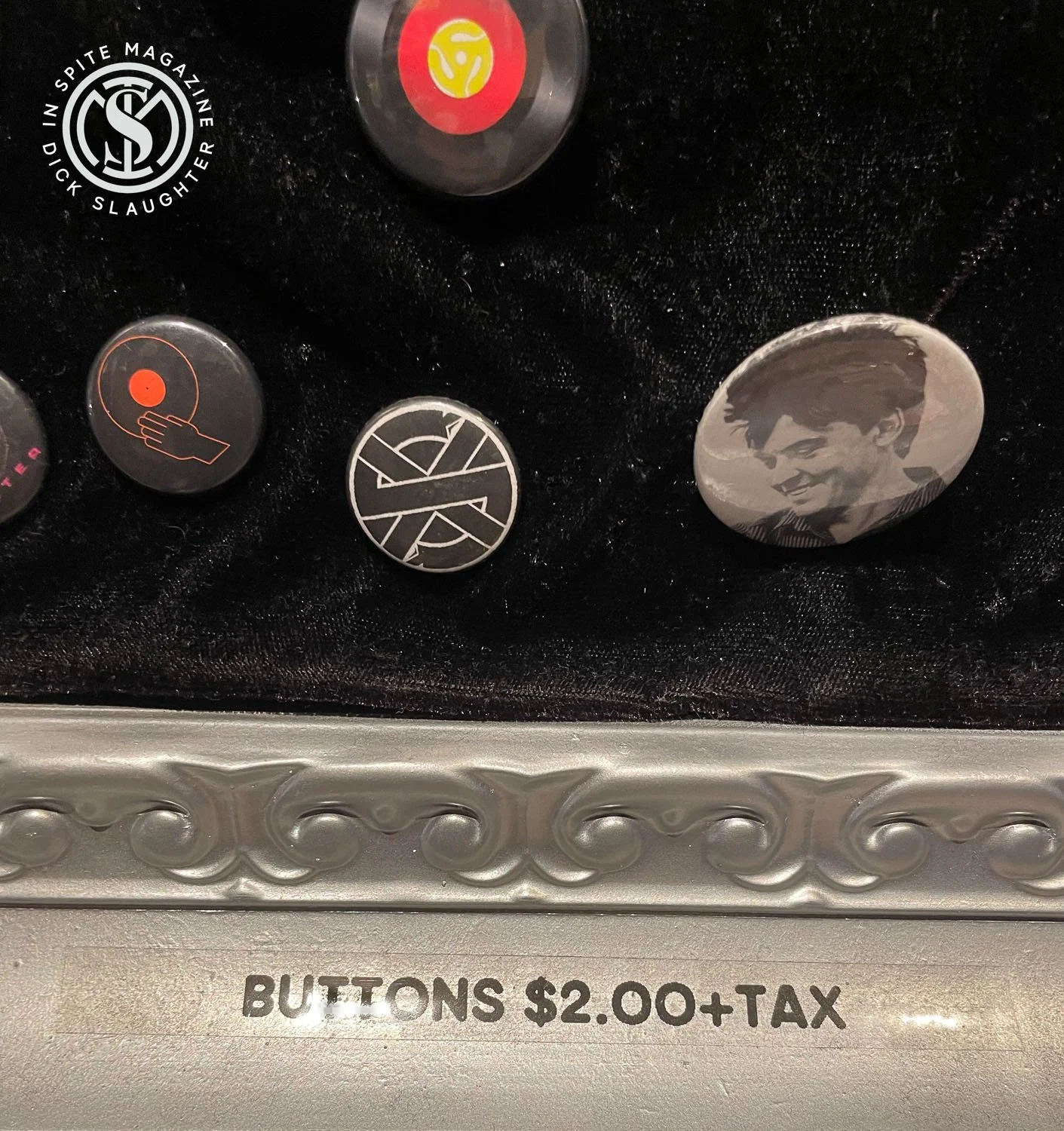
Grammy Museum in Los Angeles, CA—photo courtesy of ©dickslaughter.com
The above photo was taken at the Grammy Museum in Los Angeles. I don’t believe CRASS ever received a Grammy nomination, and I am definitely sure they don’t get a cut of any merch sales. I also picked up a CRASS patch for five dollars and nintynine cents plus tax at the Skirball Cultural Center during their Outsiders, Outcasts, Rebels, Weirdos: Punk Culture 1976–86 exhibit, where more than a few of Gee’s pieces were on display without credit, and the tour guide had no idea who Gee Vaucher was.
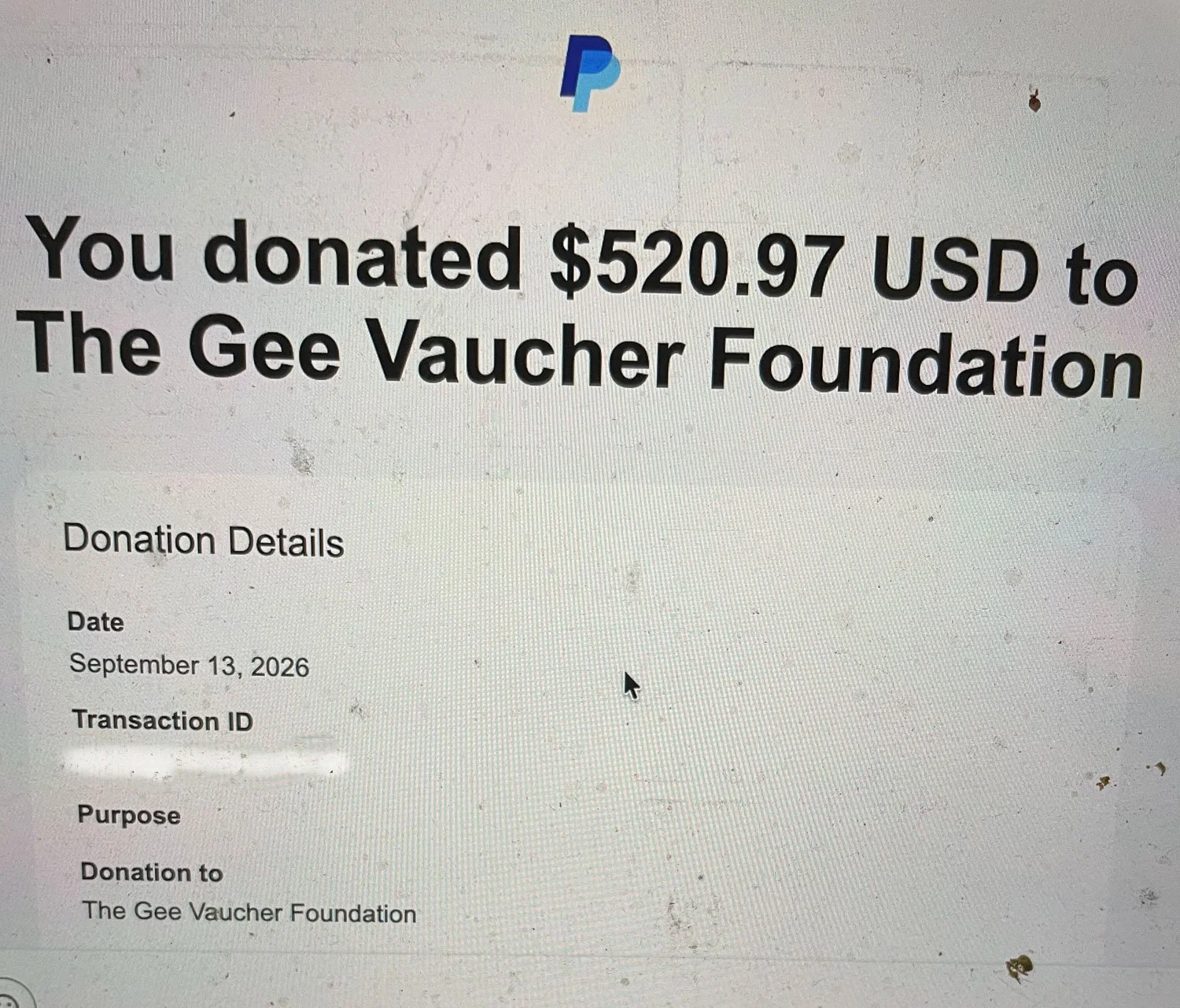
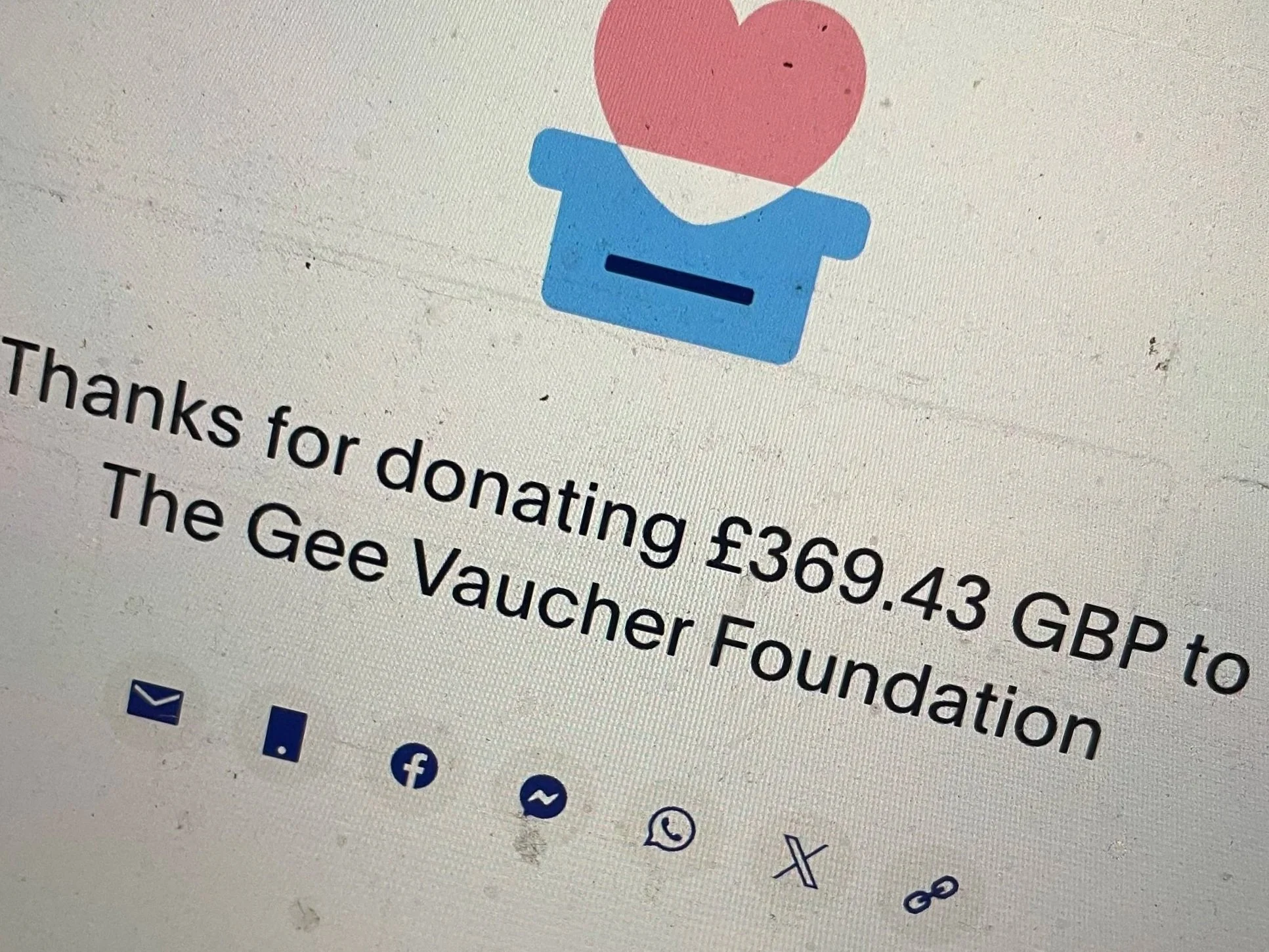
I have personally donated five long weeks of the money I would have, and probably will still, spend on rolling joints to the foundation, but sadly, even though my reefer habit is completely out of control, they are still short. And let’s just say the dollar to pound exchange rate didn’t help any either.

1989. Oh, America. Gouache—all artwork by Gee Vaucher.
And of course, raising £2 million and buying the building isn’t the end of the story. You still have to keep the damn thing running, preserve the art, put on exhibitions, support artists, and keep the lights on. And the vegetarian cafe will need vegetables.
Dick: How will you financially support the foundation once you have the building?
Gee: “Keep fundraising?”

The punk in the garden at Dial House.—photo courtesy of ©dickslaughter.com
And that is something very new to Gee, as money is not something Gee was ever concerned about. I can very much attest to that fact, as on more than a few occasions I have tried unsuccessfully to pay for gas for the many rides to or from the airport or contribute money for staying at DH, and Gee has always refused. I once resorted to slipping it into a coat pocket when Gee wasn’t looking.
But thankfully, there is a board of curators, designers, and cultural producers behind the foundation that wants not only to preserve Gee’s extraordinary body of work but also to create a place where other artists can be seen and supported for what they have to share. And hopefully, they have some fundraising experience to make this dream a reality.
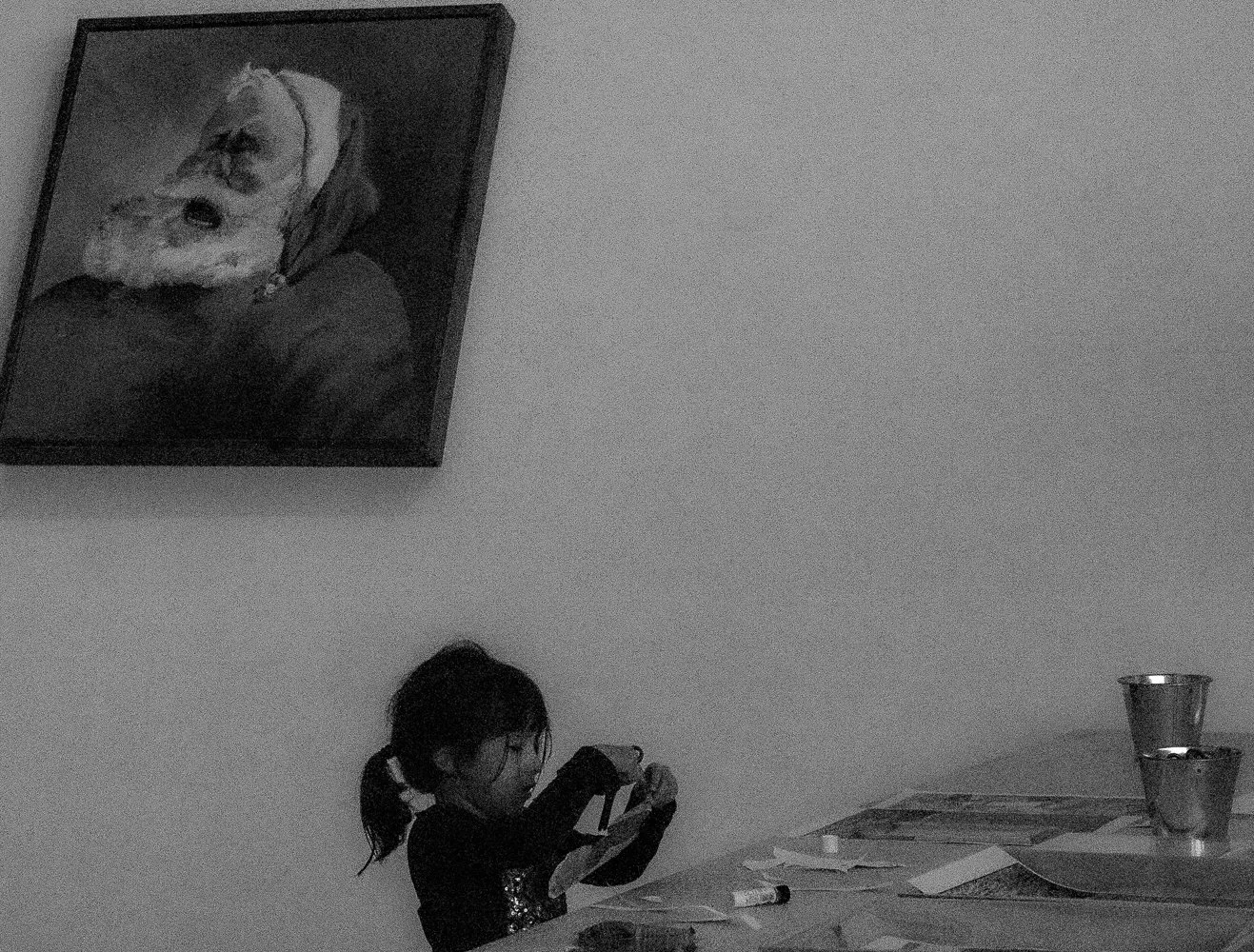
Artist at work under Gee’s painting of Father Christmas, titled Enough!, at Firstsite—all artwork by Gee Vaucher—photo courtesy of ©dickslaughter.com
There is a certain contradiction in creating an institution around an artist who has spent much of their life questioning institutions, authority, capitalism, consumerism, and the people who decide what culture is worth.
I asked Gee about that.
Dick: How do you create an institution devoted to anti-commercial art without eventually becoming another art institution?
Gee: “Who knows?”
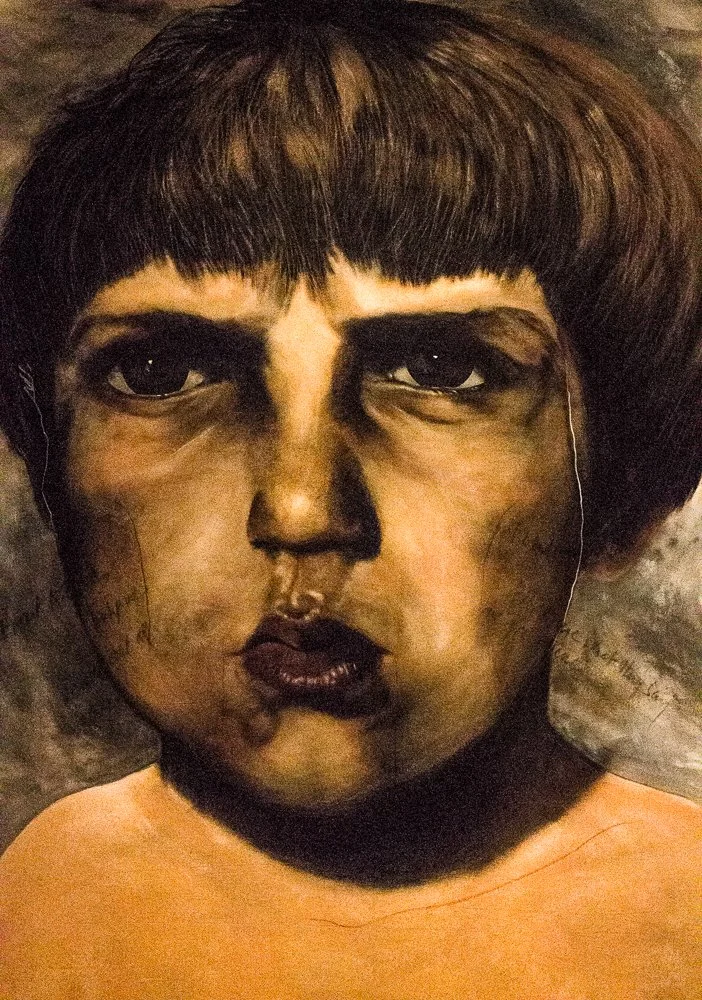
From the 2006 series Portraits of Children Who Have Seen Too Much Too Soon. Acrylic and oil pastel on canvas—all artwork by Gee Vaucher.
Maybe that’s enough.
Because after all my questions about art, money, capitalism, London, Banksy, vegetarian food, naked Penny, gardening, free accommodation, and whether I could sneak one of my photographs onto the wall, the best explanation for the entire project may have been the first answer Gee gave me.
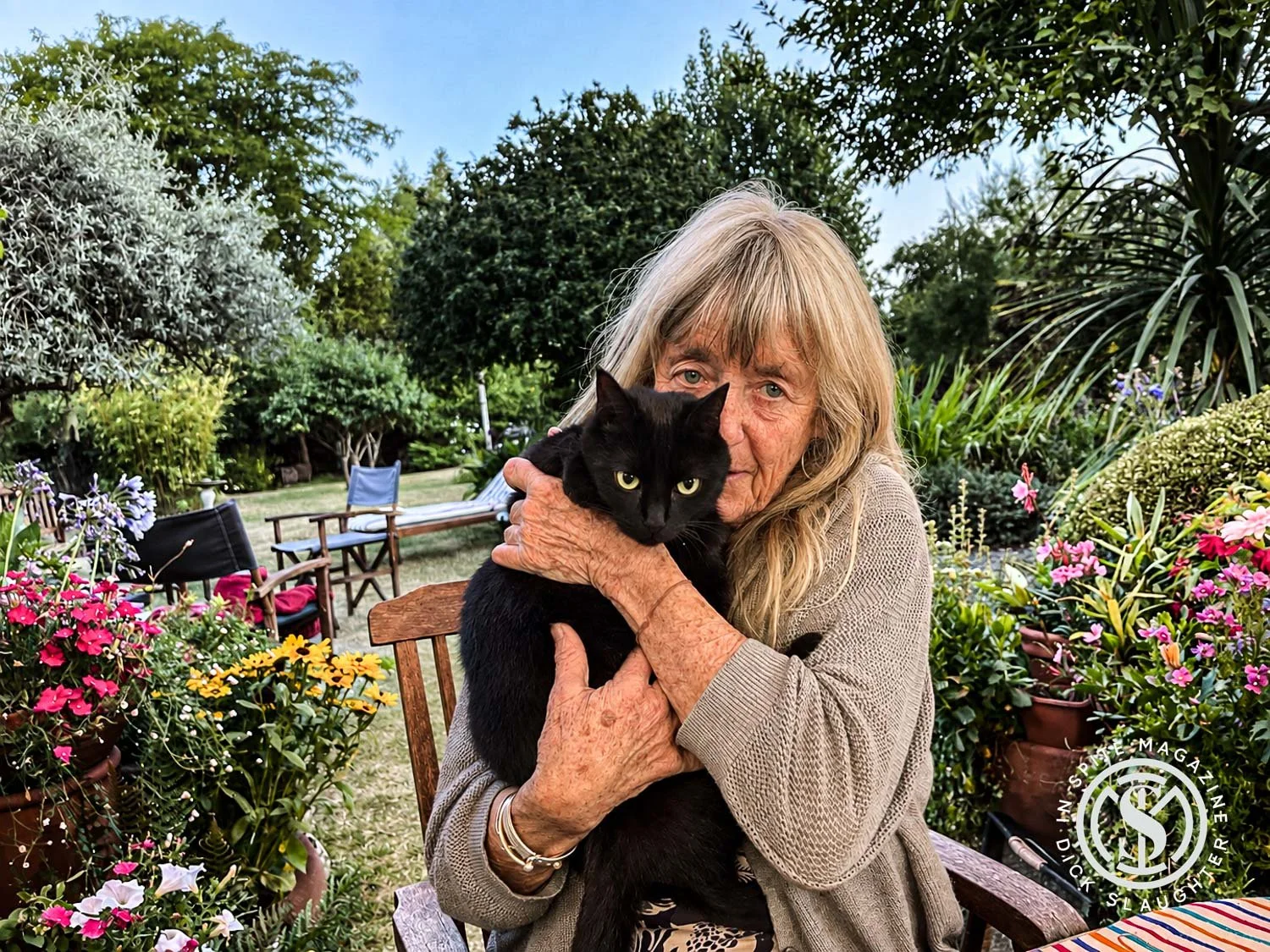
In Spite Magazine’s Cat of the Month, September 2026: Smudge and Smudge’s human, Gee, at home at Dial House—photo courtesy of ©dickslaughter.com
Why now?
“Why not?”

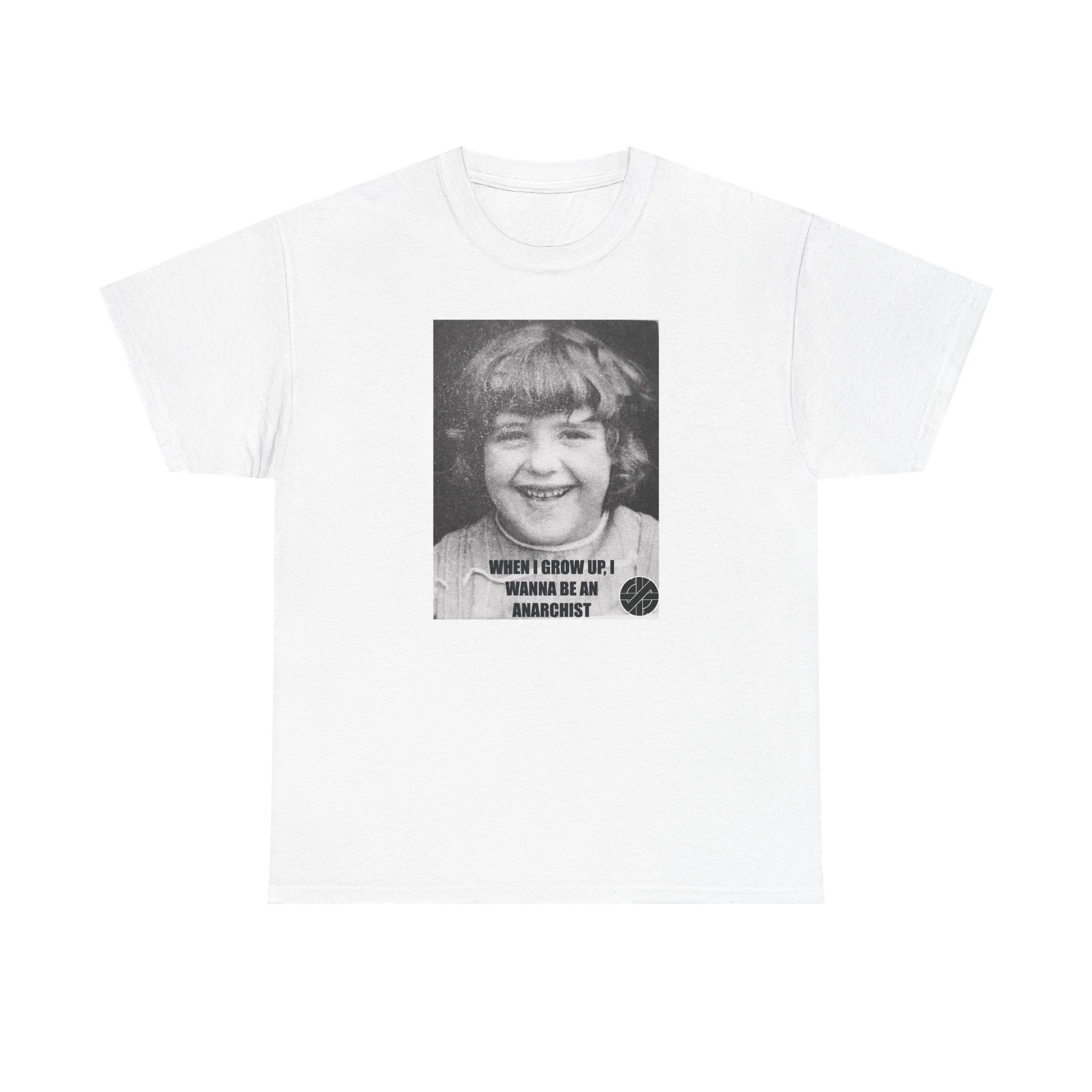
OWN THIS VERY LIMITED EDITION GEE-SHIRT.
The vintage black and white photo, MAYBE TAKEN BY GEE’S MUM, is grainy and blown out and will be the punkiest shirt you ever own.
ALL profits, after being burned by the print company, the postal service, and taxes, will be donated to The Gee Vaucher Foundation. About $11 a shirt
Support my sponsors, the scene, and the bands by buying records. Show this article at checkout on your phone and receive 10% off all used vinyl, tapes, and CDs at both of these sponsors