
IN LOSING CHAIN REACTION, WE LOSE A PIECE OF OURSELVES
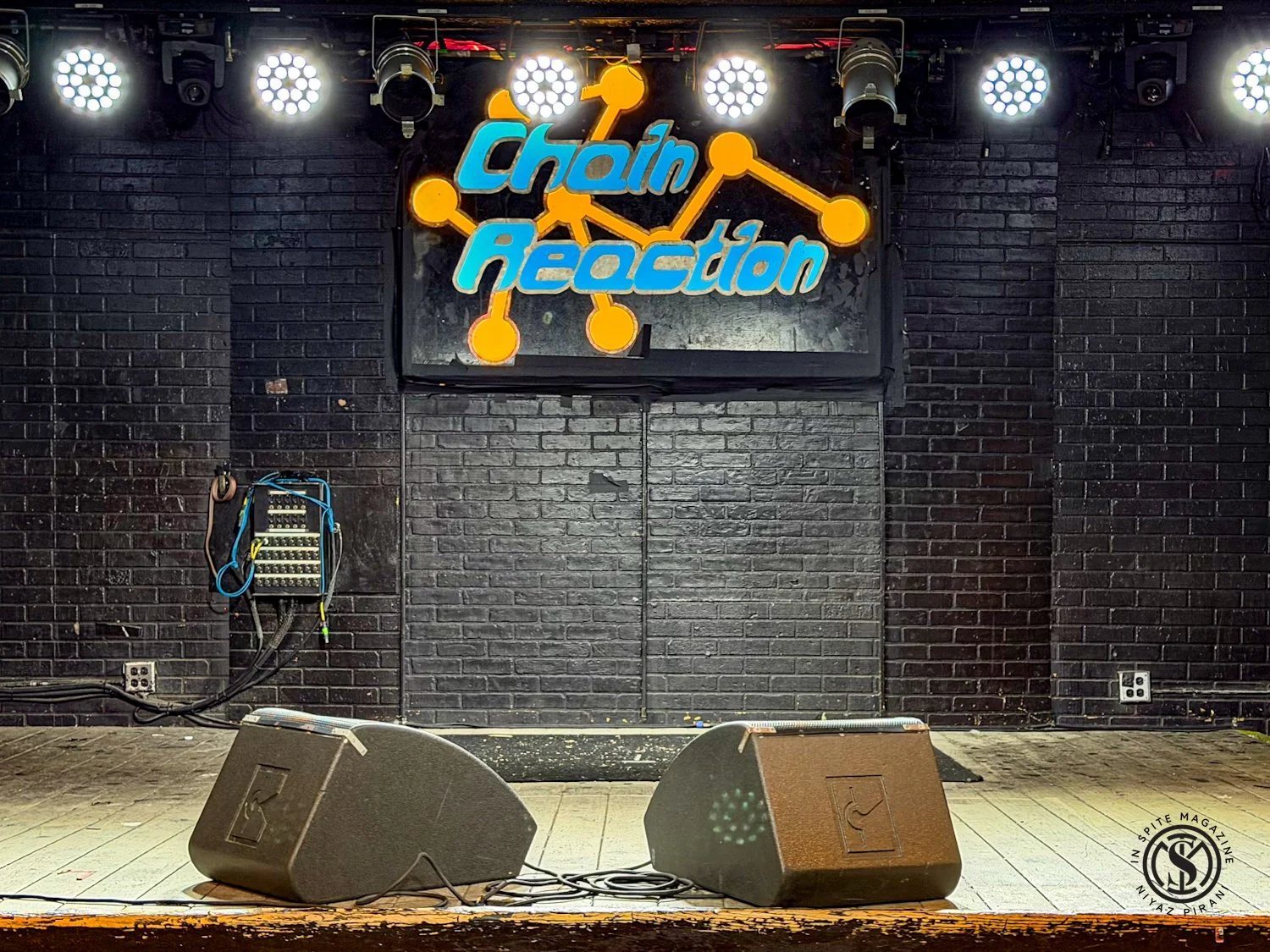
Photo courtesy of Niyaz Pirani
I’d waited so long for a call back that I forgot I left a message in the first place.
“Hello?”
The voice on the other end came through gruff, strained, and harsh—as if its owner had been eating shards of glass. I’ll never forget it.
“HELLO? … This is Hilly.”
“Ohhhh. SHIT!”
My mind screamed, silently and frantically. I instantly realized the “Hilly” on the other end was CBGB owner Hilly Kristal calling from New York. He was responding to the message I left on the club’s answering machine weeks earlier about a story I was writing that chronicled the slow death of his small music venue.
At the time, Kristal, as the founder of New York’s legendary country, bluegrass and blues club—which also became the birthplace of American punk rock—was engaged in a fight for his club’s life against his landlord who had raised the monthly rent and sued for $90,000 in back dues.
It was the summer of 2005, and fresh out of college my friends had started a magazine in the Inland Empire that documented culture, music, and more. I called Hilly to talk about his venue’s history.
“All of these people, I never imagined that they would care,” Kristal said at the time. “We may still be here, but we may not. With a little luck, we’ll be able to keep things going through the next couple months.”
He told me that if the club were to vacate, the plan was to extricate everything—walls, stage, the famous bathrooms—and put it all back together at Caesar’s Palace in Las Vegas. Kristal did fight on, in both his professional and personal lives, but he lost both fights. The landlord had CBGB vacate in October 2006. Kristal died less than a year later, in August 2007, and his vision in Vegas never materialized as he had laid it out.
The story, called “The Demise of the Small Venue,” also contained interviews with the frontmen of two emerging bands of the moment—Fall Out Boy’s Patrick Stump and Gym Class Heroes’ Travis McCoy, who spoke of the necessity for small music venues to curate the scene.
“The bigger you are, the farther you are from the kid in the back,” Stump said. “ … It’s a shame because any band needs to start somewhere and you can’t go from playing the garage to playing the House of Blues. There’s so many (smaller venues) nationwide and if they didn’t exist, we probably wouldn’t have different flows of music.”
Near the end of the article, I shouted out my favorite place to see shows:
“Some small venues, such as Chain Reaction in Anaheim, are able to pull big names consistently for low prices but also manage to showcase local talent hungry for a taste of the scene,” I wrote.
At the time, Chain Reaction was my CBGB.
It was the first place outside of my bedroom that felt like an extension of my own inner world—the famous collage of T-shirts wallpapering the venue matched the collage I had adorned my room with, cut from magazines including Alternative Press and SLAM. Where the artists I loved were within arms reach. Where the barrier between fan and band hardly existed. Where we saw our scene evolve, and eventually, explode.
Reading that back pains me.
Twenty-one years later, in January 2026, Chain Reaction closed its doors for good.
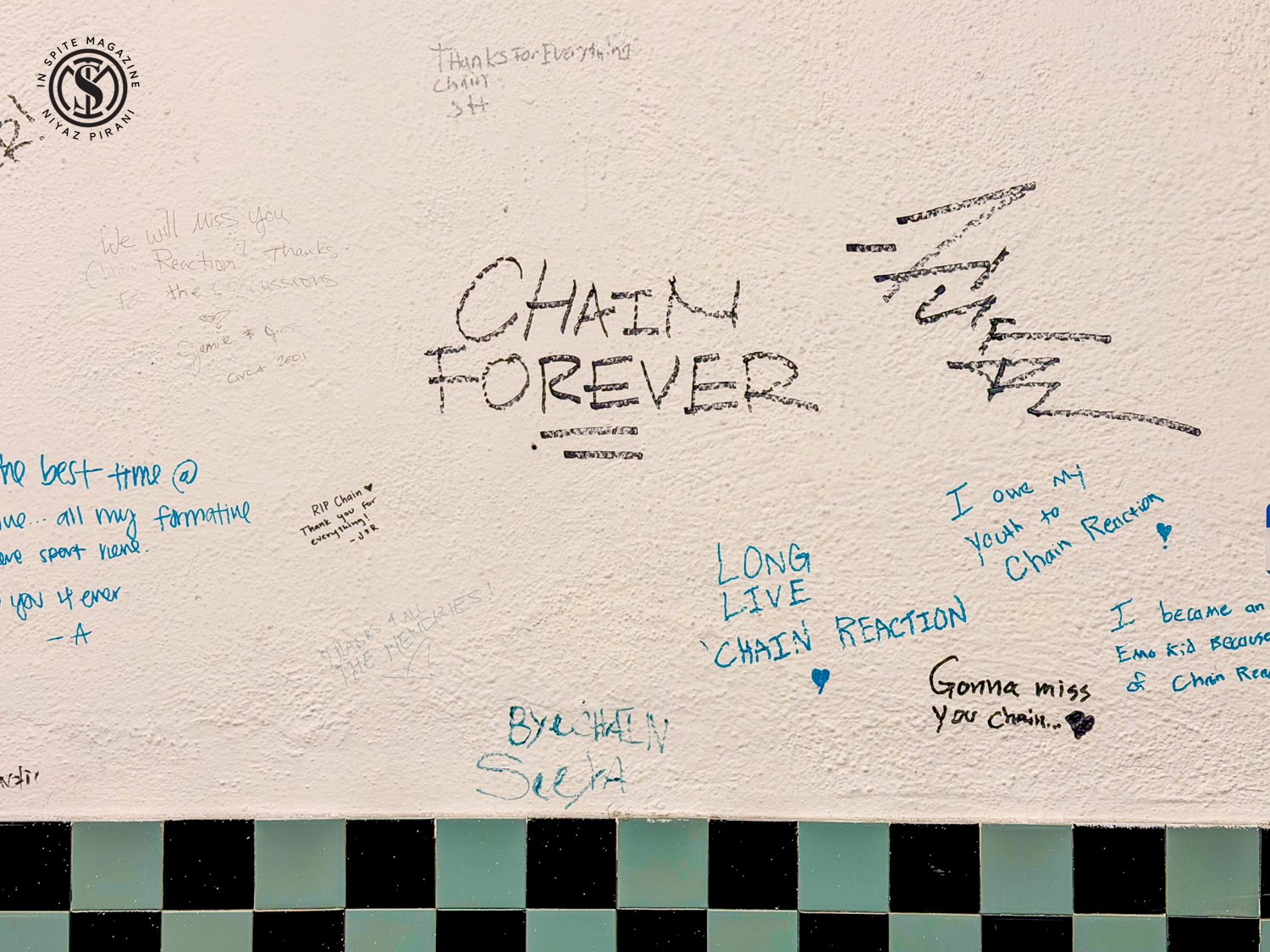
Memorial messages left by fans in January 2026
Formerly a biker dive bar in the 80s called “Time Out,” and then a Mexican restaurant that was shut down for selling drugs in the 90s—according to OC Weekly archives—Tim Hill opened his all ages rock club in an Anaheim strip mall off West Lincoln Avenue under the name Public Storage Coffee Lounge in 1996. Hill told the Los Angeles Times in an interview he owned a successful automotive electrical company which gave him the cash to get into live music.
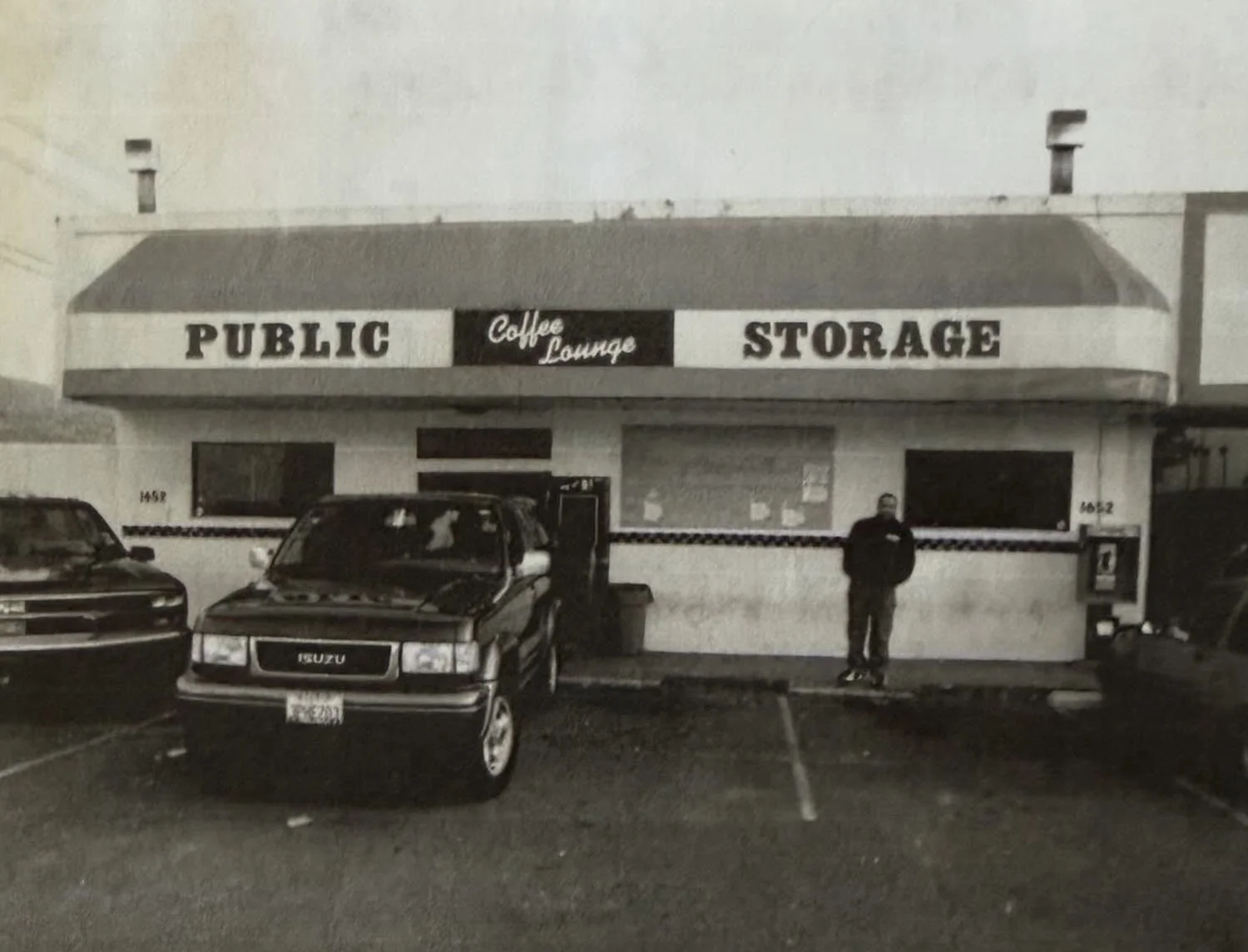
Chain Reaction in the Public Storage Coffee Lounge Days, mid-90s | Photo Courtesy of Chain Reaction
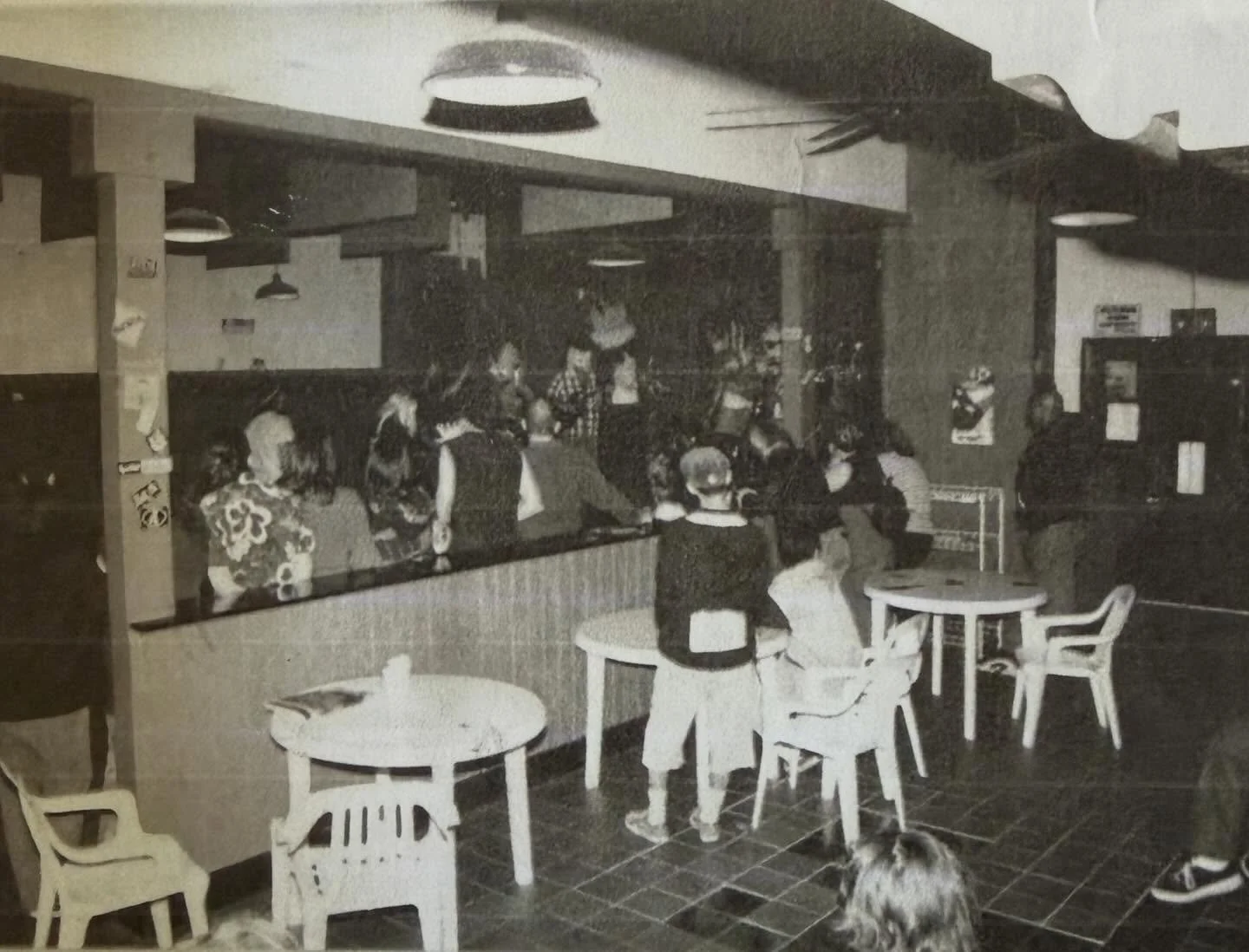
Photo Courtesy of Chain Reaction
The stage was almost at crowd level back then, with plastic tables and chairs placed on the other side of the wooden pony wall that separated the main floor from the other side of the room.
I arrived at Chain in the early 2000s, just in time for emo to go mainstream, driven by Vans Warped Tour and record labels including Fueled by Ramen, Drive-Thru, Vagrant, Equal Vision, and more. AllAges.com, the venue’s website URL, opened up a new world to me.
If you were there during this time, Jon Halperin would have been the person you saw most in the box office. In my memories, he is Chain Reaction. He started working there at 30 as the co-booker for the venue along with Ron Martinez of Long Beach hardcore punk band Final Conflict. The two filled show nights with indie, ska, emo, screamo, punk, and hardcore.
I always thought he was grumpy and unapproachable back in those days. As it turns out, he was working a day job, then going to Chain to work most nights. Friends, relationships, and even owning a pet, were difficult back then, he wrote in the Los Angeles Times, because of his demanding work.
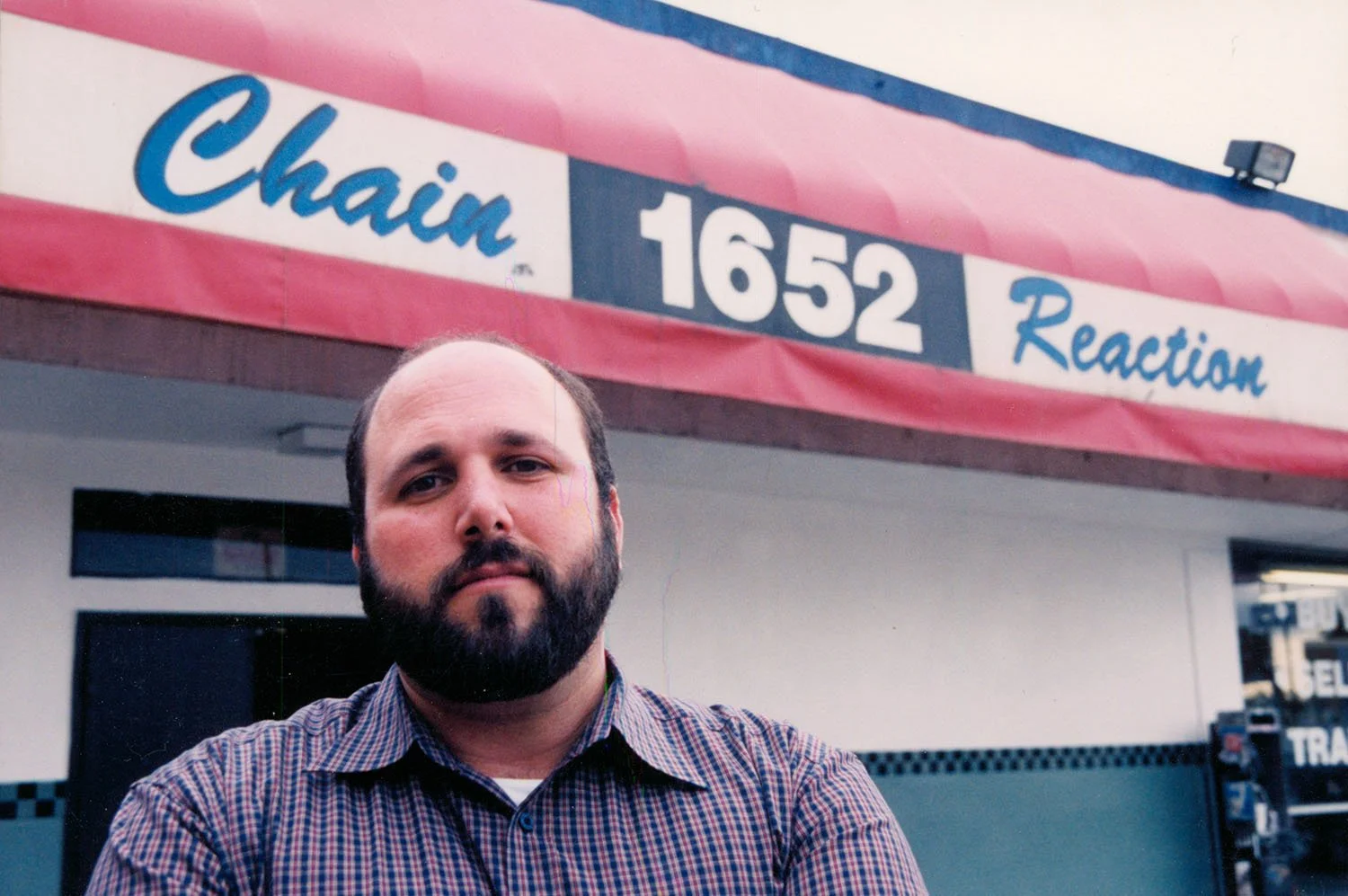
Jon Halperin at Chain Reaction in the early 2000s.
Photo Courtesy of Jon Halperin
Halperin said he and Martinez booked for teenagers and people in their early 20s, avoiding bands that were already playing larger venues in the area including the Galaxy Theater in Santa Ana. When he started in 2000, the House of Blues in Anaheim hadn’t been built yet. He said he grew the scene by referring kids to other shows based on their taste, telling them if they didn’t like the show he would return their money, “but that never happened.”
He left in 2006 and became a booker at Pomona’s legendary Glass House Concert Hall, where he still co-books. He also started a record label with his wife during the pandemic—Stay Free Recordings—featuring over 20 releases and 7” records.
Cover Courtesy of HarperCollins Publishing
Looking back at his time at Chain, Halperin said he “didn’t think (he) was necessarily building a scene,” but that “it was definitely a moment in time, and I don’t know how or why, but Chain just became the epicenter for it.”
He said it wasn’t unusual to see someone from a record company talking to a band in the parking lot after a show. As the scene grew, you’d see bands who played early on at Chain book Warped, Nintendo Fusion, and the Honda Civic tours, graduating to larger venues and arenas.
The biggest bands made it all the way through the gauntlet to the era’s largest tastemaker—a “World Premiere” music video slot on MTV’s “Total Request Live.”
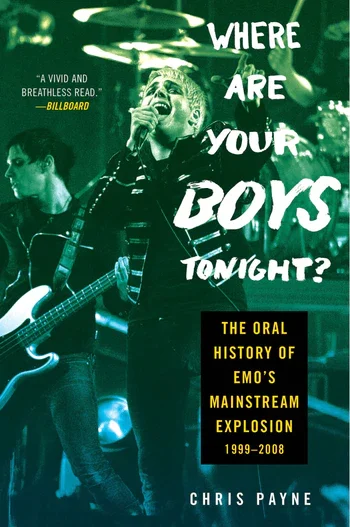
Author Chris Payne’s incredible oral history “Where Are Your Boys Tonight? Emo’s Mainstream Explosion” ping-pongs across the country chronologically detailing the scenes where the genre was born—in backyards and basements, high school gyms, VFW halls, and clubs—in places like New Jersey, Long Island, South Florida, and Chicago.
Chain Reaction is mentioned once, in a conversation with members of Thrice and Something Corporate: “We don’t have basements in L.A., so you don’t have the basement show scene,” Thrice singer Dustin Kensrue says.
While the book nods to Chain Reaction as a place of note in Southern California, it misses the opportunity to contextualize the venue in relation to the emerging scene it details so well.
By the time bands made it to the venue from the East Coast and Midwest, it was a signal that the scene had gone national. Once Chain Reaction could no longer fit the crowds of the bands they helped break, it was a confirmation of the venue’s trendsetting abilities.
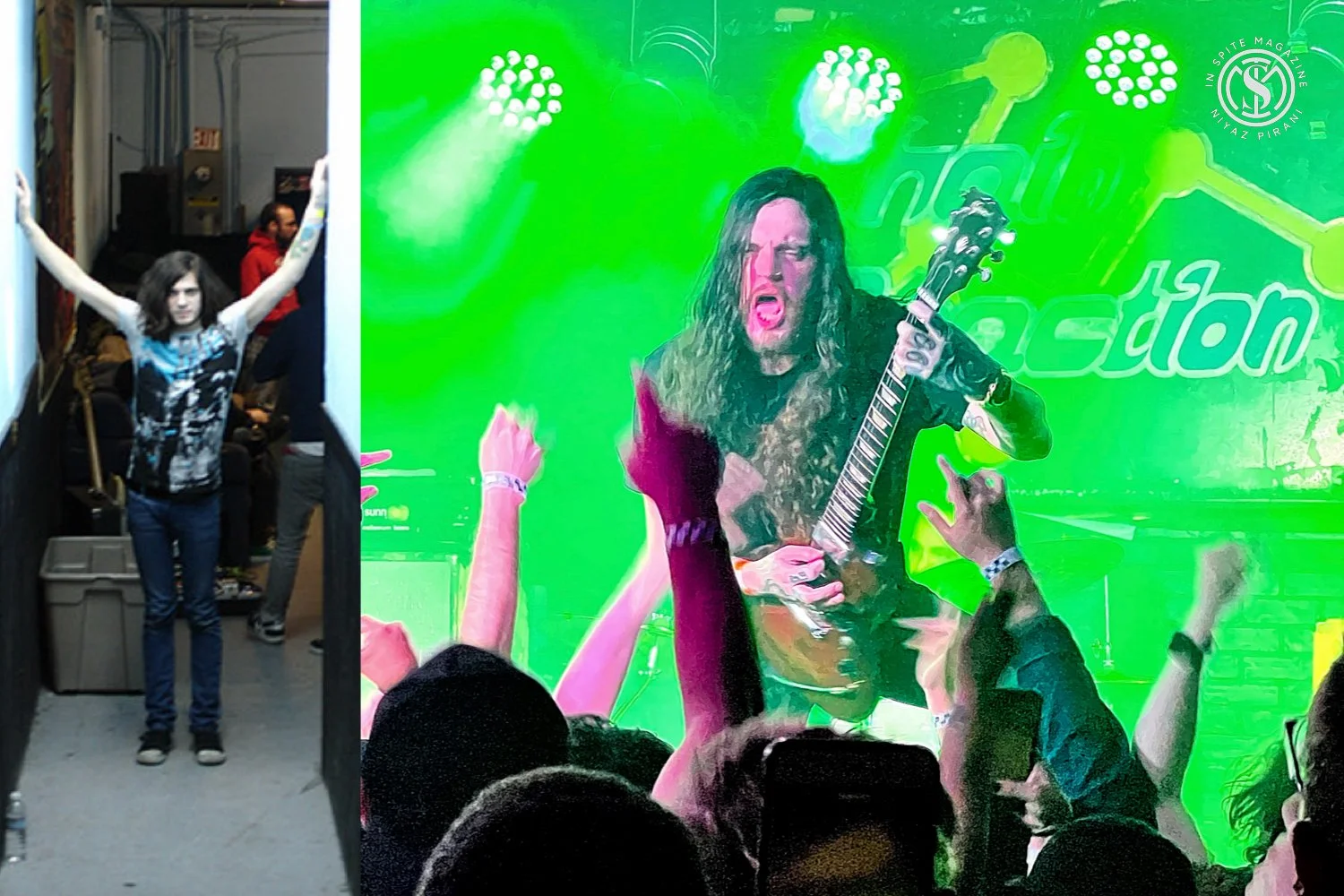
Thomas Erak of The Fall of Troy at Chain Reaction in 2006 and 2022.
Bands grew up at Chain Reaction.
And when they made it, they’d come back for a victory lap.
Knowing, with the passage of time, how the scene built up around these acts, here’s about 50 of the top names who played over the years:
AFI; Angels and Airwaves; At the Drive-In; Avenged Sevenfold; Balance and Composure; Bayside; Between the Buried and Me; Brand New; Chiodos; Circa Survive; Cobra Starship; Coheed & Cambria; Converge; Dashboard Confessional; Fall Out Boy; Finch; From First to Last; Gym Class Hereos; Hawthorne Heights; Head Automatica; Hot Mulligan; Jeffries Fan Club; Jimmy Eat World; Joyce Manor; Knocked Loose; Midtown; Modern Baseball; Motion City Soundtrack; Movements; My Chemical Romance; Neck Deep; New Found Glory; Norma Jean; Panic! at the Disco; Paramore; Reel Big Fish; Rise Against; RX Bandits; Saves the Day; Story of the Year; Sum 41; Suicide Silence; Taking Back Sunday; The Academy Is...; The All-American Rejects; The Devil Wears Prada; The Early November; The Fall of Troy; The Gaslight Anthem; The Get Up Kids; The Hush Sound; The Mars Volta; The Mighty Mighty Bosstones; The Movielife; Skrillex; The Starting Line; The Story So Far; The Used; Thursday; Title Fight; Turnstile; Winds of Plague; Yellowcard; and Zebrahead.
Chain wasn’t just a celebratory venue for touring bands. Just as importantly, it was an incubator of the local scene. Major headlining Orange County acts over the years included:
T.S.O.L.; The Offspring; Voodoo Glow Skulls; Ignite; The Aquabats; Save Ferris; Reel Big Fish; Eighteen Visions; Atreyu; Death by Stereo; Something Corporate; Thrice; Avenged Sevenfold; Bleeding Through; Hellogoodbye; Saosin; Stick to Your Guns; Jack's Mannequin; The Garden; and Andrew McMahon in the Wilderness.
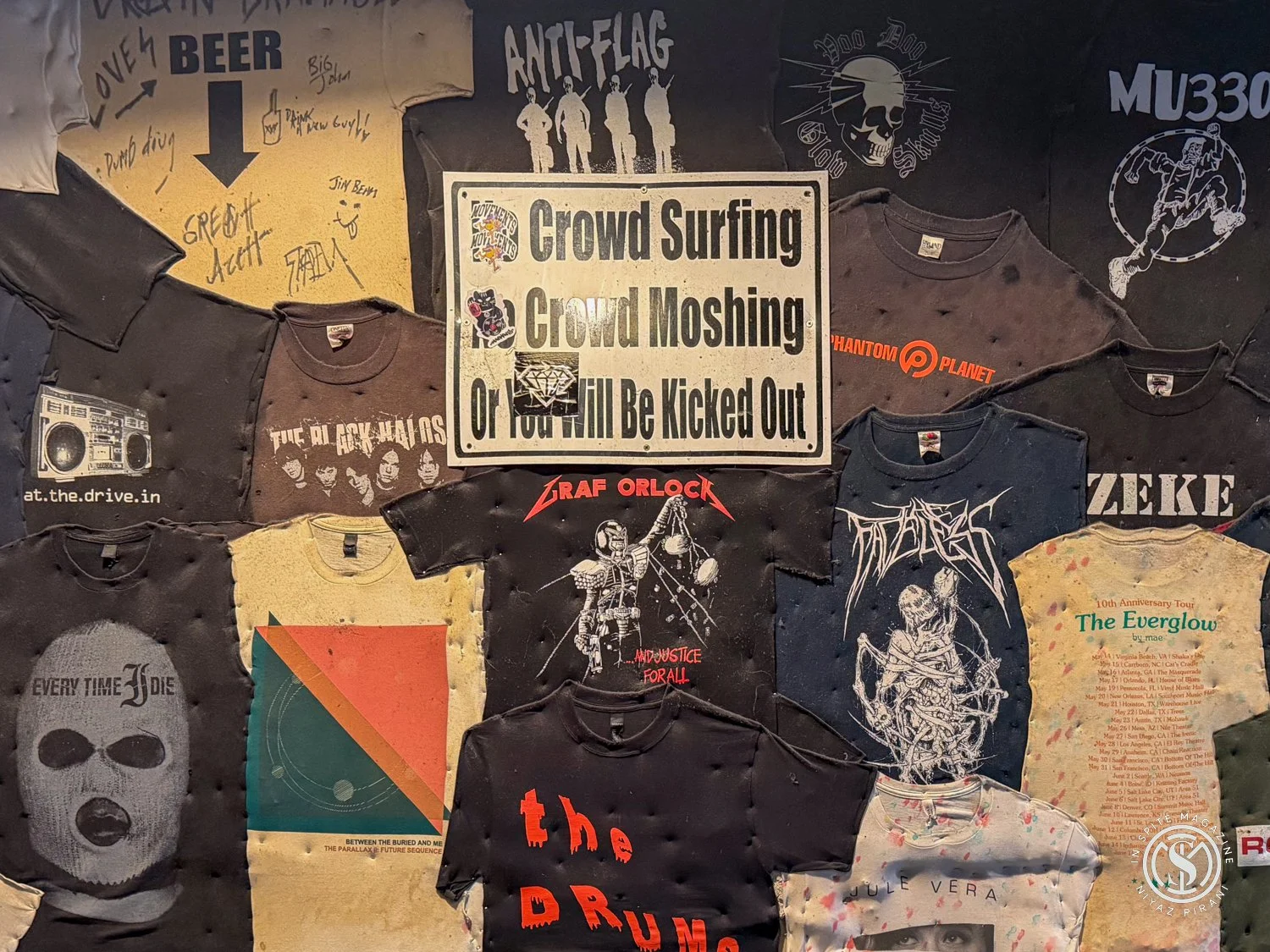
The famous T-shirt wall wrapped around most of the interior of Chain Reaction
Nate Jackson is the Deputy Entertainment Editor of the Los Angeles Times and the co-author of “Tearing Down the Orange Curtain,” a Rolling Stone “Best Music Book of 2025” that chronicles the punk scene in Orange County.
He grew up in Yorba Linda and Fullerton and started going to shows when he was 14 at coffee shops, including Java Joe’s in Yorba Linda, backyard parties, house shows, and venues like AAA Electra 99 Art Museum in Anaheim (owned by In Spite Editor in Chief Dick Slaughter) because they weren’t pay to play.
Jackson started hanging out at Chain Reaction when he was 16: “All I was looking for at the point when I started getting into music was to try and find something to escape the boredom.”
He said there was an energy to the room even then because not only local bands but also bigger ones, who typically eschewed Orange County for L.A. clubs or the Glass House in Pomona, made a point to play Chain Reaction, adding that so many bands who played some of their first shows there went on to be huge.
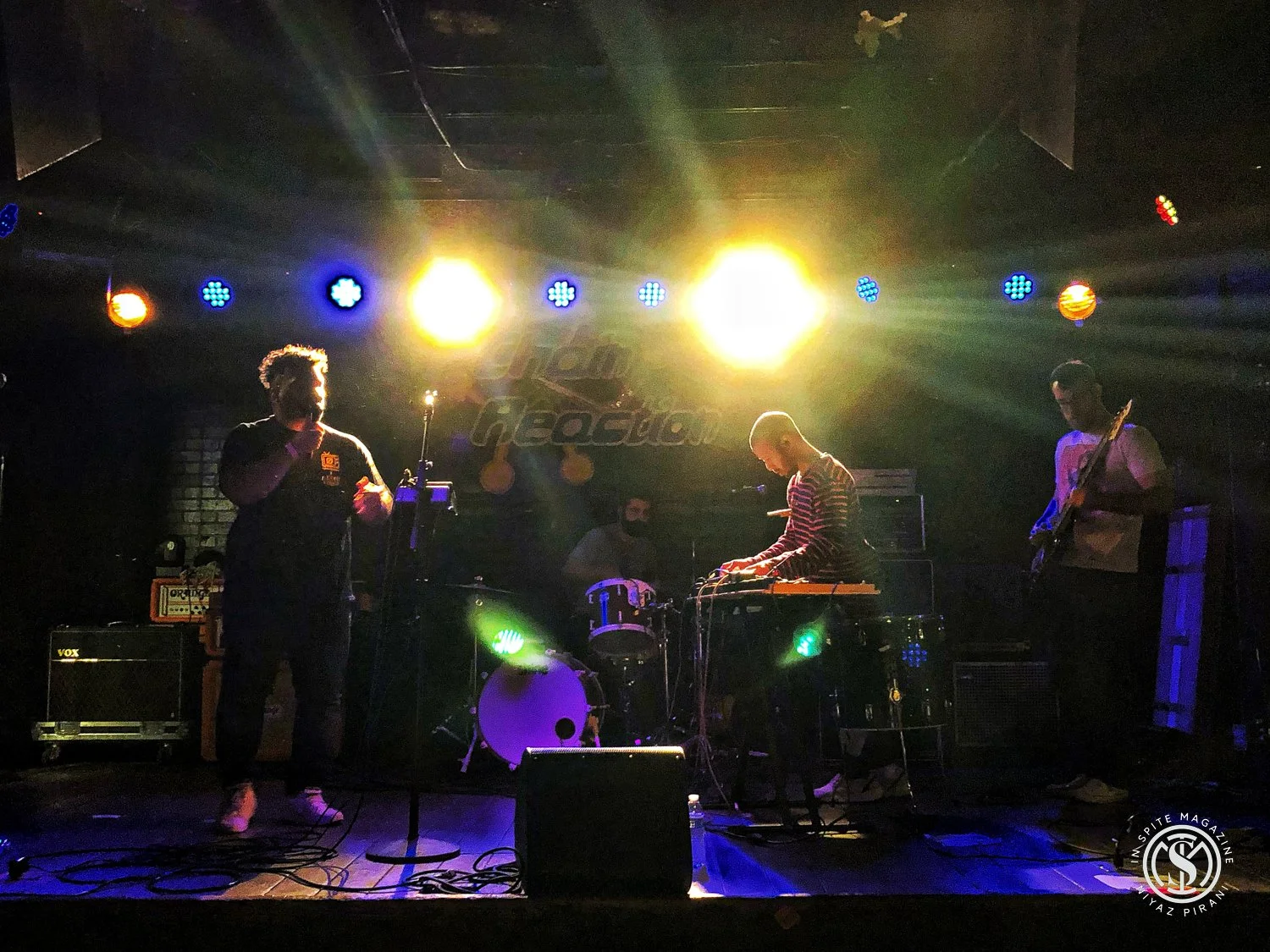
Nate Jackson, left, fronts his band Devil Season at Chain Reaction in 2019
Jackson played the venue twice—once with his high school band Sprague, and the second time in 2019 with his stoner soul outfit Devil Season.
“(Chain) still held that importance to me all those years later, and it still does,” he said. “It's sad that it closed. But one thing I'm pretty certain about is that the fans, the kids that made that scene run, are just gonna find somewhere else to do it.”
Andy Serrao—a former Chain security guard turned booker and eventual record label executive/co-producer of Las Vegas’ “When We Were Young” Festival—purchased the venue from Tim Hill in 2015. When the venue celebrated its 20th year in 2016, OC Weekly writer Mary Carreon proclaimed in her article:
“Go ahead and call Chain Reaction what it is: the CBGB of the West Coast.”
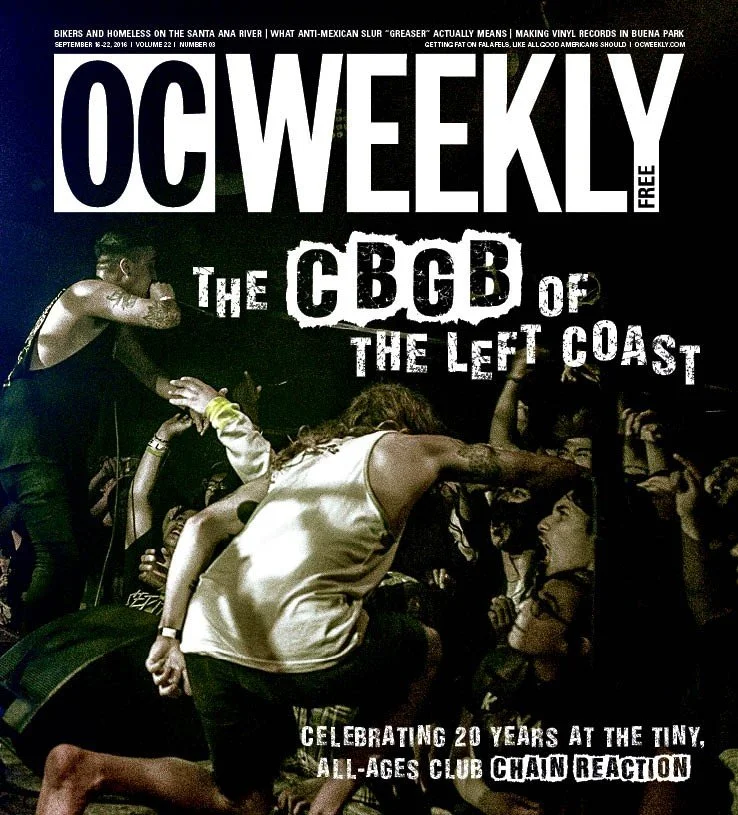
OC Weekly Vol. 22 No. 3
Serrao, then co-president of Fearless Records, entered a strategic partnership with Live Nation in 2019 to help secure shows and larger festival involvement. The COVID-19 pandemic arrived a year later, shuttering the venue for seven months and leaving a difficult climb back for several years once doors reopened.
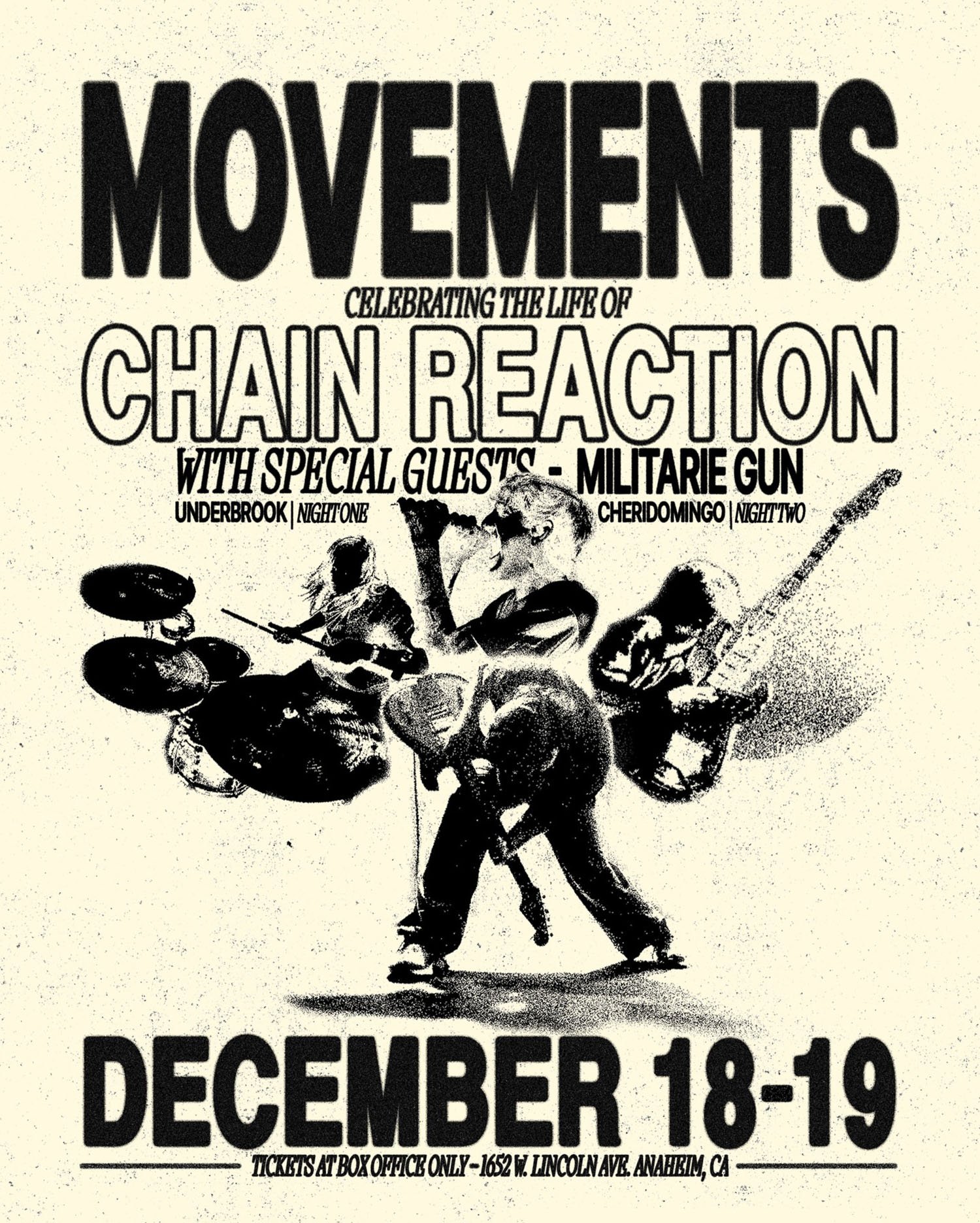
On Dec. 9, 2025, a message was posted to Instagram announcing the closure along with a flyer for two last shows: Dec. 18 and 19, featuring Movements and Militarie Gun.
“For almost 30 years, Chain Reaction has proudly fostered the alt-music scene by creating a space for a community that the outside world “just didn’t get.” From your local bands gaining their footing at their first shows, to the humble beginnings of huge acts you now love, we’re grateful to have held a place in this scene for as long as we did.
This call wasn’t made quickly. We wrestled with it and have ultimately made the decision to close our doors.
We want to thank every band, fan and attendee of our shows. We want to thank the scene that supported us for almost three decades. We want to thank you for the friendships and memories made in our special club. Thank you for supporting us through the years and when we needed it most.
CHAIN REACTION FOREVER.”
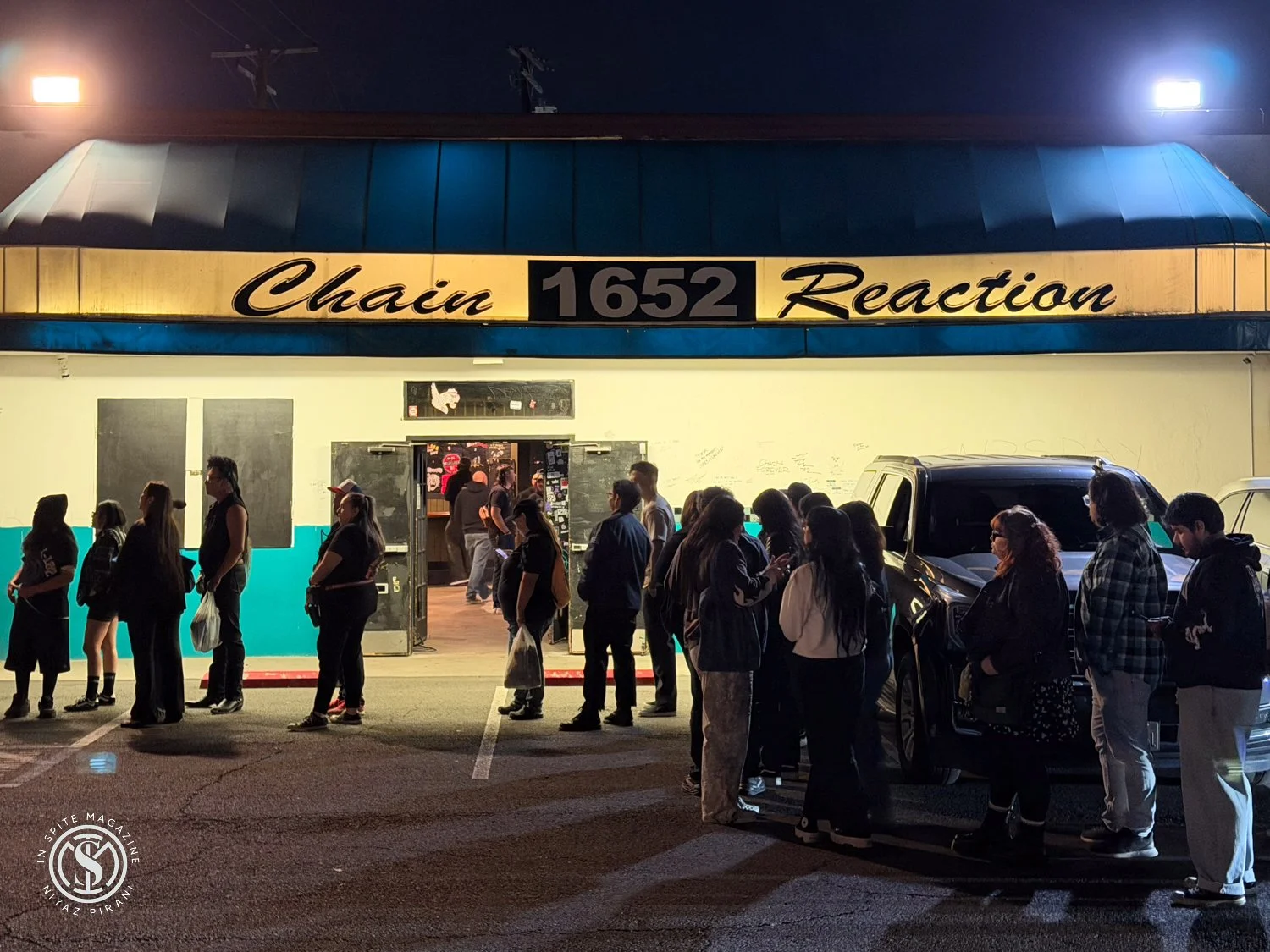
Photo courtesy of Niyaz Pirani
On the night of the second Movements show, I pulled a friend on a sidequest to the Chain Reaction parking lot to scope the scene. The lot was full, so I pulled up next to the wall across the lot, threw on my hazard lights, and ran toward the venue.
“You can’t park there,” the security guard yelled at me.
“My friend’s in the car. I’ll be right back. I need a picture,” I replied. “All my memories are in there.”
There was a merch booth out front, so I jumped in line, eager for a chance at a T-shirt.
The person in front of me started sharing memories, and then another hit me, too:
“My wife and I had our first date here at a mewithoutYou show in 2006! Damn.”
Peeking through the venue doors from the lot on what I thought would be the last night, I saw a moment play out in my head where, as the band played their last notes and the last bit of feedback squelched out of the guitars, fans rushed to all sides of the room, pulling T-shirts off the walls as souvenir timestamps from a place that would soon only live in our collective memory.
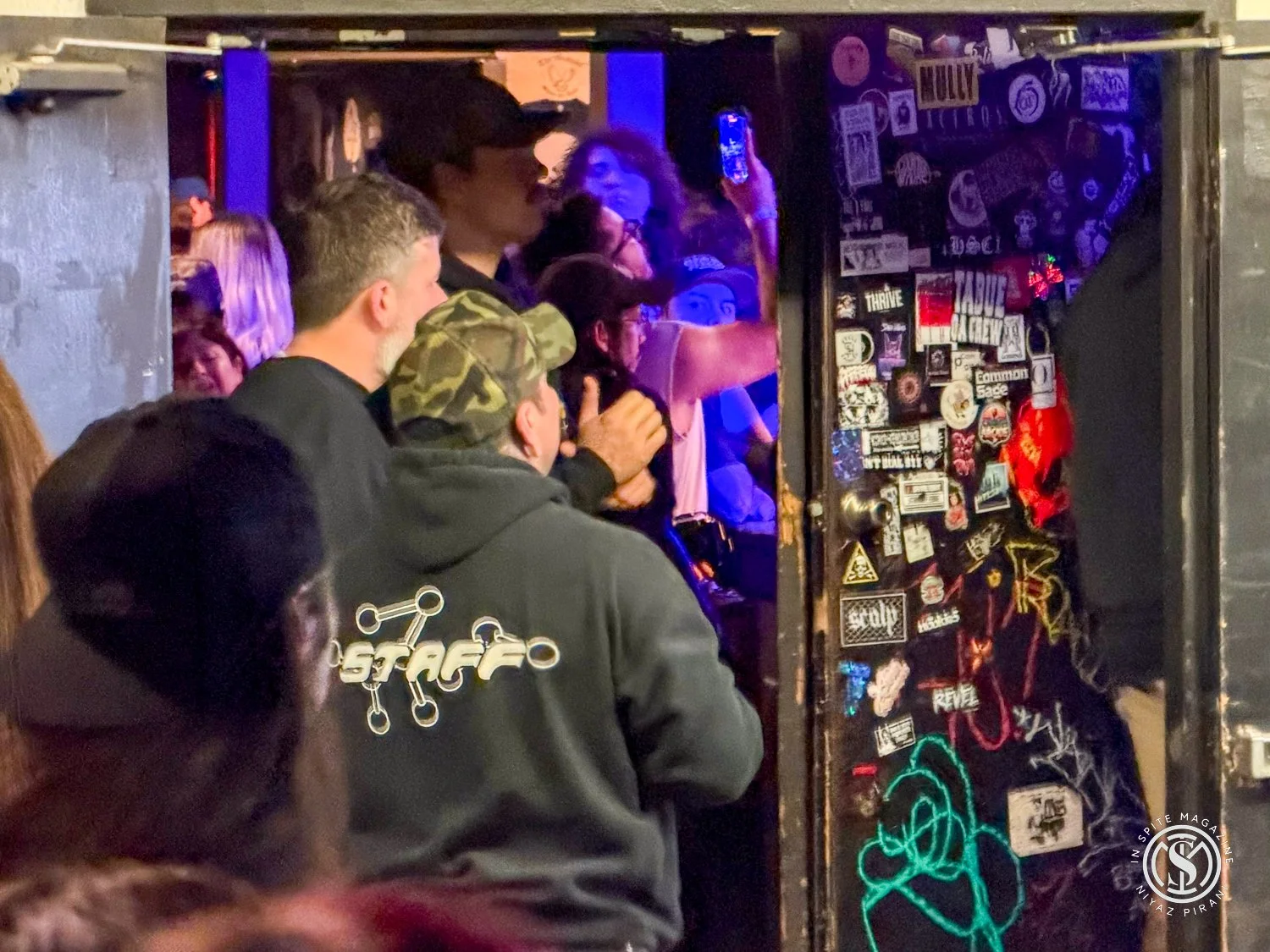
Photo courtesy of Niyaz Pirani
That didn’t happen. I checked online for video the next day just in case.
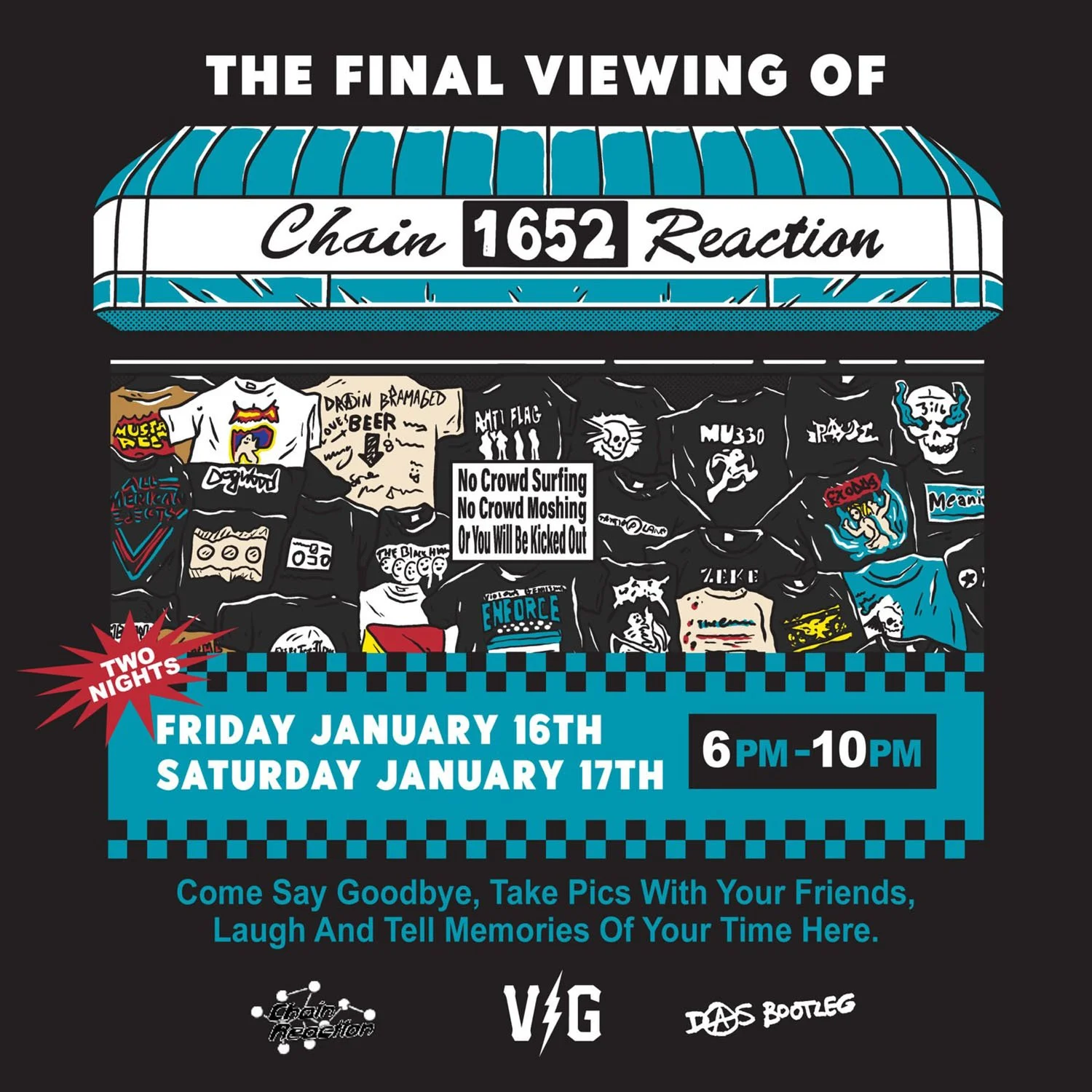
One last time.
Instead, Chain held two more events: a private concert for family and friends featuring Saves the Day frontman Chris Conley in late December and a mid-January public two-day “Final Viewing” where fans could take pictures and get merch one last time.
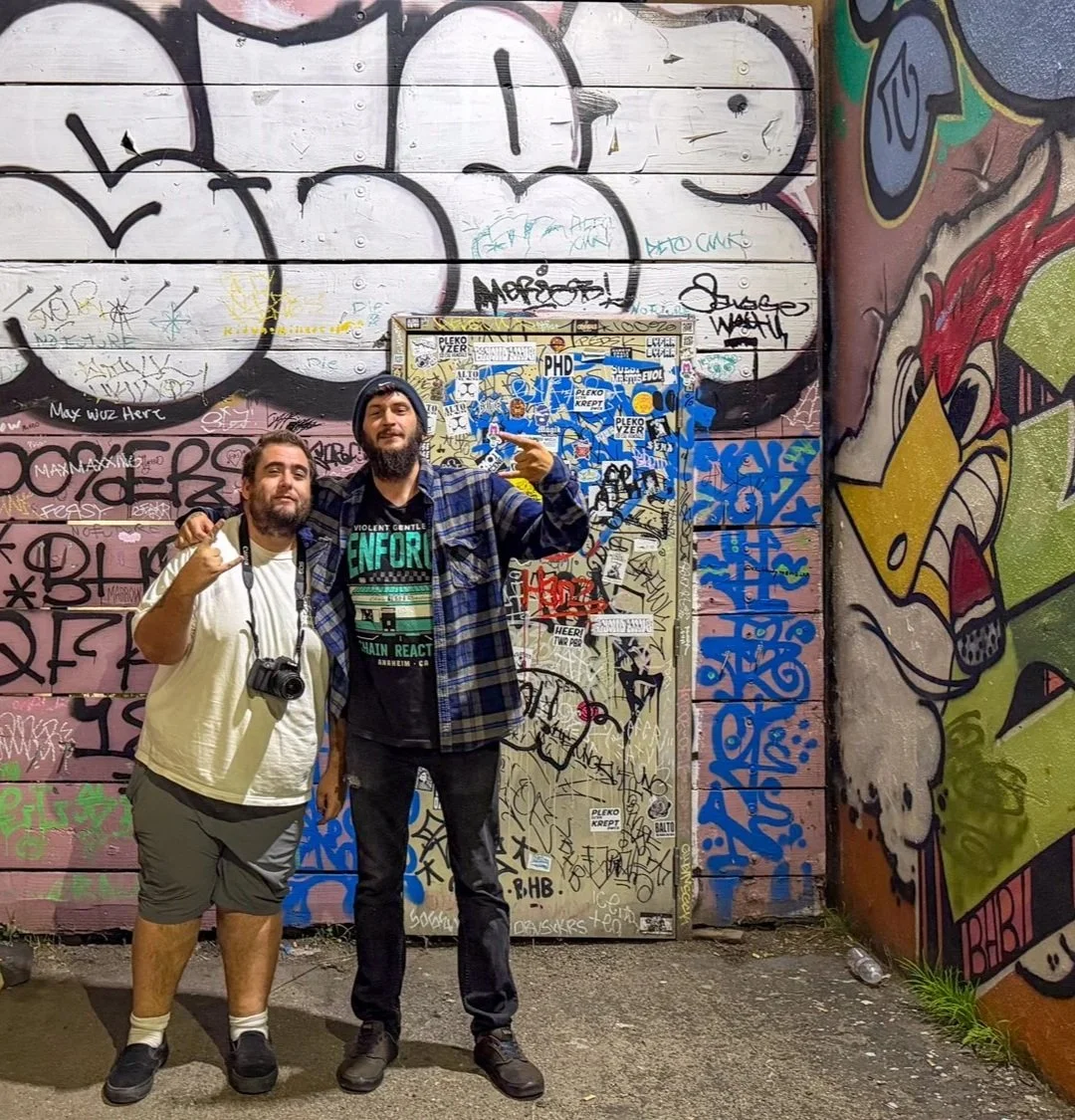
Sean Hollyman, left, and Jeffrey Clark, right, have been going to Chain Reaction in Anaheim since they were teenagers.
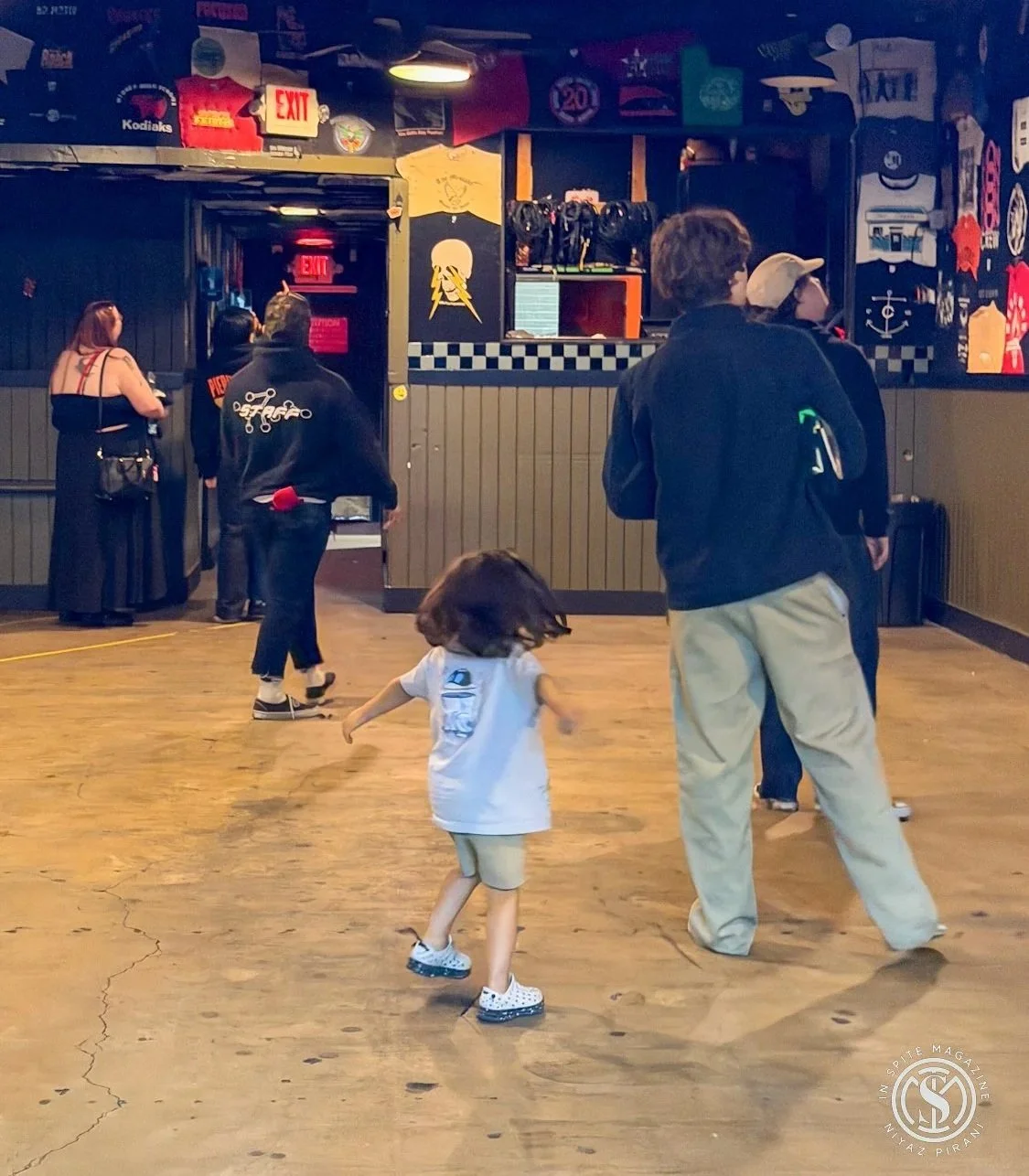
Niyaz’s son playing in the venue during the public viewing.
Jeffrey Clark of Long Beach and Sean Hollyman of Anaheim reminisced in the alley adjacent to the venue, remembering the old gum stuck to the walls, bike rides to the venue, and cramped hardcore shows in the very spot they were sharing at that moment. Inside, people posed against the T-shirt walls and climbed on stage to take a picture with the illuminated Chain Reaction logo made famous by countless YouTube videos. My three-year-old son ran circles around the venue. I imagined for a moment that, had the venue remained, we’d be going to a show here together in about another 10 years.
In losing Chain Reaction, we lose a piece of ourselves.
We went to the Glass House on the night of the last Movements show after our stop at Chain Reaction, where a DJ played the oldies to a crowd ranging from teens to 40-somethings. Nights like these prove these spaces are still needed, even just for people to stand on a stage together and belt these songs out in a communal spirit—or more importantly, plug in and play.
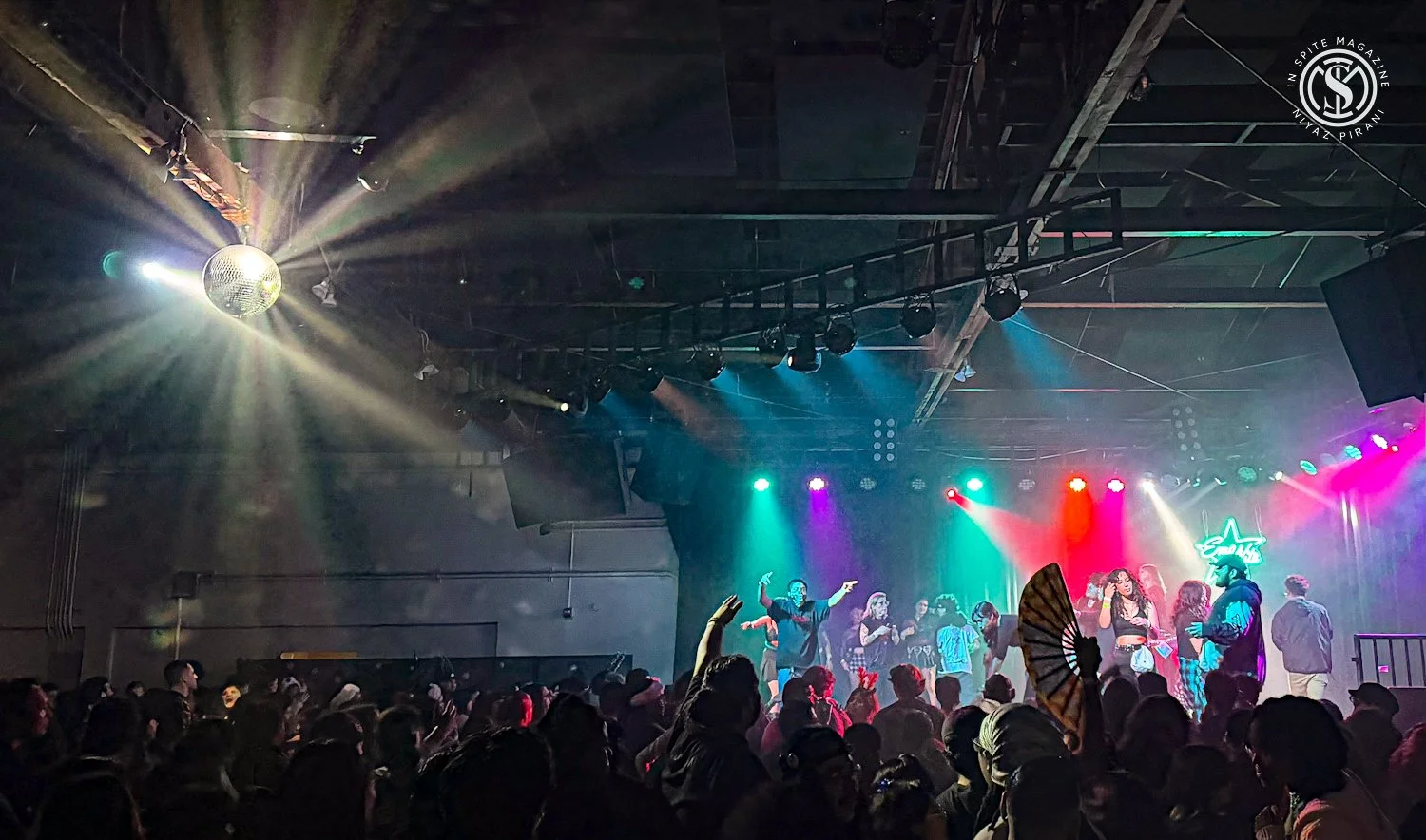
The Glass House during Emo Night on the same weekend Chain Reaction hosted it’s final shows
“What’s missing right now for live music is that feeder system,” Jackson said. “The ecosystem of being able to start out as a young band and build your rep, build your audience, and have places that facilitate that.”
Looking for what’s next, we asked Halperin to tastemake once again. He cited Gilmore Music Store in Long Beach, Programme Skate & Sound in Fullerton, and The Haven in Pomona, down the street from the Glass House, as “smaller rooms that are booking bands that I’ve never heard of, that I will hear of in a couple years when they’re larger.” (Editor's note: Check out Backyard Party in Pasadena, as well!)
“I think there’s always going to be small venues,” Halperin said. “It’s just that you and I are going to age out of knowing where those venues are and knowing what’s going on.”
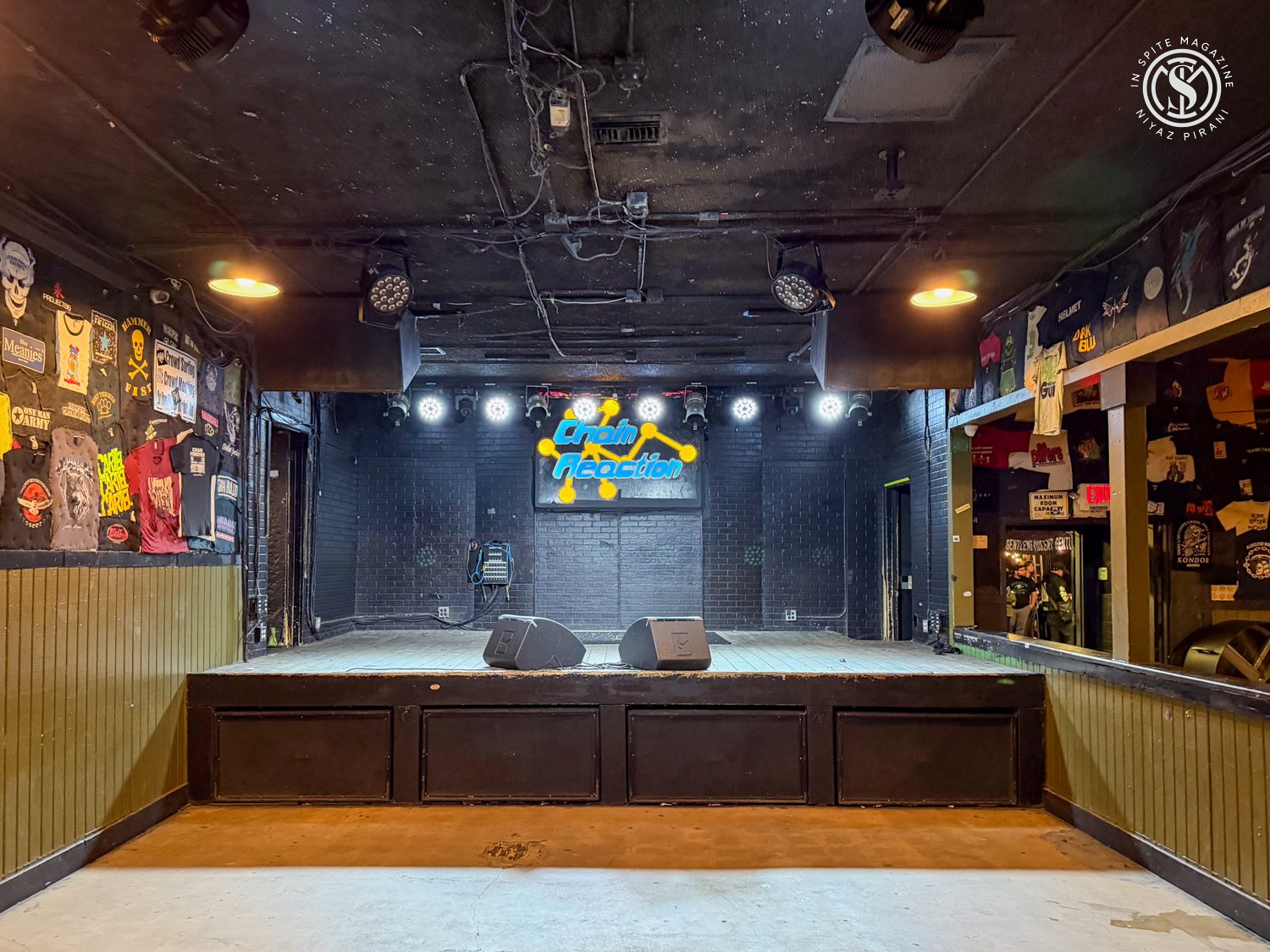
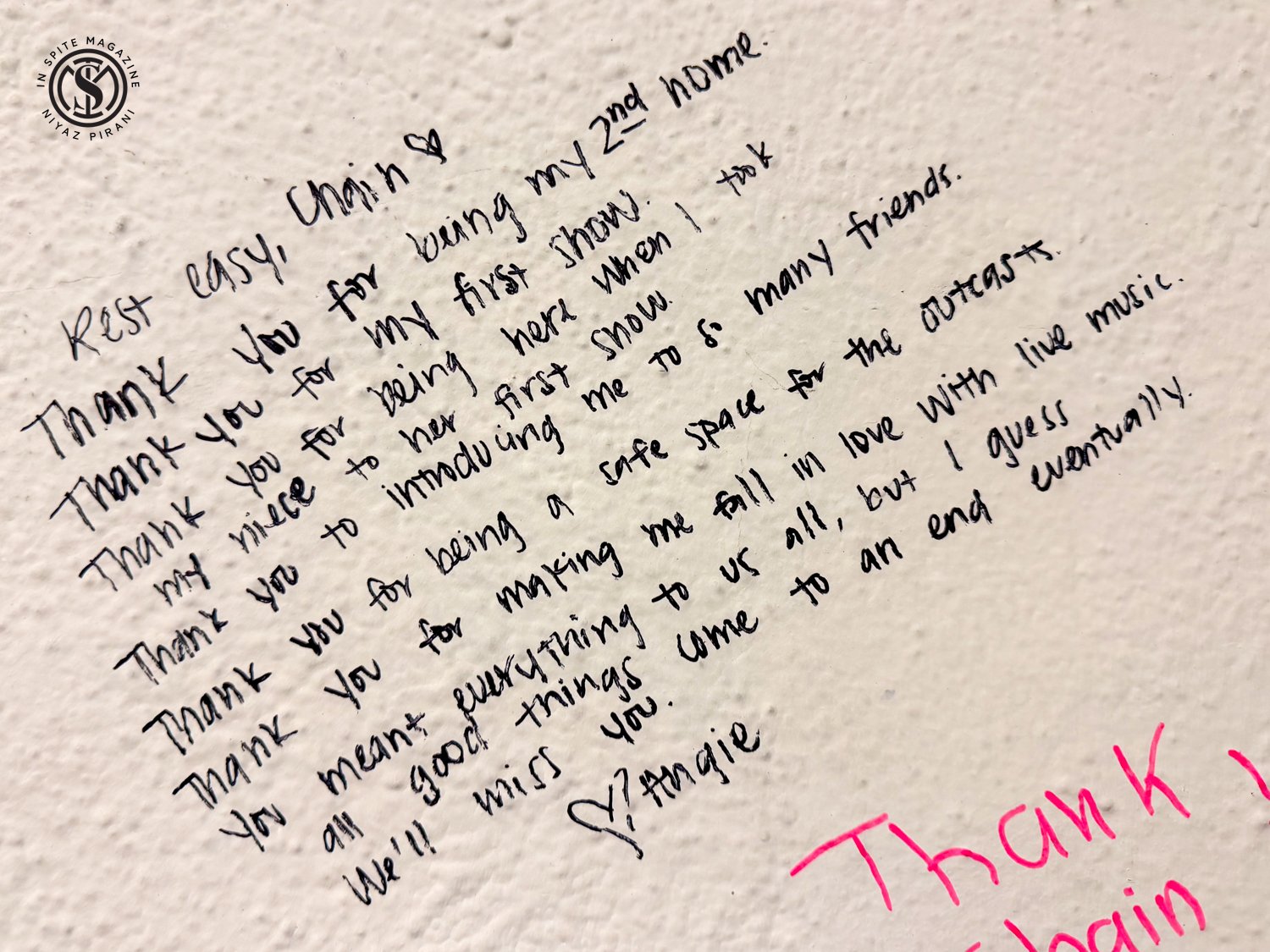
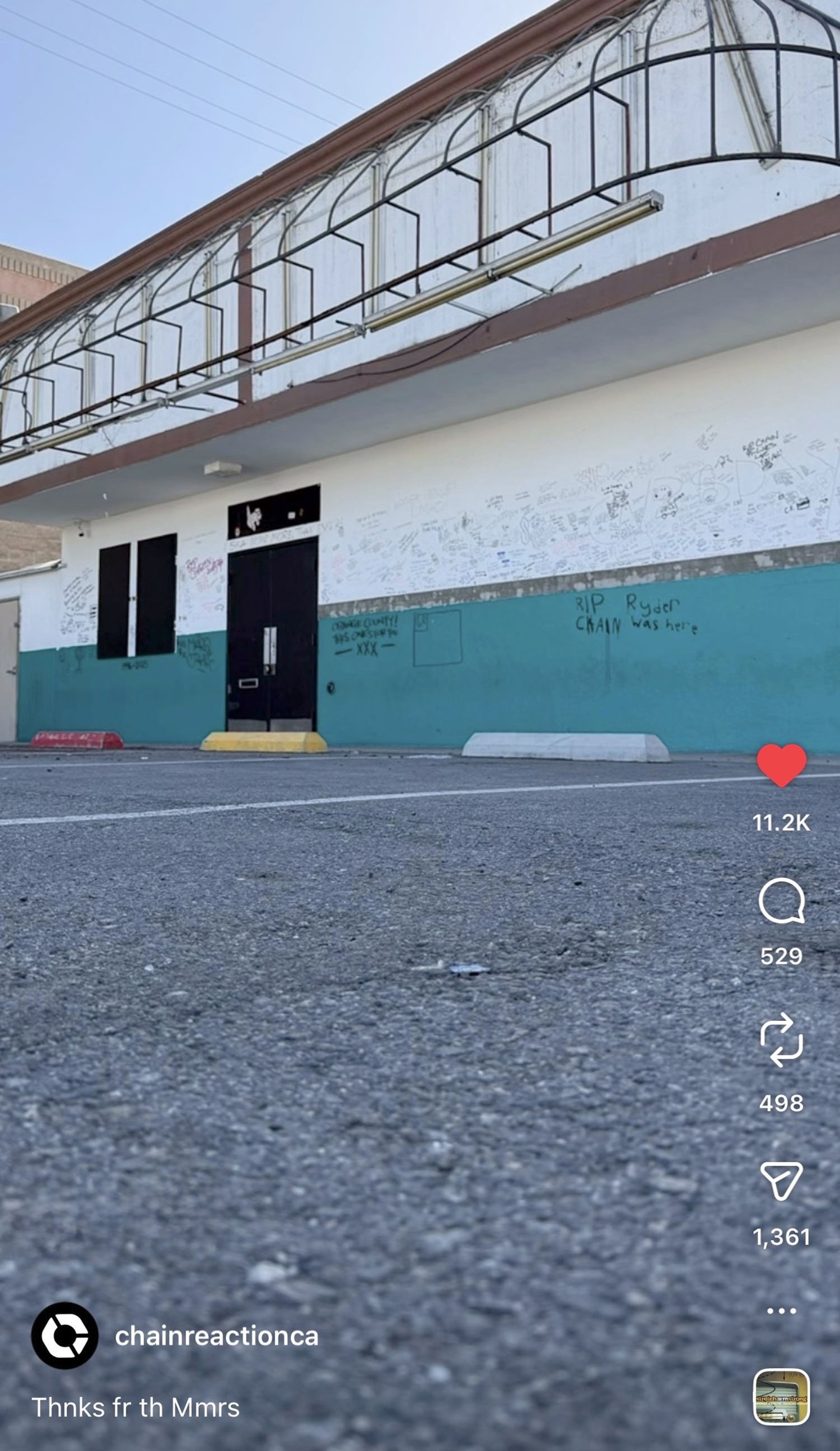
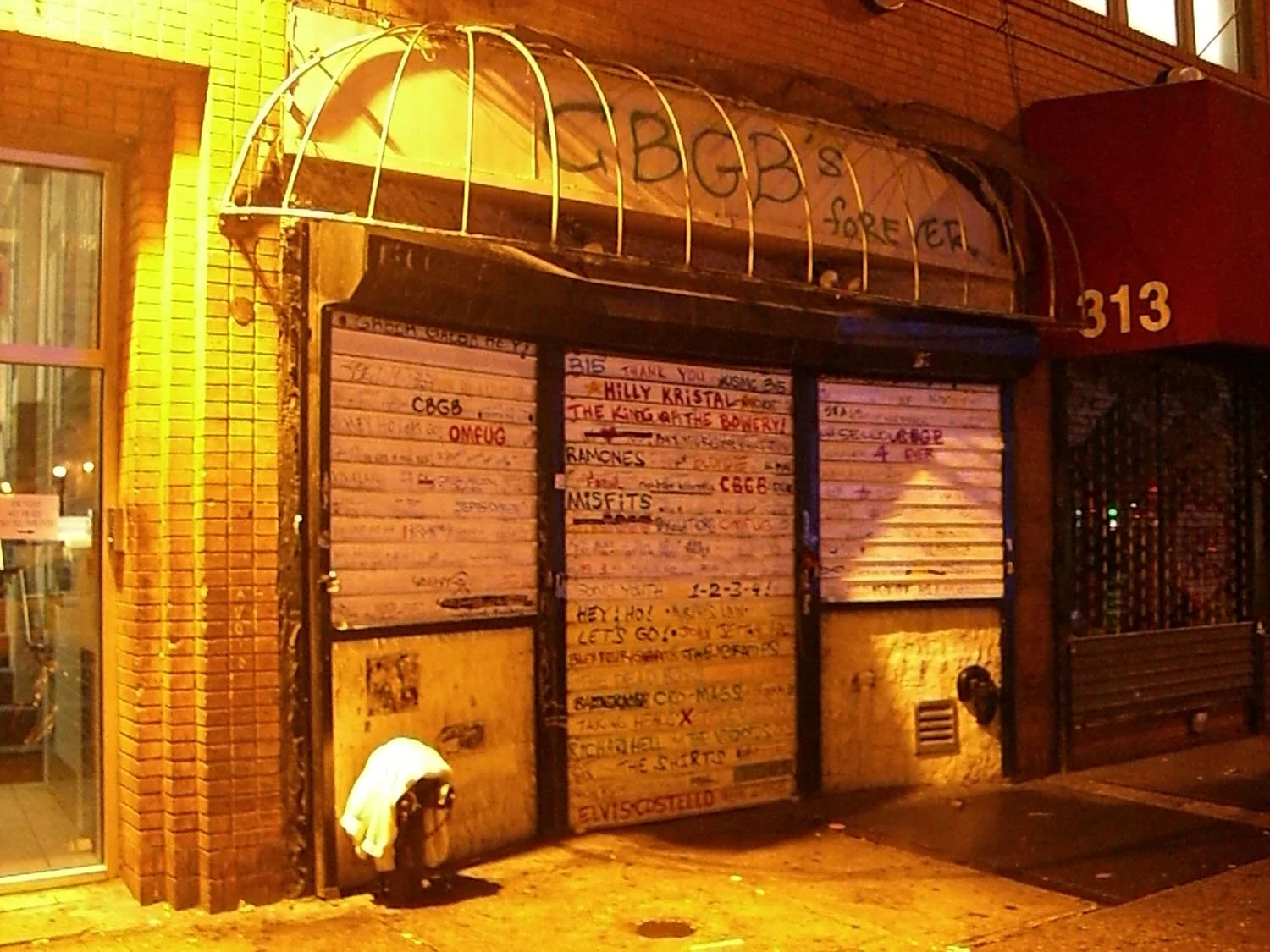
Photo Courtesy of Wikimedia Commons

Niyaz Pirani writes a weekly article on his Substack “universal frEQuencies.”
If you enjoyed this piece, please visit his page and subscribe to his work!
